A teenager smiles in a family photo but keeps their lips closed. Not because of crooked teeth, but because their bite feels off. Maybe the upper teeth sit too far forward. Maybe chewing feels uneven. Years ago, the answer often meant metal braces and frequent adjustments. Today, many people wonder if clear aligners can handle the same challenges.
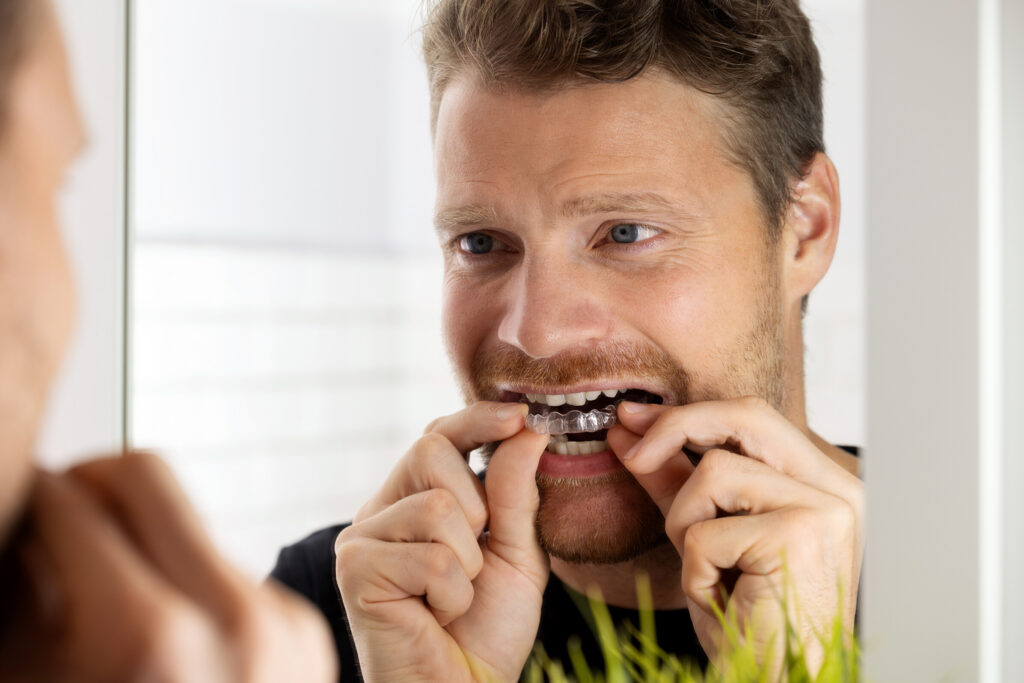
The short answer is that aligners have come a long way. Advances in digital planning, 3D imaging, and customized treatment have expanded what they can achieve. Still, not every bite problem is the same, and some cases remain more difficult than others.
Key Takeaways
- Clear aligners can now treat many moderate and complex bite issues.
- Modern treatment planning allows for highly precise tooth movements.
- Some severe bite problems may still require braces or combined treatments.
- Success depends on the type of bite issue, patient compliance, and clinical expertise.
- A personalized evaluation is the best way to determine whether aligners are suitable.
Complex Bite Problems Are Not All Alike
The phrase "complex bite problem" covers a wide range of conditions. One person may have a deep bite, where the upper front teeth overlap the lower teeth too much. Another may struggle with an overbite, underbite, crossbite, or open bite.
Each condition affects how the teeth meet when the mouth closes. Some can create uneven wear, jaw discomfort, speech changes, or chewing difficulties.
During a consultation, an experienced orthodontist in Lehigh Acres, FL might evaluate far more than tooth alignment alone. Jaw relationships, facial structure, and bite function all play a role in deciding the right treatment path.
Why Aligners Are More Capable Than Before
Older aligner systems were often limited to mild crowding and spacing concerns. Today's technology is different.
Advanced software creates a detailed digital map of tooth movement before treatment even begins. Small attachments placed on selected teeth help aligners apply targeted pressure. This allows movements that were once difficult to achieve with removable trays.
Many patients are surprised to learn that aligners can now address:
- Deep bites
- Certain overbites
- Mild to moderate underbites
- Crossbites
- Open bites
- Crowding combined with bite irregularities
The ability to plan treatment step by step has improved predictability in many cases.
The Real Key: Controlled Tooth Movement
Think of aligners as a series of tiny instructions. Each set of trays guides teeth toward a specific position.
Complex cases often require movements such as:
- Rotating teeth
- Intruding teeth slightly into the gums
- Extruding teeth into better contact
- Moving teeth forward or backward
- Coordinating upper and lower arches
These adjustments may sound small, but together they can create meaningful bite improvements.
Success often depends on how accurately those movements are planned and monitored throughout treatment.
Where Aligners May Have Limits
Despite significant advancements, clear aligners are not a universal solution. Some severe skeletal problems involve jaw positioning rather than tooth positioning. In those situations, aligners alone may not fully correct the underlying issue.
Examples include:
- Significant jaw discrepancies
- Severe underbites
- Major facial asymmetries
- Cases requiring jaw surgery
For certain patients, braces may still provide greater control over complex tooth movements. Others may benefit from a combination approach that includes aligners, braces, temporary anchorage devices, or surgical treatment.
This is why a professional assessment remains essential before choosing a treatment option.
Patient Habits Matter More Than Many People Realize
Even the most advanced aligner system cannot work properly if it spends most of the day sitting in its case. Unlike braces, aligners are removable. That convenience comes with responsibility.
Patients generally need to wear them for the recommended number of hours each day. Missing wear time can slow progress and reduce the effectiveness of treatment.
A treatment plan may be carefully designed and even recommended by an orthodontist, but consistent use remains one of the biggest factors influencing results.
What the Future Looks Like
Clear aligners continue to evolve. Artificial intelligence, improved materials, and enhanced digital scanning are helping providers treat increasingly challenging cases.
As technology advances, the line between cases suitable for braces and cases suitable for aligners continues to shift. Conditions that once required traditional braces may now have aligner-based solutions.
That does not mean every complex bite problem can be solved with clear trays alone. It does mean patients have more options than ever before.
Final Thoughts
Clear aligners can successfully treat many complex bite problems today, including deep bites, crossbites, and certain overbites. Their capabilities have expanded significantly thanks to digital treatment planning and more precise tooth movement techniques.
The best results come from matching the treatment method to the specific bite issue. While some severe cases still require braces or additional procedures, many patients who once had limited choices can now achieve meaningful improvements with clear aligners. A thorough evaluation remains the first step toward finding the most effective path to a healthier, more balanced smile.

Comments