One of the most common things I hear from patients at their first consultation is some version of, "My lower jaw looks like it is too far back." They might describe a weak chin, an overbite they have always been self-conscious about, or difficulty chewing. More often than not, what they are describing is a Class II malocclusion. It is one of the most frequently diagnosed bite problems in orthodontics, and the good news is that it is very treatable.
What Is a Class II Bite
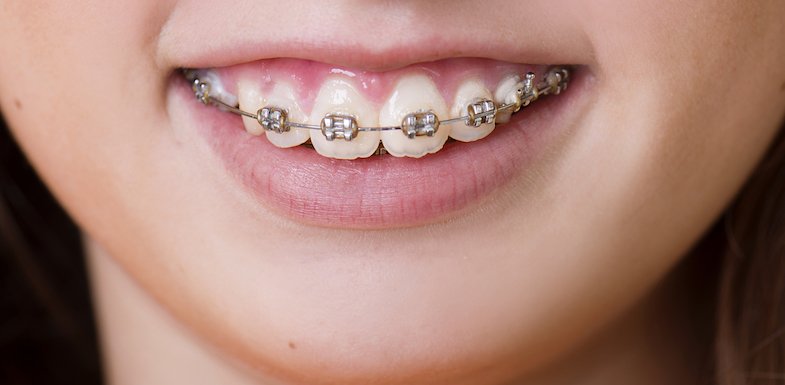
A Class II bite, also called a Class II malocclusion, is a dental classification that describes the relationship between the upper and lower teeth. Specifically, it means the upper teeth and jaw sit significantly forward relative to the lower teeth and jaw. When you look at someone with a Class II bite from the side, the lower jaw often appears recessed or set back. The upper front teeth may protrude noticeably, creating what most people call a large overbite.
To understand this, it helps to know that orthodontists use a classification system developed by Dr. Edward Angle over a century ago. Class I is a normal bite relationship. Class II means the lower jaw is positioned behind where it should be. Class III is the opposite, where the lower jaw is too far forward. The Class II pattern is actually the most common type of malocclusion I see in my practice.
Within Class II, there are two subtypes. In Division 1, the upper front teeth flare outward. In Division 2, the upper front teeth tilt inward, sometimes overlapping the lower teeth deeply. Both present unique challenges, but the underlying issue is the same: the lower jaw sits too far back in relation to the upper jaw.
Why Does This Happen
The causes of a Class II bite are largely genetic. If one or both of your parents had a recessed lower jaw or a prominent overbite, there is a good chance you might develop the same pattern. Jaw size and position are strongly inherited traits.
In some cases, the problem is not that the lower jaw is too small, but that the upper jaw has grown too far forward. Or it can be a combination of both. I have had patients whose imaging showed a perfectly normal lower jaw, but the upper jaw was positioned so far ahead that it created a Class II relationship.
Childhood habits can play a role too. Prolonged thumb sucking or pacifier use can push the upper teeth forward and inhibit lower jaw growth, worsening a developing Class II pattern. Mouth breathing, often caused by chronic nasal congestion or enlarged adenoids, can also contribute by altering the resting posture of the jaw and tongue in ways that affect growth.
How a Class II Bite Affects You
Beyond the cosmetic concerns, a Class II malocclusion can create real functional problems. Biting and chewing become less efficient when the front teeth do not meet properly. Patients often tell me they have trouble biting into things like sandwiches or pizza because their front teeth just do not line up.
There is also an increased risk of dental trauma. When the upper front teeth protrude significantly, they are more vulnerable to injury during sports, falls, or any kind of impact. I have treated several young patients who came in after chipping or knocking out a protruding front tooth. For some of them, that injury was the event that finally prompted an orthodontic consultation.
Jaw pain and TMJ issues can develop as well. When the bite is misaligned, the muscles and joints of the jaw have to compensate, which can lead to discomfort, headaches, and clicking or popping in the jaw joint. Sleep-disordered breathing, including snoring and obstructive sleep apnea, has also been associated with Class II skeletal patterns because of the reduced airway space that can accompany a recessed lower jaw.
Can Orthodontics Fix a Receding Lower Jaw
Yes, orthodontics can fix a receding lower jaw, but the treatment approach depends heavily on the patient's age and the severity of the problem. Timing matters a great deal with Class II correction, which is why early evaluation is so valuable.
For growing children, we have a window of opportunity to influence jaw development. Functional appliances, such as the Herbst appliance, the Twin Block, or the MARA device, are designed to encourage the lower jaw to grow forward. These appliances work by positioning the lower jaw in a more forward posture, stimulating growth at the condyle (the part of the jawbone that forms the jaw joint). I have seen remarkable results with these devices in patients who are still actively growing. One patient I treated with a Herbst appliance saw a dramatic improvement in his profile within about 10 months, and his parents were amazed at the difference.
In adolescents and teens who are still growing, braces combined with elastics (rubber bands) can also correct a Class II relationship. The elastics connect the upper and lower arches and apply forces that shift the teeth and, to some extent, guide jaw positioning.
For adults, the options are different because jaw growth is complete. Braces or clear aligners can still correct the dental component of a Class II bite by moving the teeth into a better relationship. Elastics are commonly used in adult treatment as well. However, if the skeletal discrepancy is severe, meaning the jaw bones themselves are significantly misaligned, orthognathic surgery may be recommended. Surgery repositions the jaw bones to achieve proper alignment, and braces are worn before and after surgery to fine-tune the bite.
The Role of Early Evaluation
The American Association of Orthodontists recommends that children have their first orthodontic evaluation by age seven. For Class II cases, this is particularly important. At that age, we can assess jaw growth patterns and determine whether early intervention might simplify or even eliminate the need for more complex treatment later.
Not every child with a Class II tendency needs early treatment. Sometimes the best plan is to monitor growth and begin comprehensive treatment when all the permanent teeth have arrived. But in cases where the overbite is severe or the upper teeth are at risk of trauma, starting earlier can make a real difference.
What Treatment Looks Like
A typical Class II treatment plan in a growing patient might involve two phases. Phase one uses a functional appliance to address the jaw discrepancy, usually lasting 9 to 12 months. Phase two involves full braces to align the teeth and finalize the bite, typically taking another 12 to 18 months.
For adult patients, treatment usually involves a single phase of braces or aligners lasting 18 to 24 months, sometimes longer if the case is complex. Cases requiring surgery will have a longer timeline that includes pre-surgical orthodontics, the procedure, and post-surgical refinement.
Regardless of the approach, retention is important after treatment. The teeth and jaw relationship need to be maintained with retainers to prevent relapse. A Class II bite is one of the most well-understood and treatable orthodontic problems, and the improvements in appearance, function, and comfort are significant. If you have been told you have a Class II bite, or you suspect your lower jaw is set too far back, an orthodontic consultation can help you understand your options and find the right path forward.

Comments