Many people who want to change their smile share something in common: they really don't like sitting in a dental chair. The sounds, the smells, the feeling of not being in control, or a bad experience from childhood can make even a short visit stressful. The idea of a longer cosmetic appointment can feel out of reach.
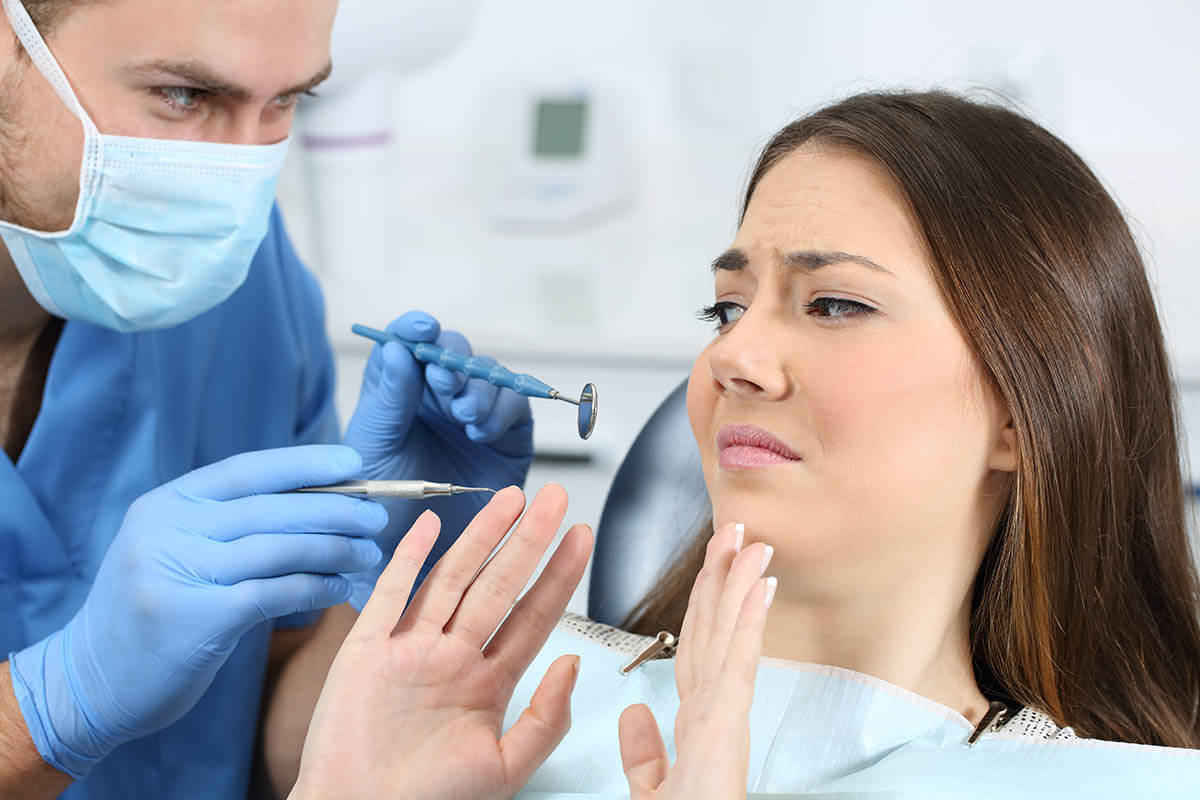
Dental anxiety is one of the most common reasons people delay care. The good news is that there are proven ways to manage it, and cosmetic treatment can often be planned around it. Here's what helps.
Why Dental Anxiety Matters
Anxiety isn't just uncomfortable. It changes behavior. People with significant dental fear are more likely to skip checkups, which allows small problems to grow. Larger problems need more involved treatment, which increases the fear. Breaking that cycle usually starts with understanding that anxiety is a legitimate concern your dental team can work with, not something you need to hide.
Start With a Conversation, Not a Procedure
One of the most effective steps is simply separating the first visit from any treatment. A consultation where you sit upright, talk about your goals, and ask questions lets you meet the team and see the space without anything happening in your mouth.
Use that time to:
- Say plainly that you're anxious. It helps the team pace the appointment and explain each step.
- Describe what bothers you most. The noise, needles, gagging, feeling numb, or not knowing what's happening each have different solutions.
- Agree on a stop signal. Raising a hand is common. Knowing you can pause at any time gives back a sense of control.
- Bring reference photos of smiles you like and don't like, so you're aligned on goals before any work begins.
Comfort Measures That Make a Difference
Small, practical comforts can lower stress more than people expect:
- Noise-cancelling headphones or earbuds to block out instrument sounds
- Watching a show or listening to music to keep your mind occupied
- A blanket or neck pillow for longer appointments
- Topical numbing gel before an injection
- Frequent short breaks to rest your jaw
It's reasonable to ask a cosmetic dentist which of these they offer before you book.
Understanding Sedation Options
For moderate to severe anxiety, sedation can make treatment possible. There are several levels, and the right one depends on your health, your anxiety, and the length of the procedure.
Nitrous oxide. Often called laughing gas, it's breathed through a small nose mask. It produces a relaxed, lightly euphoric feeling, takes effect within minutes, and wears off quickly once the mask is removed. Many people can drive themselves home afterward.
Oral sedation. A prescribed pill taken before the appointment. You remain awake and able to respond, but feel drowsy and calm, and may remember little of the visit. You'll need someone to drive you.
IV sedation. Medication delivered through a vein, allowing deeper and more adjustable sedation. It's typically used for longer or more involved procedures and requires additional monitoring and training.
Before any sedation, expect questions about your medical history, medications, and any breathing or sleep issues. Answer them fully, because they determine which option is safe for you.
Planning Cosmetic Work Around Anxiety
Cosmetic treatment doesn't have to happen in one long appointment. Breaking it into stages is often easier on anxious patients and gives you time to build trust.
A staged approach might look like this:
- A cleaning and exam first. It's low-stakes and lets you get comfortable.
- Whitening. Usually painless, and it sets the shade target for later work.
- Bonding or minor reshaping. Often done with little or no numbing.
- Veneers, crowns, or orthodontic treatment once you know what to expect.
Some treatments are naturally gentler than others. Professional whitening and bonding are minimally invasive. Clear aligners involve no drilling at all. Veneers require removing a thin layer of enamel and are a bigger step, which is one reason many people do them after building confidence with simpler treatments.
Continuity of Care Helps
Seeing the same dentist at each visit can reduce anxiety considerably. You don't have to explain your fears again to someone new, and you learn how that dentist works, how they communicate, and what to expect. If continuity matters to you, ask whether you'll see the same provider throughout your treatment.
Concerns About Looking Unnatural
After anxiety, the second most common worry is ending up with teeth that look fake. Natural-looking results come from careful planning: shade, shape, translucency, and proportions that match your face and your other teeth. Ask to see before-and-after examples, ask how the shade will be chosen, and say clearly if you want a subtle result rather than very bright white.
Taking the First Step
For most anxious patients, the hardest part is making the first appointment. Once you have a plan, a stop signal, and comfort measures in place, treatment usually feels far more manageable than expected.
You don't need to love going to the dentist. You only need an approach that makes it possible to show up, at a pace that works for you.

Comments