Invisible trays can straighten teeth remarkably well, but only when they are used the right way.
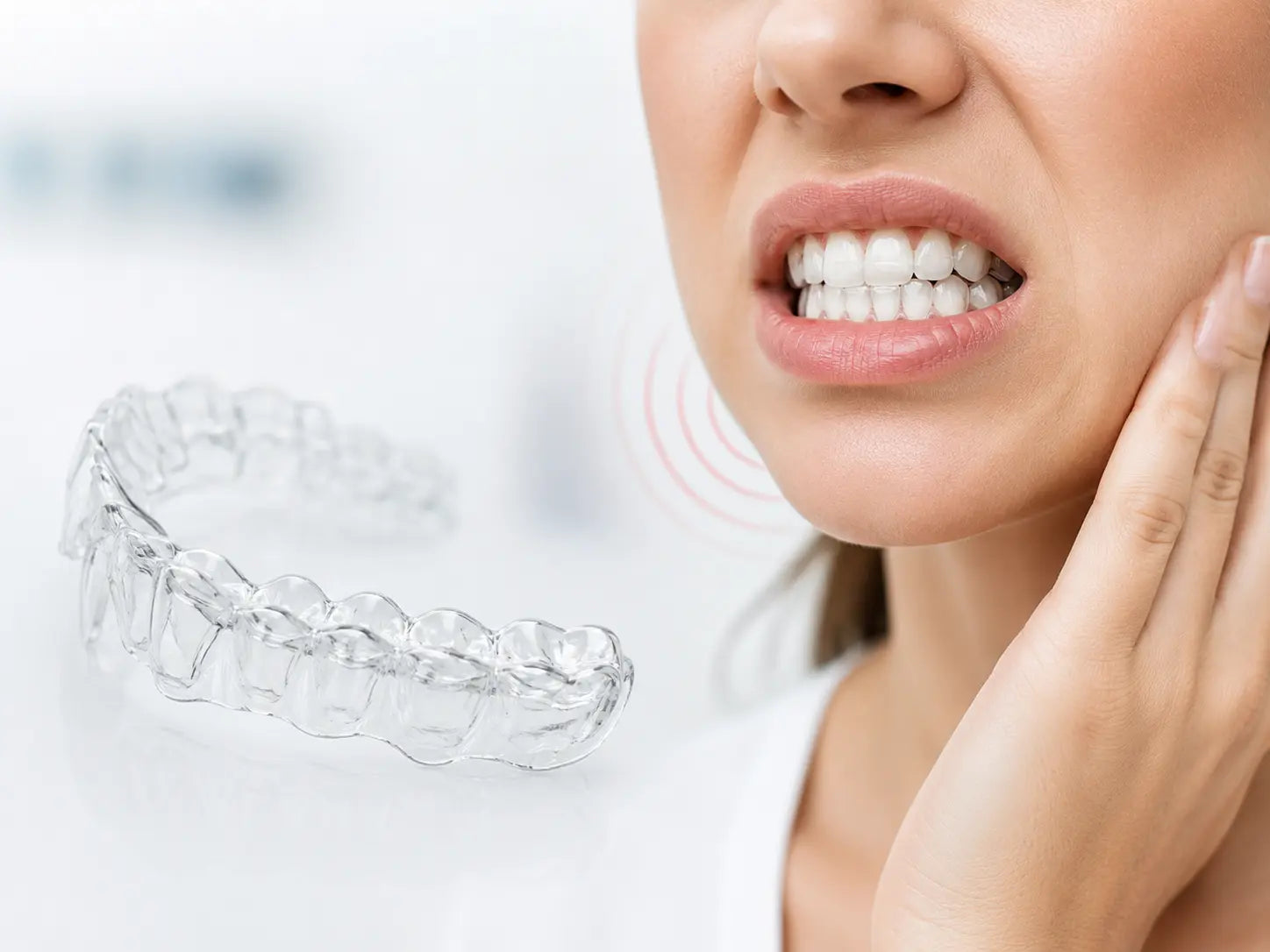
Clear aligners have transformed orthodontics by offering a nearly invisible way to straighten teeth. But their smooth, simple appearance hides a surprising amount of engineering, and the results depend heavily on how the patient uses them. Understanding the mechanics helps explain both why they work and why compliance matters so much.
The science behind the trays
Teeth are not fixed permanently in the jaw. Each one sits in bone that constantly remodels in response to pressure, which is the same principle behind traditional braces. Clear aligners apply that pressure through a series of custom trays, each one shaped slightly differently from the last. When you put in a new tray, it does not quite match your current tooth positions, and that gentle mismatch is what nudges the teeth to move.
You progress through the series, changing to the next tray every one to two weeks as directed. With each switch, the teeth shift a little closer to the final goal. Small tooth-colored attachments are often bonded to certain teeth to give the aligners something to grip, allowing more complex movements like rotations that plastic alone could not achieve.
Why wear time makes or breaks the result
Here is the part that patients most often underestimate. Aligners only move teeth while they are being worn, and the standard prescription is 20 to 22 hours a day. That leaves just enough time to remove them for eating, drinking anything other than water, and brushing. Wear them faithfully and the teeth track along the planned path. Leave them out too long and the teeth do not keep up with the trays, the fit gets off, and treatment stalls or has to be redone.
Caring for the aligners is part of success too. Rinse and gently clean them so they stay clear and odor free. Never eat with them in, since chewing can crack them and trapped food feeds bacteria. And always wear the current tray until your provider says to advance, even if it starts to feel loose.
It is also worth remembering that the trays are only as good as the plan behind them. A skilled provider maps out every movement in advance, which is why Invisalign treatment supervised by an experienced orthodontist tends to produce more predictable results than mail-order kits that skip the in-person planning and monitoring.
Who is a good candidate
Clear aligners handle a wide range of cases today, from mild crowding and spacing to more involved bite corrections that once would have required braces. Advances in the technology, along with the small bonded attachments and techniques an experienced provider uses, have steadily expanded what aligners can accomplish. That said, some complex situations are still better served by braces, and the only way to know for certain is a professional evaluation.
The other half of candidacy is honesty about compliance. Aligners reward discipline, so they tend to suit people who will commit to wearing them 20 to 22 hours a day and keeping their trays and teeth clean. For a motivated patient who values the discretion and the freedom to remove the trays for meals, they are an excellent fit. A consultation, usually including a digital scan, is where a provider confirms whether your specific case and habits line up well with aligner treatment.
People often ask how aligners compare to braces on cost and time. In many cases the two are broadly comparable, and the better choice comes down to the specifics of the bite and personal preference rather than price alone. Aligners win on discretion and the freedom to remove them for meals and cleaning, while braces do not depend on the wearer remembering to keep them in. An honest provider will tell you when either would work well and when one clearly fits your case better.
Used correctly, clear aligners offer a genuinely excellent combination of discretion, comfort, and effectiveness. The technology does the heavy lifting, but the outcome still rests on two things: a well-designed treatment plan and a patient disciplined enough to keep the trays in. Get both right, and the near-invisible path to a straighter smile lives up to its reputation.

Comments