Clear aligners have transformed the way millions of people think about orthodontic treatment. The idea of straightening teeth without metal brackets and wires appeals to patients of all ages, and the technology has advanced rapidly since the first aligner systems hit the market in the late 1990s. But behind the sleek, nearly invisible trays lies some genuinely clever engineering and biology.
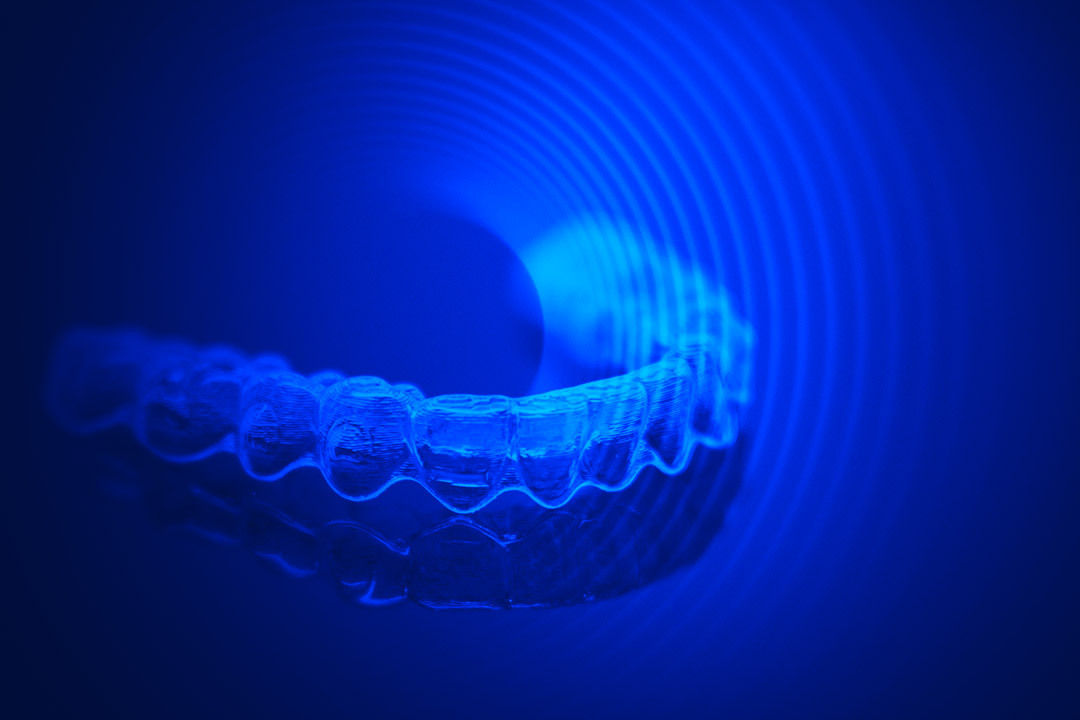
I want to pull back the curtain on how clear aligners actually work, because understanding the science makes patients better partners in their own treatment.
How Do Clear Aligners Work
Clear aligners are a series of custom-made, removable plastic trays that fit snugly over the teeth. Each tray is slightly different from the one before it, with each successive aligner designed to move certain teeth a small, precise amount. By wearing each aligner for one to two weeks before switching to the next, patients progress through a planned sequence of tooth movements that gradually brings the teeth into alignment.
The process begins with a detailed 3D digital scan of the patient's teeth. Using specialized software, the orthodontist maps out the desired final position of every tooth and then creates a step-by-step plan for getting there. The software divides the total movement into small increments, typically about 0.25 millimeters per aligner stage. Each aligner is manufactured to reflect one step in that sequence.
When you place a new aligner on your teeth, it does not fit perfectly. It fits the position your teeth will be in after that stage of movement is complete. The slight mismatch between where your teeth are and where the aligner wants them to be generates a controlled force that pushes the teeth toward the planned position. As the teeth move and catch up to the aligner's shape, it is time to switch to the next tray and begin the next increment.
The Role of Attachments
If you look closely at someone wearing clear aligners, you might notice small tooth-colored bumps bonded to certain teeth. These are called attachments, and they play a critical role in how aligners generate force.
A smooth, round tooth is hard for a flat plastic tray to grip effectively. Attachments provide the aligner with something to push against, giving it better leverage for specific movements. They are strategically placed on teeth that need rotation, extrusion, intrusion, or other complex movements that a smooth aligner surface alone cannot achieve.
Without attachments, aligners can handle simple tipping movements reasonably well but struggle with more demanding tooth movements. With attachments, the range of treatable cases expands significantly. In my practice, I use attachments on the majority of my aligner patients because they dramatically improve the precision and predictability of the results.
The Biology of Tooth Movement with Aligners
The underlying biology of tooth movement is the same whether you are using braces or aligners. Force applied to a tooth compresses the periodontal ligament on one side and stretches it on the other. This triggers bone remodeling: osteoclasts remove bone on the compressed side, and osteoblasts build new bone on the stretched side. The tooth gradually shifts through the bone.
What differs with aligners is how the force is delivered. Braces use a continuous wire that applies force all the time. Aligners apply force only when they are being worn. This is why compliance is so important. Most orthodontists recommend wearing aligners for 20 to 22 hours per day. They should only be removed for eating, drinking anything other than water, and brushing your teeth.
When patients do not meet the recommended wear time, the teeth do not receive enough sustained force to keep up with the planned movement schedule. This can result in "tracking issues," where the teeth fall behind the plan and the aligners stop fitting properly. Getting back on track sometimes requires backtracking to an earlier tray or adjusting the treatment plan.
Can Clear Aligners Fix an Overbite
This is a question I hear frequently, and the answer is yes, with some important qualifications. Clear aligners can correct many types of overbites, particularly those caused by dental positioning, meaning the teeth themselves are tilted or positioned in a way that creates the overbite.
For mild to moderate overbites, aligners combined with elastics (small rubber bands hooked from the upper to lower aligners) can produce excellent results. The elastics provide the inter-arch forces needed to shift the relationship between the upper and lower teeth, while the aligners handle the individual tooth movements.
Severe skeletal overbites, where the problem is rooted in the size or position of the jawbones themselves, are more challenging for aligners to address. These cases may require braces, jaw surgery, or a combination of approaches. The key is an accurate diagnosis. An orthodontist can evaluate whether an overbite is dental, skeletal, or a combination, and recommend the most appropriate treatment.
Precision and Predictability
One of the greatest strengths of modern aligner systems is the digital planning process. Before a single tray is manufactured, the orthodontist can review a virtual simulation of the entire treatment. This simulation shows how each tooth will move at every stage, allowing for adjustments to the plan before treatment even begins.
That said, teeth do not always move exactly as predicted. Biology is not as obedient as software. In my experience, the first round of aligners achieves about 70 to 80 percent of the planned movement for most patients. Additional sets of aligners, called refinements, are often needed to fine-tune the final result. This is a normal part of treatment and should not be seen as a failure of the system.
What Aligners Do Well and Where They Have Limits
Clear aligners are excellent for treating mild to moderate crowding, spacing, and certain bite issues. They work particularly well for patients who are disciplined about wear time and good candidates based on their specific tooth movements.
Where aligners can struggle is with large vertical movements (like significantly intruding or extruding a tooth), severe rotations of round teeth like premolars, and cases requiring significant jaw repositioning. Aligners have improved dramatically in handling complex cases, but there are still situations where braces remain the more efficient and predictable option.
The best approach is always an honest assessment of what will work best for your individual case. A good orthodontist will recommend aligners when they are confident the system can deliver an excellent result, and suggest alternatives when another approach would serve you better. The goal is always the best outcome for your teeth and your bite, regardless of which tool gets you there.

Comments