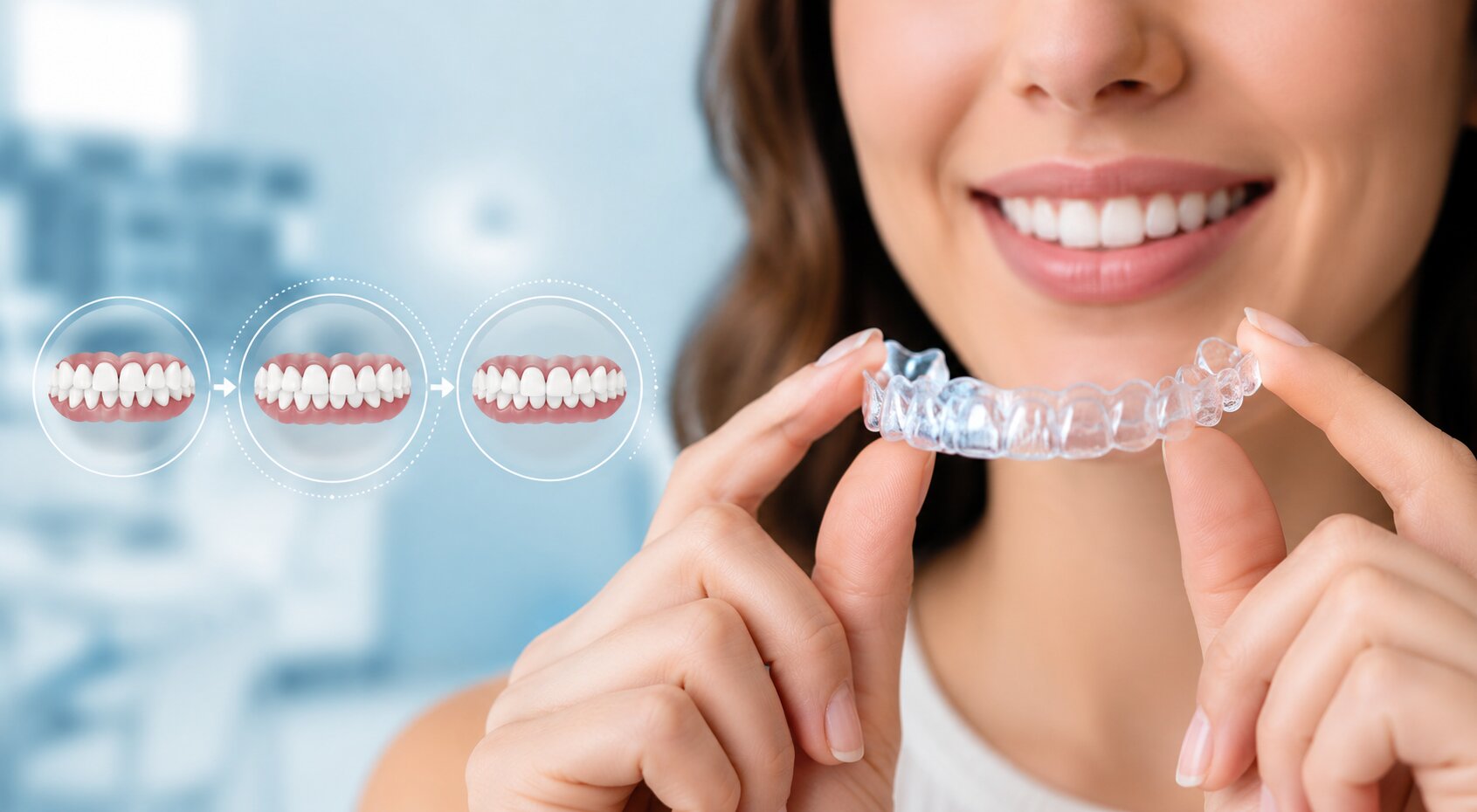
When most people think about straightening their teeth with clear trays, one brand name tends to come to mind first. It has become so synonymous with the category that many patients assume it is the only real option. In truth, clear aligner treatment is a broad field with several capable systems, and the best known name is one choice among several. Understanding that there are alternatives helps patients and providers make decisions based on fit rather than familiarity alone.
All clear aligner systems share the same basic idea. A series of custom, transparent trays gradually moves the teeth through a planned sequence, with each tray worn for a week or two before the next takes over. The trays are made from a digital scan and a carefully mapped treatment plan, and they offer the appeal of discreet, removable orthodontic correction. Where systems differ is in the materials, the planning software, the support offered to providers, and the cost structure.
Those differences are more meaningful than they might first appear. The plastic used in the trays varies between systems, affecting comfort, the force applied to the teeth, and how the trays feel in the mouth. The planning tools that orthodontists use to design treatment also differ, which can influence how predictably certain movements are achieved. These are the kinds of details that a skilled provider weighs when deciding which system best suits a particular case.
For patients, the practical takeaway is that it is worth asking your provider what options they offer and why they recommend a particular one. A thoughtful look at the question of clarity aligners vs Invisalign, weighed against other systems, can reveal that a different choice fits your case, your budget, or your provider's expertise better than the default name you walked in expecting. An honest provider will explain the reasoning rather than simply defaulting to the most recognized brand.
Cost is one area where alternatives can matter, since different systems carry different price structures that may translate into savings for the patient. Because the underlying treatment principle is the same, a capable alternative system in skilled hands can deliver excellent results, sometimes at a more accessible price. For budget conscious patients, knowing that the field has more than one option opens up possibilities they might not have considered.
It is important to emphasize that with any clear aligner system, the skill of the provider matters far more than the brand on the box. Aligners are a tool, and the quality of the result depends overwhelmingly on the diagnosis, the treatment plan, and the ongoing supervision provided by the orthodontist. A great provider using a less famous system will achieve better results than a careless one using the most advertised brand. The expertise guiding treatment is what truly counts.
The same patient responsibilities apply across all systems as well. Whatever the brand, aligners only work if worn consistently, around twenty two hours a day, and removed only for eating and cleaning. Teeth must be brushed before the trays go back in, and the trays themselves need regular gentle cleaning. The discipline required does not change based on which company manufactured the trays, so honest self assessment remains essential regardless of the option chosen.
Suitability also follows similar lines across systems. Mild to moderate crowding, spacing, and many bite issues respond well to clear aligners in general, while very complex cases may call for traditional braces or a combined approach no matter which aligner brand is considered. A professional evaluation determines whether clear aligners of any kind can achieve your goals, which is a more fundamental question than which specific brand to use.
For providers, the existence of multiple capable systems is an opportunity to match the tool to the case and the patient rather than relying on a single product for everything. Different systems have different strengths, and a practice that works with more than one can tailor its recommendations more precisely. This flexibility ultimately serves patients better, since their treatment is chosen for fit rather than habit.
For patients navigating this decision, the most useful posture is curiosity rather than brand loyalty. Walking into a consultation with an open mind, ready to hear which system the provider recommends and why, tends to lead to better outcomes than insisting on a particular name before the examination has even happened. The questions that serve you well are practical ones. Which system suits my specific case, what will it cost, how long will it take, and what is your experience with the option you are recommending. A provider who answers these directly is giving you the information you actually need. The marketing that surrounds the most famous brand is designed to shape your expectations before you ever sit in the chair, and recognizing that influence frees you to evaluate the choice on its merits. In the end, the right system is simply the one that fits your teeth, your budget, and your provider's expertise best, whatever its name happens to be.
The broader point is simple. The most recognized name in clear aligners earned its reputation, but it is not the only path to a straighter smile. Patients are well served by understanding that alternatives exist, by asking their providers thoughtful questions, and by focusing on the expertise behind the treatment rather than the marketing in front of it. With the right provider and the right system for your case, an excellent result is achievable through more doors than the most famous one.

Comments