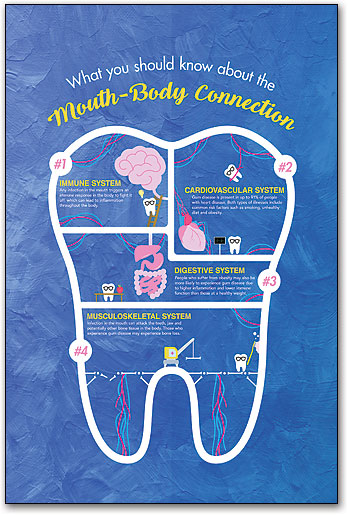
For a long time, dentistry and general medicine were treated as separate worlds. Your teeth were one thing, your body another. Research over the past few decades has steadily dismantled that idea. The mouth is not a sealed compartment. It is a gateway to the rest of the body, and its condition both reflects and influences your overall health.
The gum disease connection
The clearest example is periodontal disease, the chronic infection of the gums and bone that support your teeth. When gums are inflamed, the bacteria and inflammatory chemicals involved do not stay put. They can enter the bloodstream and contribute to inflammation elsewhere in the body. Studies have repeatedly associated gum disease with a higher risk of heart disease, stroke, and clogged arteries.
The relationship with diabetes runs in both directions. People with diabetes are more prone to gum infections, and severe gum disease can in turn make blood sugar harder to control. Managing one often helps the other, which is why physicians and dentists increasingly view them as connected rather than separate concerns.
Beyond the heart and blood sugar
The links do not stop there. Pregnant women with untreated gum disease have been associated with higher rates of premature birth and low birth weight. Poor oral health has been connected to respiratory infections, since the mouth can harbor bacteria that are inhaled into the lungs. Researchers are even studying possible connections between oral bacteria and cognitive decline. The picture that emerges is consistent: a healthy mouth supports a healthier body.
There is a hopeful side to this. The same simple habits that keep your teeth and gums healthy also reduce these broader risks. Brushing twice a day, cleaning between your teeth daily, eating a diet low in added sugar, avoiding tobacco, and keeping regular dental visits are not just about avoiding cavities. They are part of caring for your whole self.
Regular professional cleanings and exams are where much of this prevention happens, because a dentist can detect and treat gum problems long before you would notice them yourself. Finding a trusted dentist near me and keeping to a routine of checkups is one of the most underrated things you can do for your long-term wellness.
The mouth as an early warning system
One of the most useful aspects of this connection is that the mouth often shows signs of trouble before other symptoms appear. A dentist may spot the effects of acid reflux on the enamel, signs of teeth grinding tied to stress, or oral changes that can accompany diabetes, nutritional gaps, or certain autoimmune conditions. Dry mouth, mouth sores that will not heal, and unusual gum changes can all be worth flagging to a physician.
This is part of why dental visits are more than a check on cavities. Your dentist sees a part of your body that is closely watched and easy to examine, and they are trained to notice when something looks off. In that sense, keeping up with dental care adds a second set of informed eyes to your overall health, catching clues that might otherwise go unnoticed until later.
The unifying thread behind all of these connections is inflammation. Chronic inflammation in the gums does not stay neatly contained, and the same low-grade inflammatory process is implicated in many of the conditions researchers have tied to oral health. Calming it at the source, by keeping the gums healthy, is a small act with outsized reach. That is a genuinely empowering idea, because it means the toothbrush in your bathroom is doing more for your body than its size would suggest.
The next time you are tempted to skip a cleaning or brush off bleeding gums, it helps to remember what the science is telling us. Oral care is not a cosmetic afterthought. It is a meaningful piece of preventive healthcare, and your mouth is often the first place your body signals that something needs attention.

Comments