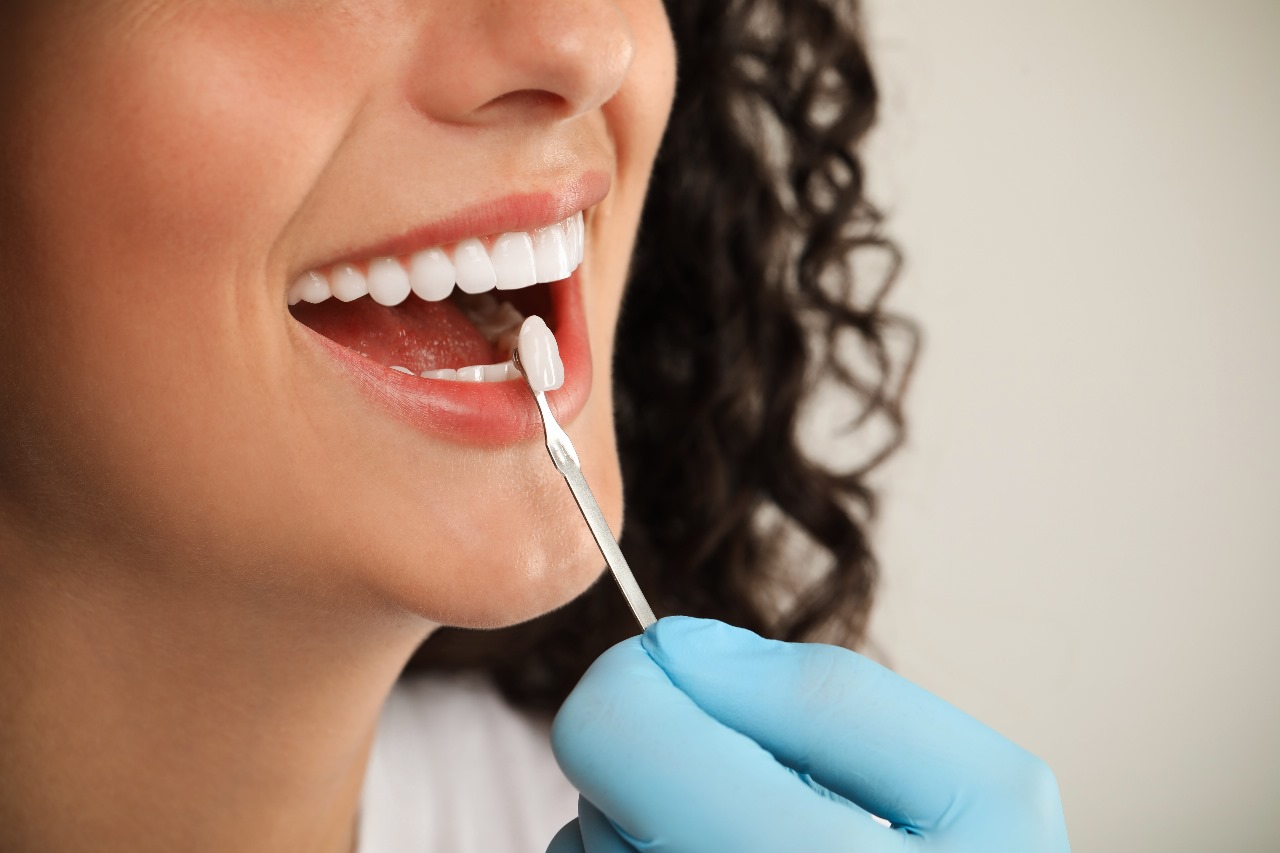
Teeth whitening is one of those topics where marketing has thoroughly outpaced education. You see advertisements promising dramatic transformations from products that cost fifteen dollars at the drugstore, and you wonder whether professional teeth whitening, at a significantly higher price point, is really worth it. It is a fair question, and it deserves an honest answer rather than a sales pitch.
I want to break down what actually differs between professional whitening and store-bought strips, explain when each option makes sense, and help you make a decision based on your specific situation rather than advertising claims.
How Whitening Works at a Basic Level
All teeth whitening uses some form of peroxide to bleach stains from tooth enamel. Hydrogen peroxide and carbamide peroxide are the two most common active ingredients, and they work by penetrating the enamel surface and breaking apart the molecular bonds of stain compounds through oxidation. The concentration of peroxide, the duration of contact, and the method of delivery are what differentiate one whitening approach from another.
This is important to understand because it means all whitening products operate on the same fundamental principle. The question is not whether the chemistry works. It does. The question is how effectively and safely a given product delivers that chemistry to your teeth.
What Professional Whitening Offers
Is professional teeth whitening worth it? For many patients, yes. Here is why. In-office whitening uses peroxide concentrations significantly higher than anything available over the counter, typically ranging from twenty-five to forty percent hydrogen peroxide compared to the three to ten percent found in retail products. This higher concentration produces faster, more dramatic results, often in a single appointment lasting sixty to ninety minutes.
Beyond concentration, professional whitening involves customized application. Your dentist or hygienist isolates the gum tissue with a protective barrier before applying the whitening gel, which prevents the high-concentration peroxide from irritating soft tissue. The gel is applied evenly across all visible surfaces, ensuring consistent color change without the patchiness that can occur with strips that do not conform perfectly to tooth contours.
Custom take-home trays from your dentist represent a middle ground. These are fabricated from impressions of your teeth, so they fit precisely and hold whitening gel in uniform contact with every surface. The peroxide concentration is lower than in-office treatment but higher than retail strips, typically ten to twenty percent carbamide peroxide. Treatment involves wearing the trays for a prescribed period over one to two weeks.
The other major advantage of professional whitening is supervision. Your dentist evaluates your teeth before treatment to identify any issues that should be addressed first, such as cavities, cracked teeth, or gum recession that might cause problems during whitening. They can also predict how your teeth will respond based on the type and source of your staining.
What Store-Bought Strips Do Well
Over-the-counter whitening strips are not scams. They contain real peroxide and they do lighten teeth for most users. The concentrations are lower and the contact time is longer (daily use over two to three weeks), but they produce noticeable improvement for many people, particularly those with mild to moderate surface staining from coffee, tea, or wine.
The major advantages of strips are cost and convenience. A box of whitening strips costs a fraction of professional treatment, requires no dental appointment, and can be used on your own schedule at home. For someone with generally healthy teeth, mild staining, and a limited budget, strips represent a reasonable starting point.
Modern strips have improved significantly from early versions. Many now use a hydrogen peroxide concentration around ten percent, and the adhesive technology conforms better to tooth surfaces than it did a decade ago. Results are not as dramatic as professional treatment, but they are real.
The Key Differences That Matter
What is the difference between professional and store-bought whitening? It comes down to several factors that may or may not matter depending on your situation.
Speed and degree of change is the most obvious difference. Professional treatment achieves in one or two sessions what strips take weeks to approximate, and the final result is typically several shades lighter with professional care. If you need significant whitening for an upcoming event or want maximum brightness, professional treatment delivers more reliably.
Uniformity of results is another important distinction. Custom trays and professionally applied gel reach every surface of every tooth evenly. Strips can leave the spaces between teeth, the gum line margins, and the edges of teeth less thoroughly whitened, creating subtle unevenness that bothers some people.
Safety and screening matter as well. If you have untreated cavities, worn enamel, exposed root surfaces, or certain types of dental restorations, whitening without professional guidance can cause problems ranging from intense sensitivity to actual damage. A dental exam before whitening catches these issues. Using strips without that screening means accepting the risk of whitening teeth that are not ready for it.
Longevity of results tends to favor professional treatment as well. The deeper penetration of higher-concentration products often produces results that last longer before requiring touch-up treatments, though individual habits like coffee consumption and smoking status affect duration regardless of the method used.
When Strips Make Sense
If your teeth are healthy, your staining is mild, you have had a recent dental checkup with no noted concerns, and you want modest improvement on a budget, over-the-counter strips are a reasonable choice. They are also appropriate for maintenance between professional treatments, extending the life of a professional whitening result.
I recommend that patients using strips still follow the product directions precisely. More is not better with peroxide products. Overuse or leaving strips on longer than directed increases sensitivity risk without proportionally improving results.
When Professional Treatment Is the Better Call
If your staining is moderate to severe, if you want dramatic results quickly, if you have dental concerns that need evaluation first, or if you have tried strips and found them ineffective, professional whitening is likely the better investment. It is also the better choice for people with dental restorations on visible teeth, since your dentist can advise you on how whitening will interact with crowns, veneers, or bonding.
Ultimately, both options work. The right choice depends on your specific teeth, your expectations, your timeline, and your budget. A conversation with your dentist can help you navigate those variables honestly, without pressure. The goal is a smile you feel good about, achieved safely, regardless of which path gets you there.

Comments