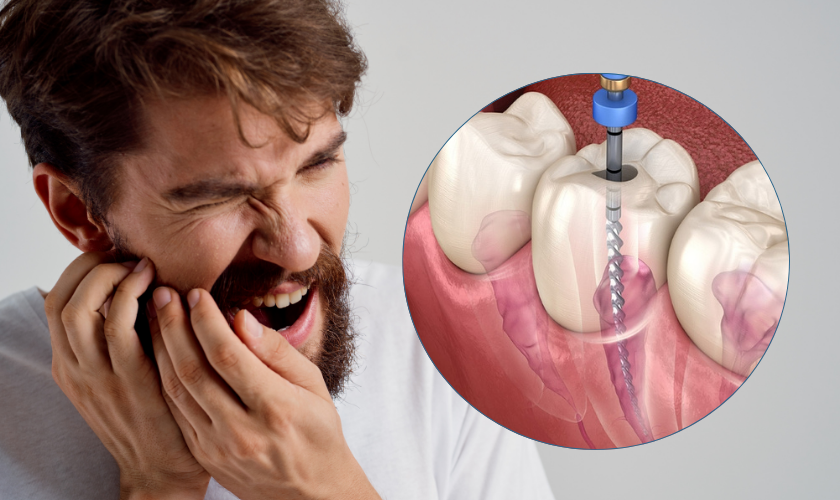
For many people, the phrase “root canal” still brings back memories of long appointments and uncomfortable dental visits. Yet modern dentistry has quietly transformed this procedure into something far more precise, efficient, and recovery-focused. Today’s techniques are designed not only to treat infection but also to protect natural teeth while reducing discomfort and healing time.
Interestingly, conversations around advanced dental care are no longer limited to fillings or cosmetic procedures. Even professionals such as an orthodontist in Burtonsville, MD may encourage patients to address deep tooth infections early, since untreated dental damage can eventually affect overall bite alignment and long-term oral stability.
The biggest shift in root canal treatment is not just about technology. It is about improving the entire recovery experience. Patients now spend less time dealing with soreness, swelling, and repeated appointments compared to older methods. Modern tools allow dentists to work with greater accuracy while preserving more healthy tooth structure.
Key Takeaways
- Modern root canal procedures are faster and more comfortable than before
- Digital imaging improves treatment accuracy and diagnosis
- Advanced cleaning systems help reduce recovery complications
- New materials strengthen treated teeth for long-term durability
- Recovery times are becoming shorter with minimally invasive methods
Digital Imaging Is Improving Precision
One of the most important advances in root canal treatment is the use of high-resolution digital imaging. Traditional X-rays often provided only a limited view of the tooth. New imaging systems now allow dentists to examine tiny root canals, hidden fractures, and infection pathways with far greater clarity.
This matters because even a small untreated canal can allow bacteria to remain inside the tooth. With better visualization, dentists can clean infected areas more thoroughly while avoiding unnecessary removal of healthy tissue.
Three-dimensional scans have also improved treatment planning. Dentists can study the tooth from multiple angles before beginning the procedure, which helps reduce surprises during treatment and creates a smoother recovery process afterward.
Rotary Instruments Are Reducing Treatment Time
Older root canal techniques relied heavily on manual instruments that required more time and repeated movements inside the tooth. Modern rotary systems use flexible nickel-titanium instruments that move more efficiently through curved canals.
These tools help orthodontist clean infected areas faster and with greater consistency. Because the instruments are more flexible, they can follow the natural shape of the tooth instead of forcing straight access paths.
For patients, this often means shorter appointments and less irritation to surrounding tissues. Reduced trauma inside the tooth can directly contribute to quicker healing after the procedure.
Advanced Disinfection Is Changing Recovery Outcomes
Cleaning the inside of a tooth has always been one of the most important parts of a root canal. However, older methods sometimes struggled to eliminate bacteria hiding deep within microscopic spaces.
Today, advanced irrigation and activation systems are making a major difference. Ultrasonic cleaning technology helps disinfect solutions move more effectively throughout the canal system. Some practices also use laser-assisted techniques to improve bacterial removal.
The result is a cleaner internal environment that supports better healing. When bacteria are removed more thoroughly, patients are less likely to experience lingering infection or post-treatment complications.
Better Filling Materials Are Strengthening Teeth
In the past, some treated teeth became more fragile over time. Modern root canal materials are helping change that outcome.
New biocompatible sealers are designed to bond more effectively within the canal space while reducing leakage risks. These materials help create a stronger seal against future bacterial invasion.
Dentists are also using improved restorative techniques after treatment. Stronger crowns and advanced bonding materials help preserve tooth function and durability for many years.
This focus on long-term strength is especially important because saving the natural tooth is usually better than replacing it whenever possible.
Minimally Invasive Dentistry Is Preserving Healthy Structure
A growing trend in modern dentistry is the idea of preserving as much natural tooth structure as possible. Root canal procedures are benefiting from this philosophy as well.
Instead of creating large access openings, many dentists now use conservative techniques that maintain more of the tooth’s original strength. Microscopes and enhanced lighting systems allow dentists to work in smaller areas with greater accuracy.
By preserving healthy enamel and dentin, the treated tooth often remains stronger after recovery. Patients may also experience less sensitivity following the procedure.
Recovery Is Becoming More Comfortable
Perhaps the biggest change patients notice is the improvement in overall comfort. Modern anesthesia techniques, better instruments, and more precise treatment planning have significantly reduced the fear traditionally associated with root canals.
Many patients now compare the experience to receiving a standard dental filling rather than a major procedure. Mild soreness may still occur for a short period, but recovery is often far smoother than expected.
Dentists also provide more personalized aftercare guidance today, helping patients manage healing with better confidence and fewer complications.
Looking Ahead at the Future of Root Canal Care
The future of root canal treatment continues to move toward greater efficiency and patient comfort. Researchers are exploring regenerative techniques that may one day help damaged dental tissues heal naturally instead of simply being cleaned and sealed.
Artificial intelligence is also beginning to assist with diagnostics, helping dentists detect hidden issues earlier and plan treatments more accurately.
These innovations reflect a broader shift in dentistry toward preventive, minimally invasive care that prioritizes long-term oral health instead of temporary fixes.
Final Thoughts
Root canal treatment has evolved far beyond outdated stereotypes. With advanced imaging, improved disinfection methods, stronger restorative materials, and minimally invasive techniques, modern dental recovery is becoming faster and more predictable than ever before.
For patients dealing with deep tooth infections, these advancements offer more than convenience. They provide a chance to preserve natural teeth with greater comfort, confidence, and long-term success.

Comments