There is a large group of people who have not seen a dentist in five, ten, or twenty years, and the reason is almost never indifference. It is fear, often traceable to a specific bad experience, sometimes decades old.
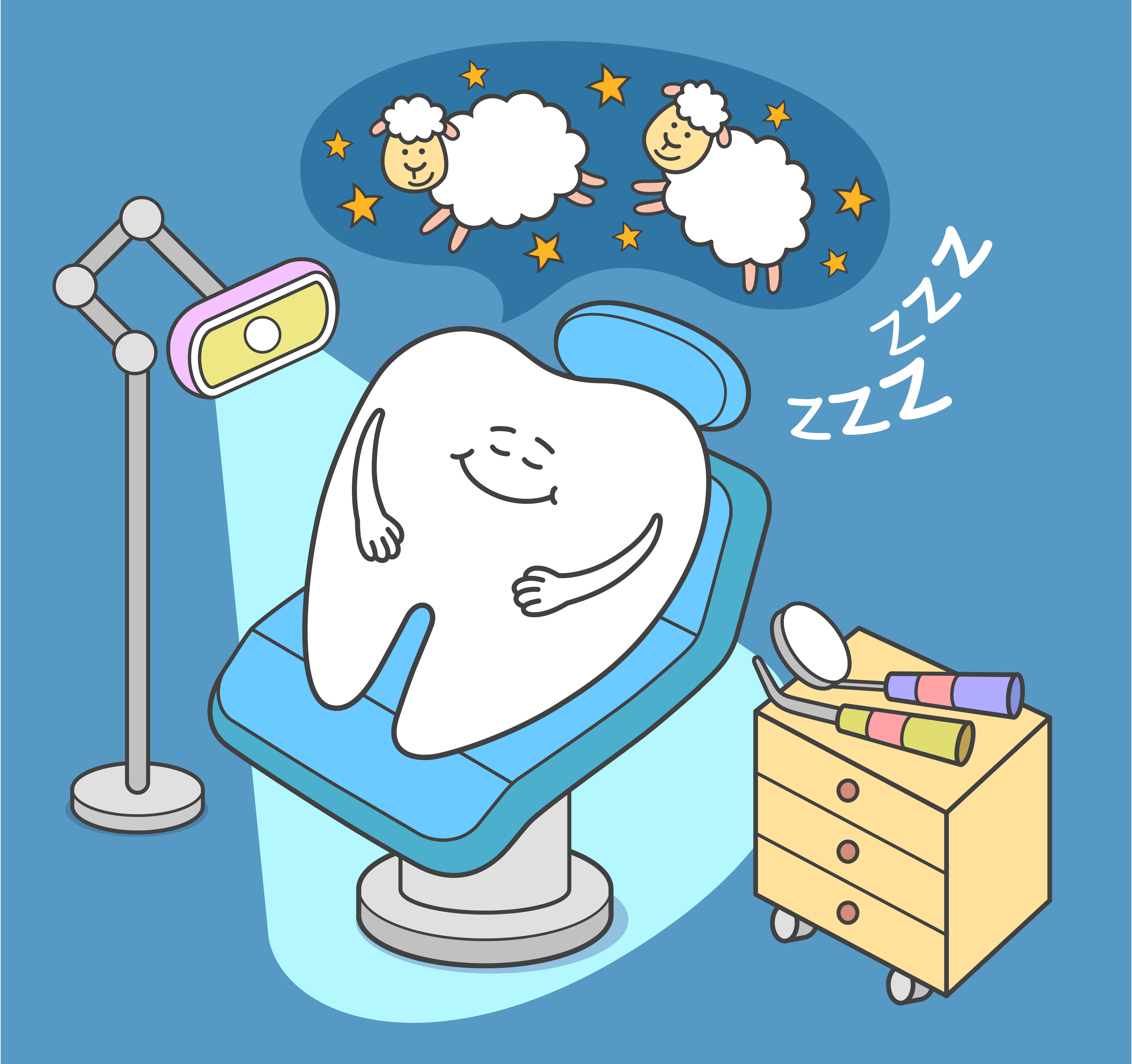
The avoidance is self-reinforcing. The longer the gap, the more there is to find, and the more embarrassing the return feels. Sedation options exist largely to break that cycle.
The levels, from lightest to deepest
Nitrous oxide, inhaled through a small nose mask, produces a relaxed, slightly detached feeling. It takes effect within minutes and wears off within minutes of the mask coming off, so you can drive yourself home. You remain fully conscious and able to respond. For mild to moderate anxiety it is often enough, and it is the lowest-commitment option available.
Oral sedation involves a tablet taken before the appointment, usually from the benzodiazepine family. You are drowsy and relaxed, often with little memory of the procedure afterward, though you remain rousable. You will need someone to drive you both ways and to stay with you afterward.
IV sedation is administered by a trained provider through a vein, allowing the depth to be adjusted during treatment. Most patients remember very little. It requires more monitoring, a longer recovery, and an escort.
General anesthesia, where you are fully unconscious, is reserved for specific circumstances and is usually delivered in a surgical setting.
What determines which is appropriate
Your level of anxiety, the length and complexity of the treatment, your medical history, and the medications you take. Some conditions and drug interactions rule out particular options, which is why a thorough medical history is taken before anything is decided.
This should be a conversation rather than a menu. A practice that assesses your history and recommends the lightest option that will work is doing it properly. One that offers the deepest option first is not.
What the appointment looks like
For oral or IV sedation, expect instructions about eating beforehand, a review of your medications, and a requirement for an escort. Expect monitoring during treatment, including blood pressure and oxygen levels.
Expect the practice to ask about your medical conditions in detail. This is not bureaucracy. It is the part that keeps sedation safe, and a practice that skips it should give you pause.
Ask who administers the sedation and what their training is. Ask what monitoring equipment is used and what happens if you respond unexpectedly. These are reasonable questions and any properly equipped practice answers them readily.
Sedation is not the only tool
For many anxious patients, the things that help most are not pharmacological. A longer appointment so nothing feels rushed. An agreed signal to stop, honored every time. An explanation of each instrument before it is used. Being told what will happen next rather than having it happen.
Topical anesthetic applied before an injection, and slow delivery of the anesthetic itself, removes most of the discomfort people associate with the injection.
Some patients do best with a first appointment where nothing is done at all beyond a conversation and a look. Practices willing to schedule that are worth finding.
The embarrassment question
Dentists see long absences constantly, and the ones worth going to have no interest in making you feel worse. If you have avoided care for years, say so when you book. It changes how the appointment is planned, how much time is allocated, and what is attempted on the first visit.
Nobody should be lectured. If you are, that tells you the practice is wrong rather than that you were.
What the first visit back involves
Usually an examination and x-rays rather than treatment. A comprehensive assessment, a periodontal charting, and then a plan sequenced by urgency: infection and pain first, then decay threatening the nerve, then structural work, then anything elective.
Seeing the whole plan can be overwhelming. Ask for it phased across months or years. A practice that helps you do that is working with you.
Cost and coverage
Sedation is usually billed separately from the treatment, and nitrous oxide is considerably less expensive than IV sedation. Insurance coverage varies and is often limited, though medical necessity can apply in some circumstances.
Ask for the sedation fee alongside the treatment fee so you can weigh whether a lighter option would serve.
Finding the right practice
Look for one that treats anxiety as a clinical issue to be managed rather than a personality trait to be tolerated. Ask what they offer, ask how they handle patients who have been away a long time, and pay attention to whether the answer sounds practiced or genuine.
A dentist who offers a consultation with no treatment attached, and who will start with the lightest intervention that works, is the right place to restart. The first appointment is the hardest one, and it is worth choosing carefully where you have it.

Comments