That Moment the Brackets Come Off
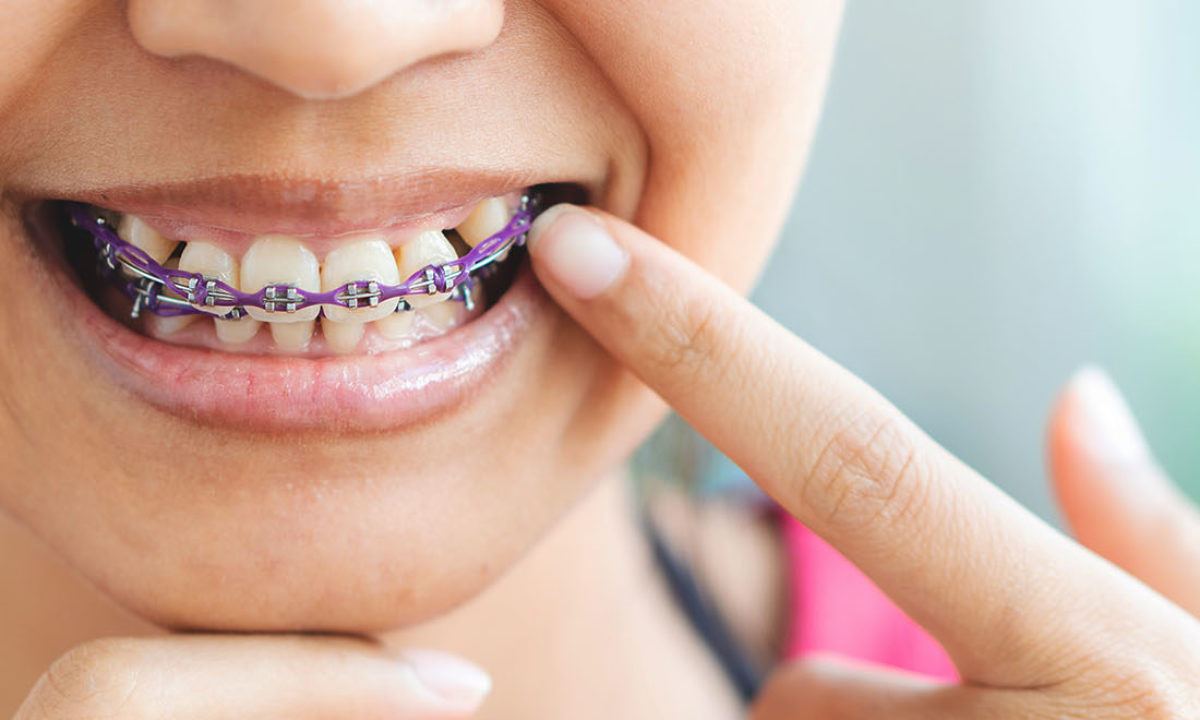
I remember my first patient who asked me about whitening before she even sat down for her debonding appointment. She had been counting down the days until her braces came off, and somewhere along the way she had decided that the very same afternoon would be the day she started whitening. I had to slow her down a bit, and I find myself having that same conversation with patients regularly. The excitement is completely understandable. You have spent months or years investing in a straighter smile, and you want it to look its absolute best. But timing matters more than most people realize when it comes to whitening after orthodontic treatment.
When your braces finally come off, your teeth may look a little uneven in color. Some patients notice lighter spots where the brackets were bonded and slightly darker or more yellow areas around the edges. This is normal. The adhesive that held your brackets in place shielded small patches of enamel from the foods, drinks, and general staining that affected the rest of the tooth surface over the course of treatment. The good news is that this unevenness typically resolves on its own within a few weeks as your teeth re-equilibrate with saliva and normal exposure.
How Long You Should Wait to Whiten
So can you whiten teeth right after braces come off? Technically you can, but I strongly recommend waiting. The general guideline I give my patients is to wait at least two to four weeks after debonding before starting any whitening treatment. Some colleagues recommend waiting as long as six weeks, and honestly, I think erring on the longer side is wise for most people.
Here is why the waiting period matters. When brackets are removed, the enamel surface has just been cleaned of adhesive residue. Your gums may be slightly inflamed from the braces themselves, especially if oral hygiene was challenging during treatment. The tooth surface needs time to remineralize and stabilize. Applying a bleaching agent to freshly exposed, slightly dehydrated enamel can lead to increased sensitivity and uneven whitening results. I have seen patients who jumped in too early end up with splotchy results that took additional treatments to correct.
How long should you wait to whiten teeth after braces? For most patients, I recommend a minimum of two weeks and ideally four to six weeks. During that waiting period, focus on excellent oral hygiene, use a remineralizing toothpaste, and let your enamel recover. Your teeth will actually look better on their own during this time as the color differences from bracket placement begin to even out naturally.
Professional Whitening Options
Once you have waited the appropriate amount of time, you have several options to consider. In-office professional whitening is one of the most popular choices for post-braces patients. These treatments use higher concentration bleaching agents under controlled conditions, and results are visible in a single appointment. I often recommend this route for patients who want dramatic, fast results and who have the budget for it.
Custom tray whitening is another professional option that I frequently suggest. Your orthodontist or dentist can fabricate clear trays that fit your newly straightened teeth precisely. You then use a professional-grade whitening gel at home, typically for thirty minutes to an hour each day over the course of one to two weeks. This approach gives you more control over the process and tends to produce very even results because the trays ensure consistent contact between the gel and your tooth surfaces.
I personally lean toward the custom tray approach for many post-braces patients because it allows for a more gradual whitening process. If sensitivity becomes an issue, you can simply skip a day or reduce the wear time. With in-office treatments, you are committing to the full session in one sitting.
Over-the-Counter Products and What to Watch For
Plenty of patients ask about drugstore whitening strips and similar products. These can work, and they are certainly more affordable than professional options. The active ingredient is usually the same, just at a lower concentration. Whitening strips can be a reasonable choice for patients with mild staining who want a subtle improvement.
However, there are some things to be cautious about. Generic strips and trays are not custom fitted to your teeth, so the whitening gel may not contact all surfaces evenly. This can lead to streaky results, particularly on teeth with any remaining irregularities in alignment. Also, some over-the-counter products contain abrasive ingredients that I would prefer my patients avoid in the weeks immediately following braces removal, when enamel is still recovering.
Whitening toothpastes are the mildest option and are generally safe to use even during the waiting period. They will not produce dramatic results, but they can help maintain brightness and remove surface stains from coffee, tea, or red wine. Just look for one that carries a dental association seal of approval and avoid anything that feels overly gritty.
What to Avoid Entirely
There are a few things I tell every post-braces patient to steer clear of. First, avoid any whitening treatment that involves UV or LED light activation if you are within the first month of having your braces removed. The combination of light and bleaching agents on recently treated enamel can significantly increase sensitivity. Second, do not use charcoal-based whitening products. These are abrasive and can damage enamel that is still in recovery mode. Third, skip any homemade whitening remedies involving lemon juice, baking soda pastes, or hydrogen peroxide rinses mixed at home. The concentrations are unpredictable and the acidity can erode enamel.
I also advise against whitening if you have any active gum inflammation or if your orthodontist noted areas of decalcification, those white spot lesions that sometimes appear around bracket sites. These areas need to remineralize first, and whitening them prematurely can make the spots more noticeable rather than less.
Getting the Best Results
The patients who end up happiest with their post-braces whitening are the ones who approach it patiently and methodically. Wait the recommended time. Choose a method that suits your sensitivity level and budget. Follow the instructions carefully and do not exceed recommended treatment times, thinking that more is better. It is not. Overbleaching leads to translucent, chalky-looking enamel and significant discomfort.
If you had braces as a teenager and are now whitening as an adult, or if significant time has passed since debonding, the waiting period guidelines are less critical. Those apply primarily to the immediate post-treatment window. For anyone whitening months or years after braces, you can generally proceed as any other patient would.
Your orthodontist and general dentist are your best resources for personalized advice. Every patient is different, and factors like enamel thickness, existing sensitivity, and the presence of restorations all influence which approach will give you the safest, most beautiful result. The straight smile you worked so hard for deserves the right finishing touch, and a little patience at the end will pay off with a whiter, healthier result that lasts.

Comments