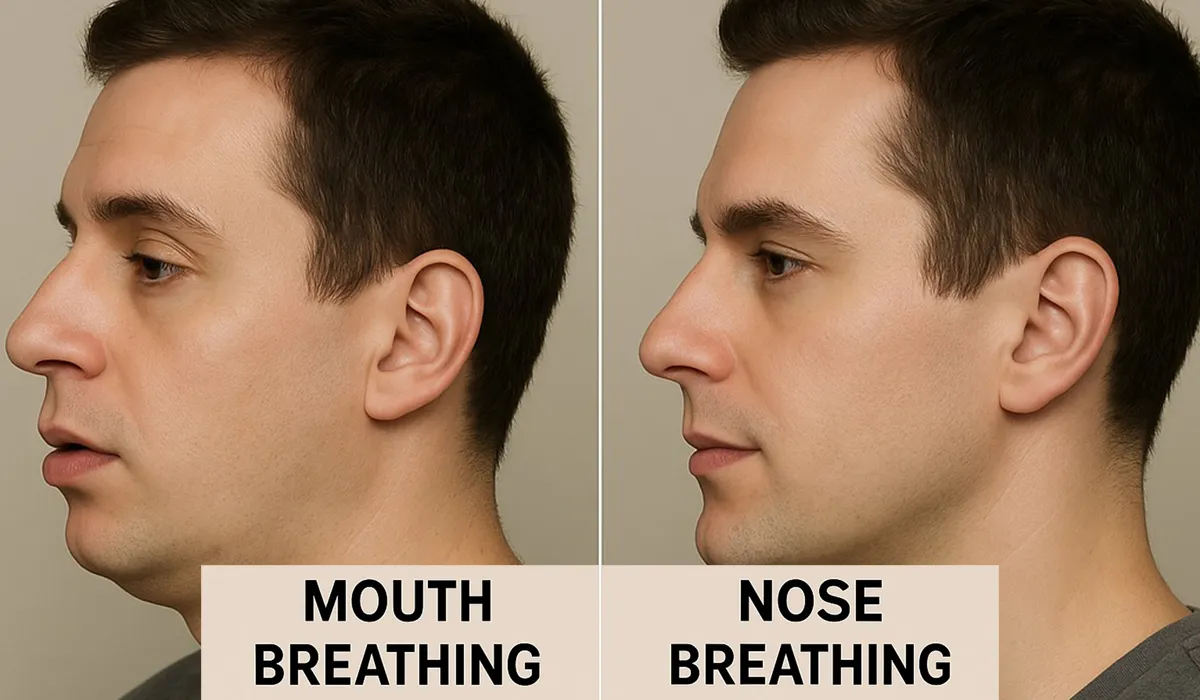
Breathing through the nose is the natural way the body is designed to function. When breathing shifts to the mouth and becomes a daily habit, it can affect more than just airflow. Over time, constant mouth breathing can influence how the face, jaw, and teeth develop. This pattern is often linked to what is commonly called mouth breather face.
Some families only become aware of this issue after dental evaluation by an orthodontist in Charlotte NC, when concerns arise about facial balance, jaw position, or bite development. Mouth breathing may appear harmless, but its long-term effects can shape facial structure in noticeable ways.
What Causes Mouth Breathing
Mouth breathing usually begins because nose breathing feels difficult. This can happen due to frequent allergies, chronic congestion, enlarged tonsils, or sinus problems. When the nose feels blocked, the body adapts by using the mouth to breathe.
If this continues for months or years, especially during childhood, the muscles of the face and jaw start adapting to this new pattern. Over time, these changes become part of normal posture.
What Does Mouth Breather Face Mean
Mouth breather face is a descriptive term rather than a diagnosis. It refers to facial features that may develop due to long term mouth breathing.
These features can include a longer facial appearance, a less defined jawline, and a chin that looks set back. Lips may remain open even when relaxed. The upper jaw may be narrow, leaving less space for teeth. The tongue often rests low in the mouth instead of touching the palate. This lack of support can affect how the upper jaw grows.
How Mouth Breathing Affects Teeth and Bite
Breathing through the mouth changes how muscles apply pressure to teeth. Over time, this imbalance can cause alignment problems. Crowded teeth, gaps, and bite issues are common. An open bite may form where the front teeth do not touch. Overbite problems may also develop. Dry mouth is another concern. Saliva protects teeth from decay. When the mouth stays open, saliva evaporates faster. This raises the risk of cavities and gum irritation.
Effects on Sleep and Daily Health
Mouth breathing often continues during sleep. This can disrupt airflow and reduce oxygen intake. Snoring becomes more likely. Poor sleep quality affects energy, focus, and mood. Children may appear restless or distracted. Adults may feel tired even after sleeping for many hours. Reduced oxygen intake can also place stress on the body. Over time, this affects overall wellness.
Can Orthodontic Treatment Improve the Condition
Orthodontic care can help address many effects linked to mouth breather face. Treatment focuses on guiding proper jaw alignment and improving dental structure. In some cases, the upper jaw is too narrow. Expansion appliances may be used to widen it. This can improve nasal space and support nose breathing. Braces or aligners help reposition teeth into healthier alignment. Correcting the bite reduces strain on the jaw muscles. An orthodontist also evaluates jaw posture and tongue position to ensure treatment supports long-term stability.
Addressing Breathing Habits Matters
Orthodontic treatment alone may not be enough if mouth breathing continues. Identifying and managing the cause is important. This may involve allergy management or addressing airway concerns. Encouraging nasal breathing helps maintain treatment results. Proper tongue posture also plays a role. When the tongue rests against the roof of the mouth, it supports healthy jaw positioning.
Why Early Attention Makes a Difference
Children benefit the most from early intervention. Their facial bones are still developing, making correction easier and more effective. Early treatment can guide facial growth in a balanced way. It may prevent more complex issues in the future. Adults can still see improvements. While bone growth is complete, orthodontic treatment can enhance function and appearance.
Long-Term Benefits of Proper Care
With the right approach, many changes linked to mouth breather face can be reduced. Facial balance may improve. Teeth align more comfortably. Breathing becomes more efficient. Better breathing often leads to improved sleep and energy levels. Oral health also benefits due to better saliva flow.
Final Thoughts
Mouth breather face develops gradually and is often overlooked. It is closely connected to breathing patterns, muscle function, and jaw development. Orthodontic care can help manage the effects and support a healthier facial structure. When combined with improved breathing habits, treatment can offer lasting benefits. Understanding this connection helps individuals take early action and protect long-term oral and overall health.

Comments