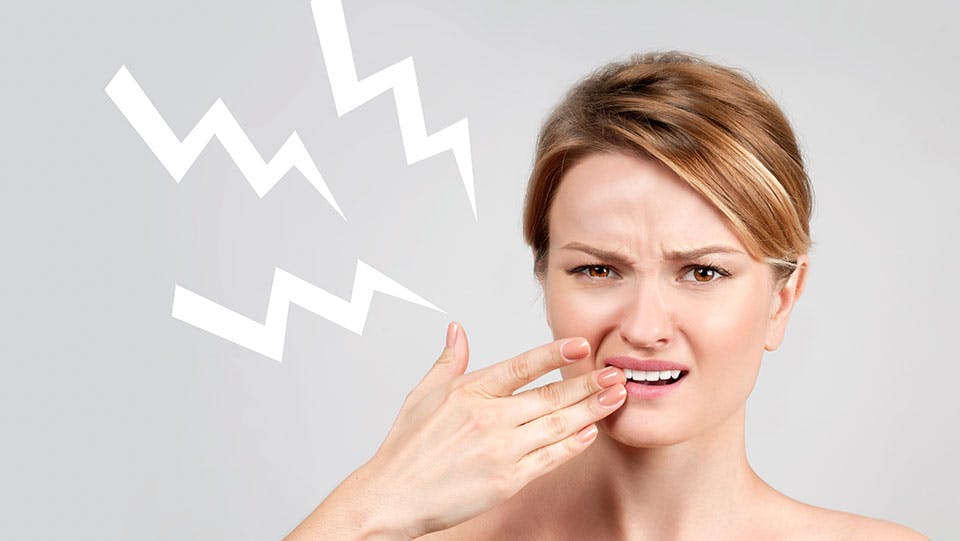
You just whitened your teeth and they look great. But now you are wincing every time you drink cold water or breathe in through your mouth on a chilly day. That sharp, zingy sensation is one of the most common side effects of teeth whitening, and while it is not dangerous, it can be genuinely unpleasant. I want to explain exactly why it happens, how long you can expect it to last, and what you can do to minimize the discomfort.
I see this in my practice regularly. Patients are thrilled with their whitening results but caught off guard by the sensitivity that follows. Understanding the mechanism behind it helps take away some of the worry.
What Causes the Sensitivity
Why do teeth hurt after whitening? The peroxide used in whitening products does not just sit on the surface of your enamel. It penetrates through the enamel layer and into the dentin underneath, which is the layer that contains microscopic tubes leading toward the nerve of the tooth. When peroxide reaches those tubules, it causes temporary inflammation and fluid movement within them. Your nerve interprets this as sensitivity or pain, particularly in response to temperature changes, cold air, or sweet foods.
This process is called transient pulpal inflammation, and despite how it sounds, it is not harmful to your teeth. The inflammation is temporary and resolves on its own as the tooth rehydrates and the peroxide byproducts dissipate. Think of it like how your skin might feel irritated after a strong exfoliating treatment; the underlying tissue is fine, but it needs a brief recovery period.
Higher concentrations of peroxide cause more sensitivity for most people. This is why in-office whitening, which uses the strongest formulations, tends to produce more noticeable sensitivity than over-the-counter strips with lower concentrations. Duration of exposure matters as well. Leaving whitening gel on longer than recommended increases the likelihood and intensity of sensitivity.
How Long It Typically Lasts
How long does sensitivity last after teeth whitening? For the vast majority of patients, sensitivity peaks within the first twenty-four to forty-eight hours after treatment and resolves completely within one to three days. Some patients experience it for up to a week, but this is less common and usually associated with higher-concentration treatments or pre-existing sensitivity issues.
I tell patients to plan for two to three days of noticeable sensitivity after professional whitening. For over-the-counter strips used over multiple days, sensitivity may come and go throughout the treatment period but should resolve within a few days of completing the course.
If sensitivity persists beyond ten days, or if it is severe enough that you cannot eat or drink normally, contact your dentist. Prolonged sensitivity after whitening can occasionally indicate an underlying issue that was not apparent before treatment, such as a small crack or early cavity that the peroxide penetrated.
Strategies That Actually Help
There are several evidence-based approaches to managing post-whitening sensitivity, and they range from products you probably already own to techniques you can apply during and after treatment.
Desensitizing toothpaste containing potassium nitrate is your best friend during this period. Potassium nitrate works by calming the nerve endings inside dentin tubules, reducing their ability to transmit pain signals. For best results, start using desensitizing toothpaste one to two weeks before your whitening treatment. This pre-treatment builds up protection in advance and significantly reduces the severity of post-whitening sensitivity.
You can also apply desensitizing toothpaste directly to sensitive teeth and leave it on for a few minutes before rinsing. Some patients apply a thin layer before bed and let it work overnight. This concentrated contact provides extra relief during the peak sensitivity window.
Avoid very hot and very cold foods and beverages for the first forty-eight hours after whitening. Room temperature water, lukewarm coffee, and avoiding ice cream for a couple of days makes a meaningful difference. The sensitivity is primarily triggered by temperature extremes, so moderating what you expose your teeth to during the recovery period reduces discomfort significantly.
Avoid acidic foods and drinks for the first day or two as well. Citrus, tomato sauce, soda, wine, and vinegar-based dressings can exacerbate sensitivity in freshly whitened teeth because the enamel is temporarily more porous after peroxide exposure.
What Your Dentist Can Do
If you are whitening professionally, your dentist has additional tools to manage sensitivity. Many offices apply a fluoride varnish or desensitizing gel immediately after in-office whitening treatment. These products seal the dentin tubules and provide a protective layer that reduces sensitivity onset.
For patients with custom take-home trays, your dentist may recommend alternating whitening sessions with desensitizing gel sessions. One night you wear the whitening gel, the next night you wear a desensitizing product in the same trays. This approach slows the whitening timeline slightly but makes the process far more comfortable.
If you have a history of sensitive teeth in general, not just from whitening, discuss this with your dentist before treatment. They may recommend a lower-concentration product, shorter application times, or a more gradual approach that produces results with less discomfort. There is almost always a way to whiten successfully while managing sensitivity; it just requires adjusting the protocol to your individual tolerance.
Preventing Sensitivity in Future Whitening Sessions
If you plan to maintain your whitening results over time with periodic touch-ups, knowing your sensitivity pattern helps you prepare. The two-week desensitizing toothpaste pre-treatment I mentioned is the single most effective preventive strategy. Building it into your routine before each whitening session dramatically reduces what you experience afterward.
Spacing touch-up treatments appropriately also matters. Whitening too frequently does not produce proportionally better results, but it does increase sensitivity risk. Most patients maintain excellent results with professional touch-ups every six to twelve months or brief strip applications every few months. More frequent than that is unnecessary and increases your chances of discomfort.
Maintaining good enamel health between whitening sessions supports comfort as well. Using fluoride toothpaste daily, avoiding excessive acidic food and beverage consumption, and addressing any cavities or areas of enamel erosion promptly all contribute to teeth that respond to whitening with minimal sensitivity.
The bottom line is this: sensitivity after whitening is normal, temporary, and manageable. It does not mean something went wrong. It simply means the whitening products did their job penetrating your enamel to break apart stains, and your teeth need a brief period to settle back to their baseline. With the right preparation and a few days of gentle care, the discomfort passes and you are left with a brighter, healthier-looking smile.

Comments