All Posts (5065)

Sort by

Many people feel nervous before a dental appointment. For some, it's more than just nervousness—it’s a deep fear known as dental phobia. This condition affects millions of adults and children. It causes people to avoid checkups, skip treatments, and live with pain simply because they fear the dentist.

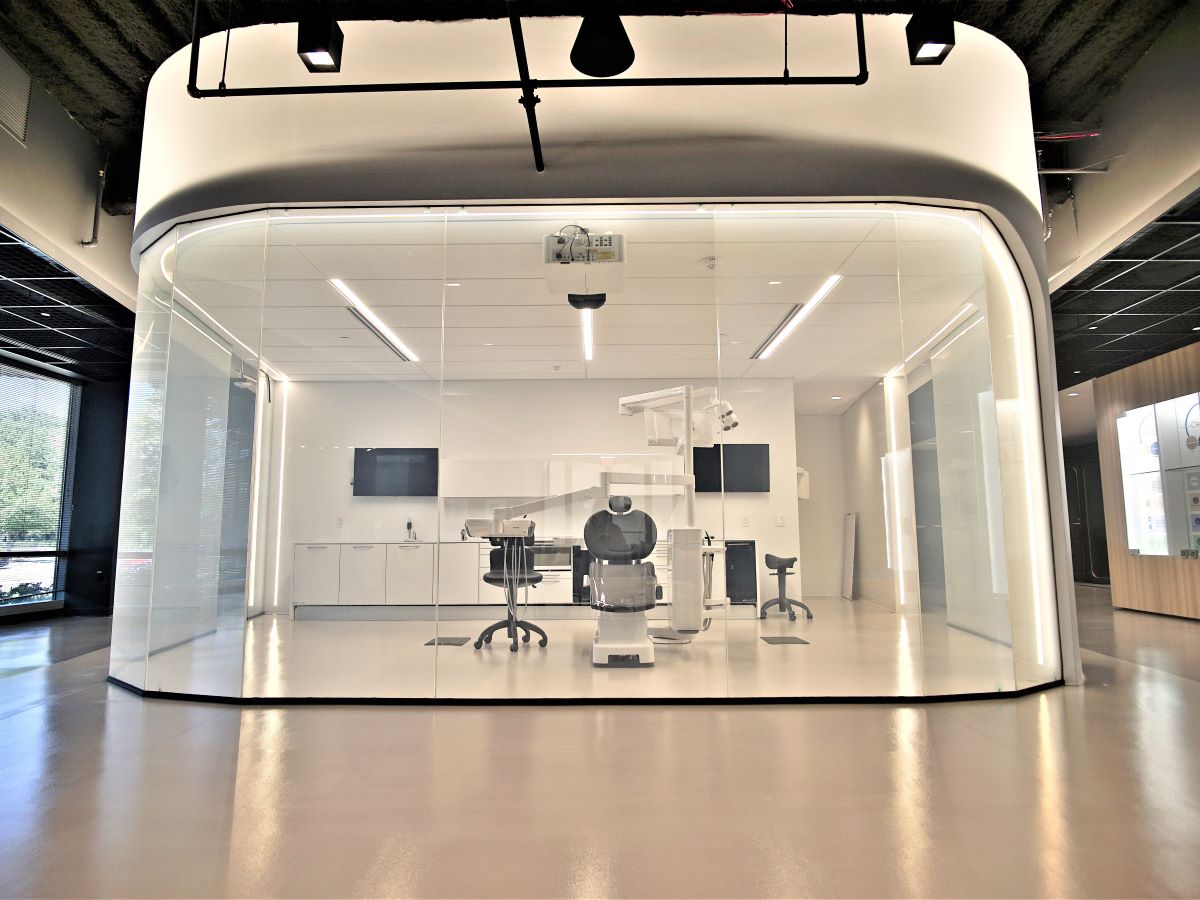
13676200099?profile=RESIZE_710x

But times have changed. Today, modern dental clinics are doing more than ever to help patients feel safe and calm. Through new technology, gentle communication, and personalized care, dentists are turning fear into trust.

Even specialists like an orthodontist in Colleyville, understand the importance of comfort. Many are redesigning their patient experience from the ground up to reduce anxiety at every stage.

Let’s explore how modern dental clinics are making visits easier for patients who struggle with fear.

Understanding Dental Phobia

Dental phobia isn’t just about being scared. It can involve panic attacks, trouble sleeping before appointments, or even physical illness at the thought of sitting in the chair.

This fear can come from:

  •  A bad past experience
  •  Fear of pain
  •  Discomfort with the sounds or smells at the clinic
  •  Embarrassment about dental health
  •  Fear of losing control

No matter the reason, avoiding dental care can lead to serious problems like infections, gum disease, or tooth loss. That’s why addressing this fear is so important—not just for comfort, but for long-term health.

How Modern Clinics Are Changing the Game

1. Warm, Welcoming Environment

The look and feel of a dental office matter more than you might think. Many clinics now offer cozy waiting areas with soft lighting, music, and even calming scents. This helps reduce stress before the appointment begins.

Some offices provide blankets, noise-canceling headphones, or TVs during treatment. The goal is to make patients feel more at ease, like they’re in a spa rather than a clinic.

2. Better Communication

Today’s dentists and orthodontists are trained to speak gently and clearly. They explain each step of the process so patients don’t feel surprised or overwhelmed.

Patients are encouraged to ask questions. If you feel uncomfortable at any point, you can signal the dentist to pause. Knowing you’re in control makes the experience feel safer.

3. Pain-Free Treatment Options

Fear of pain is one of the biggest reasons people avoid the dentist. Thankfully, technology has made dental procedures far more comfortable.

Clinics now use:

  •  Laser dentistry instead of drills
  •  Digital scans instead of messy impressions
  •  Topical numbing gels before using needles
  •  Gentle injection systems that reduce discomfort

These advances mean less pain, faster healing, and a better overall experience.

4. Sedation Dentistry

For patients with severe anxiety, sedation is a helpful option. It allows you to relax—or even sleep—during the procedure.

There are different levels of sedation:

  •  Nitrous oxide (laughing gas) for mild relaxation
  •  Oral sedatives taken before the visit
  •  IV sedation for deeper sleep-like states

Your dentist will discuss what’s safe and best for your needs. Many adults who avoided treatment for years are now receiving care comfortably thanks to sedation options.

5. Therapy and Emotional Support

Some clinics now offer emotional support before treatment. This may include:

  •  Breathing exercises
  •  Guided meditation
  •  Therapists trained in dental anxiety

They help patients understand their fear and slowly overcome it. Combining dental care with emotional care creates a more supportive experience.

6. Personalized Treatment Plans

Modern dental teams know that no two patients are alike. They take time to understand your concerns and build a plan that matches your comfort level. This may mean shorter appointments, slower pacing, or extra breaks during the visit.

Building trust with your provider is key. Searching for a caring orthodontist near me can help you find someone who understands your needs and will go at your pace.

Tips to Manage Dental Fear at Home

Here are a few things you can do before your visit:

  •  Schedule your appointment early in the day so you don’t stress all day.
  •  Bring a friend or family member with you.
  •  Listen to calming music on your way to the clinic.
  •  Practice deep breathing before and during your visit.
  •  Let the dental team know about your fears ahead of time.

You are not alone, and your comfort matters.

Final Thoughts

Dental phobia is real, but modern dentistry is changing to support every patient—especially those who are afraid. Clinics are now focused on more than just fixing teeth. They’re working hard to create calm, caring spaces where people feel heard and safe.

With pain-free tools, gentle communication, and emotional support, going to the dentist doesn’t have to be scary anymore.

If fear has kept you away from the chair for years, now is the time to take the first step. Your smile and your health are worth it.

Read more…

Tooth decay isn’t just a problem for kids. Adults also face the risk of cavities—especially in the early stages when there are little to no symptoms. The issue is that many adults ignore these signs, thinking they’re not serious. Yet, that small, discomfort-free spot has the potential to evolve into a serious dental problem if it is not treated.

13676199852?profile=RESIZE_710x

Understanding how early-stage tooth decay works can help you prevent future pain, save money, and protect your smile. Let’s break it down in simple terms.

What Is Early-Stage Tooth Decay?

Initial tooth decay occurs when the enamel, which is the hard outer layer of the tooth, begins to deteriorate. This weakening is typically a result of acids produced by plaque and bacteria. The acids wear down the enamel, creating soft spots that may turn into cavities if not treated early.

This stage is also known as incipient decay. It often appears as a white or chalky area on the tooth. There may not be any pain or visible holes at this point, which is why many adults don’t notice it.

Causes of Tooth Decay in Adults

Many things can lead to early tooth decay, including:

  •  Poor brushing and flossing habits
  •  Eating too many sugary or starchy foods
  •  Dry mouth caused by medications or aging
  •  Smoking or tobacco use
  •  Frequent snacking between meals

In some cases, overcrowded teeth or poor alignment can trap food and make cleaning harder. That's when adults might be referred to a specialist like an orthodontist in Cape Coral to correct misaligned teeth and improve oral hygiene access.

Signs You Might Have Early Tooth Decay

Since early decay doesn’t usually hurt, spotting it can be tricky. However, here are some signs to watch for:

  •  White or brown spots on the teeth
  •  Increased sensitivity to cold or sweet foods
  •  Rough areas when you run your tongue over the teeth
  •  Bad breath that doesn’t go away
  •  Bleeding gums (can be related to poor oral hygiene)

Even if these signs seem small, they should not be ignored. Regular dental checkups help catch problems before they get worse.

Why Early Detection Matters

The good news is that early tooth decay can be reversed if caught in time. Once the enamel breaks down completely and a cavity forms, a filling or crown may be needed. But if detected early, simple changes in your habits can stop decay and even rebuild some of the lost minerals in your enamel.

Delaying care often means more expensive and painful treatments later on. That’s why prevention is key.

Treatment Options for Early Tooth Decay

  1. Fluoride Treatment
    Dentists may apply fluoride to the affected tooth to help strengthen the enamel. Special toothpaste or mouth rinses may also be recommended for daily use.
  2. Improved Oral Hygiene
    Brushing twice a day with fluoride toothpaste and flossing daily is essential. Make sure to clean all surfaces of your teeth, especially near the gum line and between teeth.
  3. Dietary Changes
    Cutting down on sugary snacks and acidic drinks can slow down decay. Drinking more water and chewing sugar-free gum can help increase saliva, which naturally protects teeth.
  4. Dental Sealants
    In some cases, a dentist may apply a sealant to the tooth’s surface. This creates a barrier that protects against bacteria and food particles.

The Role of Regular Dental Checkups

Adults often skip dental visits until they feel pain, but by then, decay has usually progressed. Professional cleanings remove plaque that brushing can’t reach. Dentists can also use special tools to find early signs of decay before they become visible or painful.

Search for a trusted provider in your area by using simple terms like orthodontist near me or “dentist near me” online. Don’t wait until the damage is done. Early action can make a big difference.

Can Orthodontics Help Prevent Tooth Decay?

Yes. Crooked or crowded teeth can trap food and make brushing harder. This leads to plaque buildup and decay. Adults who never had orthodontic treatment earlier in life may still benefit from it.

Modern treatments like clear aligners or braces can help straighten teeth and improve oral hygiene. This lowers the risk of cavities, especially between the teeth. So, if your dentist suggests orthodontic care, don’t ignore it—your future smile may depend on it.

Final Tips to Protect Your Teeth

Here are a few daily habits that help fight early tooth decay:

  •  Brush with fluoride toothpaste twice a day
  •  Floss daily to remove food from between teeth
  •  Avoid frequent snacking, especially on sweets
  •  Drink plenty of water throughout the day
  •  Visit your dentist every six months, even if nothing hurts

Final Thoughts

Early-stage tooth decay is silent but serious. Many adults don’t realize they have it until it’s too late. But by learning the signs and taking preventive steps, you can avoid pain, fillings, and future dental bills.

Remember, healthy teeth don’t just happen—they need care, attention, and regular dental visits. Whether it’s improving your hygiene or correcting misalignment, it’s never too late to start. Your smile deserves it.

Read more…

How to Choose the Right Dental Practice Management Software in 2025

Selecting the right dental practice management software is one of the most impactful decisions you can make for your clinic. The right system can simplify scheduling, billing, charting, and patient communication, while the wrong one can slow you down, frustrate your team, and cost far more than expected.

With so many options available, it’s important to focus on how a system will work for your practice — whether you run a single location or manage a large network of providers. Here’s how to evaluate your options and choose a platform that truly supports your goals.

1. Cloud-Based vs. Server-Based Systems

In 2025, cloud-based software has become the go-to choice for many practices. It offers:

  • Access from any location with internet
  • Automatic updates and backups
  • No need for in-office servers

However, some dentists prefer server-based systems for more direct control over data and infrastructure. These can work well if you have strong IT support and want to keep everything in-house.

2. Focus on Ease of Use

Even the most advanced system will fall short if your team finds it frustrating or time-consuming to operate. Look for:

  • A simple, intuitive interface
  • Easy navigation between key functions
  • Minimal training required to get started

Platforms like Open Dental and Curve Dental are often highlighted for their straightforward design, making adoption easier for new users.

3. Check Integration Capabilities

Your practice management system should work smoothly with your existing tools — from imaging equipment to billing software and e-prescriptions.

Ask yourself:

  • Will it integrate with what we already have?
  • Are there additional costs for certain integrations?
  • Can it replace tools we’re currently paying for?

4. Evaluate Clinical and Administrative Features

At the very least, your system should cover:

  • Scheduling and recall management
  • Charting and treatment planning
  • Billing and insurance claims
  • Patient communication tools

Some platforms also include:

  • Analytics and reporting
  • Automated reminders
  • Digital forms and e-signatures
  • AI-assisted imaging

Create a priority list so you know exactly what’s essential before you start comparing platforms.

5. Review Support and Training Options

Even the most intuitive software can require assistance at times. Before committing, find out:

  • How onboarding is delivered (self-paced, virtual, or in-person)
  • Whether live phone or chat support is available
  • If training is included or comes at an extra cost

6. Plan for Scalability

Your software should be able to grow with your practice — whether that means adding new providers, expanding services, or managing multiple locations.

Some systems, like Denticon and CareStack, are designed for multi-location practices, while others are better suited for smaller, single-office operations. Choose a platform that won’t limit you as your business evolves.

See the Top 10 Dental Practice Management Systems for 2025

Once you know what you’re looking for, you can compare specific options with confidence. We’ve compiled a detailed guide to 10 of the best dental practice management systems— including well-known names like Dentrix and Eaglesoft, plus innovative cloud-first platforms like tab32 and Curve Dental.

Read more…

A bright, confident smile can help you change the way you feel about yourself. Maybe your teeth are chipped, discolored, or may have slight or minor misalignment. In this case, porcelain veneers can be a reliable method to help you get that smile back. The dentist provides exceptional porcelain veneers more affordably than ever. If you want a dentist's office near you that is professional, affordable, and of high quality, discover what NYC Porcelain veneers can do for you.


What Are Porcelain Veneers?

Porcelain veneers are ultra-thin shells designed to cover the front surface of your teeth. Crafted from high-quality dental porcelain, these veneers are custom-made to match the shape, size, and color of your natural teeth. The result? A flawless, radiant smile that looks and feels authentic.


In NYC, porcelain veneers are becoming increasingly popular due to their durability and natural appearance. Patients who visit a reputable smile studio often leave with results that are both stunning and long-lasting.


dentist-new-york-city-scaled-1-1024x683.jpg


Why Choose NYC for Your Veneers?

Some of the most modern cosmetic dentistry clinics are in New York City. There are several affordable dentists found here that have a modern treatment facility with a wide range of affordable services that suit the needs and pocket. It does not matter whether you are looking to get your entire smile restored or simply fixing a couple of teeth, the porcelain veneers experts in NYC will take care of you, and with outstanding results.


A significant advantage of receiving veneers in the city is that you may have access to extremely skilled practitioners who are using the newest digital imaging and smile design technology. This implies that you will be able to see what your new smile will be like without putting any work on it so that the end result matches those expectations perfectly.


Finding the Right Smile Studio

There is no need to get lost when trying to find a competent smile studio in New York. Seek out dentists in clinics that have good reviews, open prices, and quality cosmetic dentists. There are lots of nearby dentist office, which provide initial consultations and where you can see the options and talk about your goals and the possibilities of treatment, in terms of financing it locally as well so it does not cost you as much.


dentist-new-york-2-scaled-1-1024x683.jpg 

It is also nice to know whether the dentist has high grade porcelain materials and has reliable dental labs. This will not just make your veneers appear natural but will also serve you many years down the line so long as they are properly maintained.


Affordability and Accessibility

Others feel that porcelain veneers are not achievable because they are expensive. Nevertheless, the perception is changing with affordable dentists NYC working on the change. And whether it is availability of flexible payment plans, or competitive prices, a beautiful smile is not costing patients any more.


Visiting the dentist office frequently and follow-ups also helps to save time and traveling expenses by selecting a nearby dentist office.


Transform Your Smile Today

Your smile plays an important role in your self esteem, personal relationship, and even professional success. If you have been dreaming of a brighter, more symmetrical smile, now is the perfect time for you to explore porcelain veneers NYC. With the help of skilled professionals at a trusted smile studio, you can enhance your appearance and regain your confidence without compromising on quality or budget.

Read more…

If you’ve ever wondered how some dental practices manage to collect hundreds of glowing Google reviews while yours seem stagnant, you’re not alone. Many dentists struggle with boosting their online reputation, despite trying different approaches like QR codes or automated review requests. But here’s the truth: it’s not about shortcuts.

The best dental practices use a simple, consistent system for gathering reviews — and you can do the same.

Here’s how to build a review system that works for your practice.


Why Google Reviews Matter

Google reviews aren’t just a nice-to-have; they’re essential. In fact, they can be the deciding factor for patients choosing between practices.

  • Patients trust reviews: Studies show that 88% of consumers trust online reviews as much as personal recommendations.

  • Boost your local SEO rankings: Google uses reviews as a key ranking factor for local searches, so the more reviews you have, the more visible you become.

  • Build trust quickly: A practice with a high number of positive reviews will attract more clicks on Google, increasing the likelihood of booked appointments.


The Key Mistakes Most Dentists Make

If you’ve tried boosting your reviews with things like QR codes or email follow-ups and seen little success, you’re not alone. Many dental offices make the same mistakes:

  • QR codes at the front desk: While this seems like a convenient option, it’s passive and impersonal, which means patients are less likely to engage.

  • Over-automation: Automated review requests can feel like mass emails, which patients quickly ignore. These lack the personal touch that leads to higher response rates.

  • Asking at the wrong time: Asking for a review during checkout when patients are distracted is less effective. Timing matters.

  • No consistency: Without a clear process, review collection becomes inconsistent or forgotten altogether.


What the Top 10% of Practices Do Differently

The top dental offices have figured out a formula that works. Here's what sets them apart:

1. Ask at the Right Moment

The best time to request a review is right after a positive treatment experience. For instance, after a cleaning or cosmetic treatment when patients are feeling happy and confident about their results. Catch them while they’re still smiling!

2. Make it Personal

The most effective review requests come from someone the patient trusts. Whether it’s the dentist or a hygienist, a face-to-face request feels genuine. A simple script like: “I’m so glad you’re happy with today’s treatment! If you have a moment, would you mind leaving us a Google review? It really helps others find us and we’d truly appreciate it.”

3. Make it Easy

The easier you make it, the more likely your patients are to leave a review. Instead of asking them to search for your Google profile, send them a direct link. This minimizes friction and makes it quick and simple for them to leave feedback.

To get your direct review link:

  • Google your practice

  • Click "Write a Review"

  • Copy the URL

  • Shorten it using Bit.ly for easy access

Send the link before they leave the office, ideally via text or email.

4. Systematize the Process

Review requests should be part of your daily routine, not a last-minute afterthought. Train your team on when and how to ask. Whether it’s the dentist, hygienists, or front desk staff, everyone should know what to say and when to ask. This consistency ensures reviews are collected regularly.

5. Engage Your Team

High-performing dental practices make review collection a team effort. You can track progress on a whiteboard, set weekly goals, or even run friendly competitions with small incentives. Keeping the energy up helps everyone stay engaged in the process.


Bonus Tips for Even More Reviews

  • Incentivize your team (not patients): You can reward your staff for collecting reviews, but avoid offering incentives directly to patients as it violates Google’s policies.

  • Respond to every review: Thanking patients for positive feedback and addressing negative reviews shows you care and boosts your visibility.

  • Monitor competitors: Keep an eye on how many reviews your competitors are getting and how often. This helps you set realistic review goals.

  • Keep reviews fresh: Aim for 2–4 new reviews per week to maintain momentum and stay visible in Google’s search results.


The Bottom Line

If you want your practice to stand out in a crowded market, Google reviews are a powerful tool. By following a simple, repeatable process, you can consistently collect reviews that boost your rankings, build trust with potential patients, and ultimately lead to more booked appointments.

Focus on asking at the right time, using the right words, and making the process easy — and watch your Google reviews grow week after week.

Read more…

If you are searching for affordable dentures & implants near me, you’re not alone. Many people face tooth loss due to age, accidents, or dental issues, and dentures are a reliable and cost-effective solution. Thankfully, there are many options available today that not only restore your smile but do so without breaking the bank. Whether you’re looking for cheap dentures near me, discount dentures, or a trusted family dental clinic, this guide can help you make the best choice for your oral health and your budget.


Why Choose Affordable Dentures?

Dentures are a good choice for a person who has lost some or all the teeth. Not only do they make you look better but also speak and chew better. The cheap dentures do not imply that there is any loss in quality. Advances in dental technologies and increased streamlining of the process have caused many dental clinics to be more cost-efficient in providing high-quality materials. Even when you get partial or full dentures they can now be obtained at an affordable cost.


Finding Cheap Dentures in Your Area

Begin by going online and seeking economical denture sites close to me. A lot of the dental practices are specializing in low-cost kinds of services. Such clinics tend to organize promotional offers or cooperate with financial plans which allow patients to receive the necessary care more easily. You can also choose a clinic that provides both quality and cheapness by reading reviews of other patients and viewing their pre and after pictures.


Where to Find Affordable Dentures Near You

Start by searching online for affordable dentures locations near me. Nowadays numerous dental clinics are focused on affordable treatment. Such clinics will have promotions or deal with financial programs so it becomes easier to get the care that they require. You can also choose a clinic that offers both quality and affordable products by reading ratings of the other patients and by comparing pre-and post pictures.


Cheap Dentures Near Me: What to Look For

When looking for cheap dentures near me, don’t just focus on the price tag. It’s important to ensure that the clinic uses reliable materials and follows proper fitting procedures. Poorly made dentures can lead to discomfort, sore spots, and a less natural appearance. Look for clinics that offer warranties or follow-up adjustments, as these are signs that they care about the long-term satisfaction of their patients.


 Also, consider asking if the clinic offers package deals or financing options. Some places allow you to pay in installments, which makes even higher-end dentures more accessible over time. These types of discount dentures can save you both money and trouble.


Affordable Dentures & Implants: A Modern Solution

Dental implants might be your solution, especially when you are dealing with a few missing teeth or want a more secure solution than the adaptation of the traditional dentures. Affordable dentures & implants near me has been an emerging search query as patients today are gaining awareness of the fact that implants offer stability and come with a realistic appearance. Combination packages are provided in some clinics where dentures are held by implants, this is affordable and convenient.


Although generally implants cost more initially, a number of clinics now have mini-implants or loan schemes, so it is affordable to more individuals.


The Family Smiles Advantage

It is common to have many patients visiting practices such as Family Smiles that can serve everyone of different age groups under one roof. These clinics are usually very affordable and discounts will be offered in case a couple of family members require care. They are also highly recommended in terms of compassionate and gentle service and, therefore, are among the favorites of the seniors and young patients.


Final Thoughts

It has now become much easier to find cost effective dentures and implants in your local community. Whether it is low cost dentures available near me or established such as family smiles, the choices are wide and numerous. All you should do is to pay attention to the reputation, provided services and open prices of the providers.


A confident, healthy smile shouldn't be a luxury, it should be accessible to everyone. Start your journey today and discover how affordable your new smile can truly be.

 
Read more…

A smile makeover is often viewed as a cosmetic procedure, but its impact extends far beyond appearance. A comprehensive smile makeover can improve confidence, restore oral function, and even contribute to better overall health. As cosmetic dentistry continues to evolve, treatment plans have become increasingly personalized, allowing dentists to address both esthetic and functional concerns simultaneously.

Here are seven reasons why smile makeovers continue to be one of the most rewarding treatments in modern dentistry.

1. Confidence Begins with a Smile

The psychological benefits of an improved smile should never be underestimated. Numerous studies have demonstrated the relationship between smiling, self-confidence, and social interaction. Patients who have avoided smiling because of chipped, stained, or worn teeth often report significant improvements in confidence after treatment.

As cosmetic dentists, we frequently witness transformations that extend well beyond the oral cavity. Restoring a patient's willingness to smile naturally can positively influence both personal and professional interactions.

2. Multiple Concerns Can Be Addressed Simultaneously

Unlike individual cosmetic procedures, a smile makeover evaluates the smile as a whole. Treatment may combine several techniques to correct:

  • Tooth discoloration
  • Chipped or fractured teeth
  • Worn dentition
  • Diastemas
  • Mild malalignment
  • Uneven gingival architecture
  • Missing teeth

Depending on the patient's needs, treatment may include porcelain veneers, ceramic crowns, professional whitening, composite bonding, orthodontics, implant dentistry, or periodontal therapy.

3. Modern Smile Design Is Highly Personalized

One of the greatest advances in cosmetic dentistry has been the movement away from standardized "Hollywood smiles."

Today's smile design emphasizes harmony with the patient's facial proportions, lip dynamics, age, skin tone, and personality. Successful cosmetic treatment should enhance natural beauty rather than overpower it.

Digital photography, facial analysis, and digital smile design have greatly improved communication between dentists, laboratories, and patients while allowing treatment plans to be customized with remarkable precision.

4. Function Is Just as Important as Esthetics

The most successful smile makeovers improve function as well as appearance.

Occlusal discrepancies, worn dentition, missing teeth, and unstable bites may contribute to continued restorative failure if left untreated. Addressing these functional concerns during cosmetic treatment often improves chewing efficiency, speech, long-term restorative success, and patient comfort.

A beautiful smile should also be a healthy, functional one.

5. Facial Aging Can Be Minimized

Cosmetic dentistry plays an increasingly important role in facial rejuvenation.

Years of tooth wear may shorten the vertical dimension of the smile, while discoloration and worn incisal edges contribute to an older appearance. Restoring proper tooth proportions and improving smile support can create a noticeably more youthful look without appearing artificial.

Many dentists now incorporate facial aesthetic procedures such as neuromodulators and dermal fillers to complement restorative treatment and achieve improved facial harmony.

6. Technology Has Elevated Predictability

Advances in digital dentistry have transformed smile makeover planning.

Modern technologies including intraoral scanners, digital photography, CAD/CAM restorations, and digital smile simulations, allow clinicians to diagnose more accurately while giving patients a clearer understanding of expected outcomes before treatment begins.

Improved ceramic materials also provide exceptional esthetics while maintaining excellent durability and longevity.

7. A Long-Term Investment in Oral Health

While cosmetic improvements are often the initial motivation, smile makeovers frequently produce long-term health benefits.

Replacing failing restorations, restoring damaged teeth, correcting occlusal problems, and improving periodontal health all contribute to maintaining the dentition for years to come. With appropriate maintenance and regular preventive care, many cosmetic restorations provide excellent long-term service.

Final Thoughts

A successful smile makeover is much more than a cosmetic enhancement. It represents a comprehensive approach that combines restorative dentistry, esthetics, function, and facial harmony to improve both oral health and quality of life.

As treatment planning continues to become more digital and personalized, cosmetic dentistry offers patients increasingly conservative and predictable solutions for achieving natural-looking, long-lasting results.


About the Author

Marielaina Perrone, DDS is a cosmetic, restorative, and implant dentist practicing in Henderson, Nevada. With more than 25 years of clinical experience, she focuses on comprehensive smile31198730665?profile=RESIZE_710x rehabilitation, minimally invasive cosmetic dentistry, dental implants, and facial aesthetics. Dr. Perrone is committed to lifelong learning and enjoys educating both patients and colleagues through professional publications on cosmetic dentistry, oral health, and emerging dental technologies.

Website: https://drperrone.com

Practice: Henderson, Nevada, USA

Read more…

A confident smile can transform your entire appearance. Over time, however, factors like coffee, tea, red wine, tobacco use, and even natural aging can discolor teeth. Thankfully, modern cosmetic dentistry offers effective solutions to bring back your pearly whites. If you are searching for the best teeth whitening NYC has to offer, you are in the right place. From in-office treatments to advanced laser teeth whitening near me, New York offers a variety of ways to restore your smile.


Why Choose Professional Teeth Whitening in NYC?

Drugstore strips and toothpaste may be effective at whitening teeth, but can never give as drastic a change as a professional treatment. The dental professionals oversee teeth whitening in NYC, which is customized to your requirements. This makes the results improved, safe, and much more comfortable.


New York City has the best-rated dental clinics to provide the latest dental whitening technologies. Such treatments are more effective, quicker, and prolonged than those available at home. Professional whitening is a sure-fire way to prepare you to look your best prior to a special event or to get an ordinary day makeover, as well.

 The Rise of Laser Teeth Whitening in NYC

One of the most popular advancements in cosmetic dentistry is laser teeth whitening NYC residents love. This method is observed with the assistance of a unique kind of light-energized gel, along with laser energy to linearize the whitening operation. The result? Whiter teeth on one visit.


Laser whitening near me is preferred by many patients since the effects of the procedure are visible quickly and are not associated with any invasive nature. It is ideal for those who are on the move, particularly in one of those cities that do not sleep. The length of the sessions is usually less than one hour, and you are able to observe immediate visible before and after results.


Low sensitivity is another significant advantage. Laser whitening does not disturb the enamel (compared to ancient ways of bleaching teeth) and does not exert enough pressure to be painful after the procedure. It is one of the numerous reasons why it is regarded as one of the outstanding teeth whitening NYC solutions.


Where to Find Laser Whitening Services Near You

When you search laser teeth whitening near me on the Internet, you will probably find numerous dental locations in Manhattan, Brooklyn, Queens, or whichever corner of New York that offer ultramodern laser teeth whitening systems. Find specialists in cosmetic dentistry with good reviews from patients.


Always ask the dentist whether laser whitening will serve you. People wearing crowns and dental veneers or having dental restorations may need to use other modalities to attain even effects. A dental assessment will assist in drafting the ideal whitening program to suit your specialized requirements.


What to Expect After Your Whitening Session

Once you have been to a teeth whitening NYC clinic, you would not want to lose your newly acquired, white smile. At least 48 hours after treatment, avoid foods and drinks that stain, such as coffee and red wine. Use an extended results toothpaste containing whitening to maintain it, and make appointments with your dentist.


Take-home whitening kits provided by many clinics will also affect your results on future dates. Using laser treatment in the office and at-home care occasionally will provide you with long-term brightness without frequent visits to the clinic.


Smile with Confidence

Choosing a professional whitening treatment is a step toward feeling more confident in your smile. Whether you are looking for NYC teeth whitening or specifically laser teeth whitening NYC options, the city offers world-class dental services for every need. A brighter smile is just an appointment away.

Read more…

file_facial-asymmetry-orthodontics-national-orthodontists.jpg

Facial appearance is important to many people. A proportionate face and a clearly defined jawline can substantially boost a person's confidence. While the common perception is that orthodontic treatment is limited to teeth straightening, it encompasses much more than that. It can change how your face looks and how your jawline forms.

If you’ve ever spoken with an orthodontist in Tallahassee FL, they may have explained how braces or aligners can improve both function and facial harmony. Let’s dive into how orthodontic treatment can affect your facial structure.

What Is Facial Symmetry?

Facial symmetry means that both sides of your face look alike or balanced. Most people do not have perfectly symmetrical faces, and that’s completely normal. However, too much imbalance can affect appearance and even lead to health issues.

Problems like an uneven jaw, crooked teeth, or poor bite alignment can make the face look lopsided. Orthodontic treatment can help bring better balance to your facial features.

How Does Orthodontic Treatment Help?

Orthodontics works by slowly moving the teeth and adjusting the bite. Eventually, this also has an effect on the jaw and facial muscles. Let’s look at some ways it helps:

1. Improves Jaw Alignment

A misaligned jaw can affect the way you chew, speak, and smile. Treatments like braces or clear aligners help position the jaw properly. When the jaw is aligned, the chin and lower face look more balanced.

2. Corrects Overbites and Underbites

These are common issues that change the way your face looks. An overbite can make the chin appear small or weak. An underbite can result in the lower jaw extending outward. Orthodontic treatment corrects these bite issues and gives the face a more natural shape.

3. Balances the Midface

When teeth are too crowded or spaced too far apart, they affect the middle part of the face. Adequate spacing can improve the aesthetic of the cheeks and upper lip. This helps create a smoother and more youthful facial appearance.

Impact on Jawline Development

The jawline is one of the most noticeable parts of the face. A strong, defined jawline is often considered attractive. But crooked teeth or a poor bite can cause the jaw to develop unevenly.

Orthodontic treatments guide the jaw’s growth in the right direction. This is especially helpful for children and teenagers, as their bones are still growing. Early treatment can lead to better jawline structure in the future.

Even in adults, correcting the bite can improve the jaw’s function and appearance. You may notice that your chin looks more defined after treatment. That’s because the facial muscles and bones are now better aligned.

How Invisalign Helps with Facial Balance

Modern orthodontics offers more than just metal braces. Many people today choose clear aligners like Invisalign in Tallahassee. These trays are custom-made to fit your teeth and gently shift them into place.

Invisalign can also affect facial structure just like traditional braces. Since the aligners are designed to correct your bite and tooth position, they also help in reshaping your jawline and improving symmetry. And because they are removable and nearly invisible, many adults prefer this option.

Why Timing Matters

The earlier you start orthodontic treatment, the better the results. For children and teens, early treatment can guide facial development before the bones fully grow. This means better jaw alignment, straighter teeth, and improved facial balance in the long run.

However, it’s never too late. Adults can also benefit from orthodontic treatment. With advanced tools and personalized plans, orthodontists can correct many issues at any age.

Other Benefits of Facial Symmetry

Improving facial balance isn’t just about looks. It also helps your health. A well-aligned jaw makes it easier to chew, speak, and even breathe better. It can reduce strain on jaw joints and prevent issues like TMJ (temporomandibular joint disorder).

Also, when your teeth and jaws are aligned, your smile looks better—and that’s a confidence booster.

Final Thoughts

Orthodontic treatment does more than straighten your teeth. It plays a big role in how your face and jawline look. By correcting the bite, aligning the jaw, and improving tooth position, it helps you achieve a more balanced and attractive face.

If you’ve been thinking about orthodontic care, talk to a dental expert. A skilled orthodontist will guide you on the best treatment based on your age, bone structure, and goals.

Whether you choose braces or Invisalign, the right treatment can improve not just your smile—but your entire facial appearance.

Read more…

Not everyone feels comfortable showing their braces while fixing their smile. That’s where lingual braces come in. Often termed "hidden braces," lingual orthodontics provides a state-of-the-art solution for people wishing to achieve straighter teeth without the use of visible wires or brackets.

img-35.jpg

These braces are attached to the rear of your teeth, rather than being in front like conventional braces. That makes them almost invisible when you smile or talk.

Let’s understand how lingual orthodontics works and what you should know before choosing it.

What Makes Lingual Braces Different?

Lingual braces are affixed to the posterior aspect of your teeth, known as the "lingual" side. That’s why they stay hidden when you speak, smile, or laugh.

They use wires and brackets, just like regular braces. The difference is only in placement. So, they work effectively without being seen.

If you’re exploring less-noticeable options for teeth straightening, an orthodontist in San Antonio may suggest lingual braces for both aesthetic and functional results.

Who Can Benefit from Hidden Braces?

Lingual braces are ideal for:

  • Adults who prefer a professional appearance
  • Teens worried about visible braces
  • People active in sports or public speaking
  • Those allergic to plastic aligners

However, not all dental problems are suitable for lingual treatment. Complex bite issues or very small teeth may not respond well. That’s why an evaluation is necessary.

Advantages of Lingual Orthodontics

There are several reasons why patients choose hidden braces:

Discreet Appearance
No one will know you’re wearing braces unless you tell them.

Effective Results
Lingual braces can treat crowded teeth, gaps, overbites, and more.

No Risk of Front-Side Damage
Because they’re placed behind the teeth, there’s less risk of damaging visible enamel.

Customized Design
These braces are custom-made to fit the shape of your teeth perfectly.

Are There Any Challenges?

Yes, there are a few things to consider:

 Speech Adjustment
At first, you may notice a slight lisp. This usually improves after a few weeks.

Tongue Discomfort
Since the brackets are near your tongue, they may feel rough. Orthodontic wax can help with this.

Cleaning Takes More Time
You'll need to brush and floss carefully to avoid plaque buildup behind your teeth.

Slightly Higher Cost
Lingual braces often cost more due to their custom fit and hidden placement.

Lingual Braces vs. Invisalign

Both lingual braces and Invisalign are great for people who want invisible treatments. But they’re quite different.

Invisalign in San Antonio is a popular choice for people who want to remove their aligners while eating or brushing. Invisalign trays are clear and comfortable, but they must be worn 20–22 hours a day.

Lingual braces, on the other hand, stay fixed. This is great for people who might forget to wear removable aligners regularly.

If your dental case is complex, lingual braces may give more precise control. Your orthodontist will recommend the best option based on your needs.

What to Expect During the Treatment

Here’s a simple breakdown of the process:

Consultation
Your orthodontist examines your bite and takes digital scans of your teeth.

Custom Design
The brackets are made to match the exact shape of the back of your teeth.

Fitting the Braces
Once ready, the braces are bonded behind the teeth. Adjustments will follow during regular visits.

Treatment Time
The length depends on how severe your case is. Most treatments last 18 to 30 months.

How to Take Care of Hidden Braces

Oral hygiene is extra important when wearing lingual braces. Here are some tips:

  • Use a soft toothbrush and fluoride toothpaste
  • Rinse with mouthwash to reduce bacteria
  • Floss daily using a floss threader or water flosser
  • Avoid sticky or hard foods that can damage wires

You’ll also need to visit your orthodontist regularly to monitor progress and make adjustments.

Final Thoughts

Lingual orthodontics gives you the power to straighten your teeth without anyone noticing. It’s perfect for adults, teens, or anyone who wants a low-visibility treatment with full results.

If you’ve been thinking about getting braces but feel unsure about how they’ll look, hidden braces may be the perfect fit. Talk to a skilled orthodontist to find out if this discreet option works for your smile goals.

Remember, orthodontic care isn’t just about looks. It improves your bite, boosts your confidence, and helps maintain better oral health for life.

Read more…

The popularity of Botox® and dermal fillers continues to grow as more patients seek minimally invasive ways to refresh their appearance. With so many providers now offering facial aesthetic treatments—from medical spas to physicians' offices and dental practices. Patients are often left wondering how to choose the right injector.

The answer involves much more than comparing prices or finding the closest office. Experience, anatomical knowledge, and artistic judgment all play significant roles in achieving safe, natural-looking results.

Look Beyond Price

While everyone appreciates value, cosmetic injections are not a service where the lowest price should drive the decision.

Discounted treatments may reflect limited experience, diluted products, or shortcuts in patient evaluation. Instead, patients should focus on qualifications, safety protocols, and the provider's track record.

As with any healthcare procedure, quality and expertise matter far more than a temporary promotion.

Experience Matters

Botox and dermal fillers require a detailed understanding of facial anatomy, muscle movement, and aging patterns.

An experienced injector recognizes how small changes can influence the overall balance of the face. Rather than simply treating wrinkles, skilled providers evaluate facial proportions, symmetry, and each patient's unique goals.

Natural-looking results are rarely the product of chance. They're the result of careful planning and precise technique.

Ask About Training

Patients should feel comfortable asking about a provider's education and experience with facial aesthetic procedures.

Questions worth asking include:

  • What formal training have you completed?
  • How often do you perform injectable treatments?
  • Do you participate in continuing education?
  • Can you discuss realistic expectations and potential risks?

Experienced providers welcome these conversations because informed patients make better decisions.

Never Skip the Consultation

A comprehensive consultation is one of the most important parts of treatment.

During this appointment, providers should:

  • Review medical history
  • Discuss cosmetic goals
  • Evaluate facial anatomy
  • Explain treatment options
  • Review risks and expected outcomes
  • Develop an individualized treatment plan

Patients should never feel pressured to proceed with treatment immediately.

Understand the Difference Between Botox and Dermal Fillers

Although they are often mentioned together, Botox and dermal fillers serve different purposes.

Botox relaxes targeted muscles responsible for dynamic facial wrinkles such as forehead lines, frown lines, and crow's feet.

Dermal fillers restore volume lost through aging and can enhance facial contours including the lips, cheeks, chin, and jawline.

Many patients benefit from a combination of both treatments, but determining the appropriate approach requires a personalized evaluation.

Why Dentists Are Well Qualified to Perform Facial Aesthetic Procedures

Many patients are surprised to learn that dentists are uniquely trained in facial anatomy.

Dental education includes extensive study of the muscles, nerves, blood vessels, and skeletal structures of the head and neck. Cosmetic dentists also spend their careers evaluating facial proportions, lip support, smile design, and overall facial harmony.

"Facial aesthetics and cosmetic dentistry naturally complement one another," says Dr. Marielaina Perrone. "When we improve the smile, we also consider how the lips, facial contours, and expressions work together to create balanced, natural-looking results."

For dentists who have completed advanced training in facial injectables, this background provides an excellent foundation for delivering safe, precise treatment.

Choose Someone You Trust

Ultimately, selecting a cosmetic injector should come down to more than credentials alone.

Patients should look for someone who:

  • Listens carefully
  • Communicates honestly
  • Prioritizes natural-looking results
  • Develops individualized treatment plans
  • Places patient safety above all else

The best cosmetic outcomes often go unnoticed—not because they are ineffective, but because they simply look like a refreshed, well-rested version of the patient.

Final Thoughts

Cosmetic injectables continue to offer patients an effective, minimally invasive way to soften the signs of aging and enhance facial harmony. Choosing a qualified provider with extensive anatomical knowledge, ongoing education, and an artistic approach helps maximize both safety and satisfaction.

Whether treatment is performed by a dermatologist, plastic surgeon, or appropriately trained dentist, patients should seek a provider who values education, personalized care, and natural-looking results above all else.


About the Author

Marielaina Perrone, DDS, is a cosmetic, restorative, and implant dentist practicing in Henderson, Nevada. In addition to comprehensive cosmetic dentistry, she has advanced training in facial aesthetics, including Botox® and dermal fillers. Dr. Perrone enjoys educating patients and colleagues through professional publications on cosmetic dentistry, facial aesthetics, oral health, and emerging dental technologies. She is committed to helping patients achieve healthy, confident smiles through personalized, evidence-based care.

31198731476?profile=RESIZE_710x

Read more…

As non-surgical facial rejuvenation continues to grow in popularity, two treatments consistently lead the way: Botox® and dermal fillers. Both can soften the signs of aging, enhance facial features, and deliver noticeable results without surgery or lengthy recovery times. Yet despite their popularity, many patients are unsure which treatment is right for their concerns.

The truth is that Botox and fillers are not interchangeable. They work in completely different ways and address different aspects of facial aging. Understanding these differences is the first step toward choosing the treatment—or combination of treatments—that will help you achieve natural, refreshed results.

Understanding Facial Aging

Aging affects the face in several ways. Over time, repetitive facial expressions create dynamic wrinkles, while the gradual loss of collagen, elastin, fat, and bone support leads to volume loss, sagging, and deeper folds.

Because these aging processes occur simultaneously, successful facial rejuvenation often requires treating both muscle activity and volume loss.

"The goal isn't to change how someone looks—it's to help them look like a more refreshed version of themselves," says Dr. Marielaina Perrone, DDS. "Every treatment should enhance natural beauty while preserving facial expression."

What Is Botox?

Botox is a purified neuromodulator that temporarily relaxes specific facial muscles responsible for repetitive expression lines. By reducing muscle activity, Botox softens existing wrinkles and helps prevent new ones from becoming deeply etched into the skin.

Botox is commonly used to treat:

  • Forehead lines
  • Frown lines ("11s")
  • Crow's feet
  • Bunny lines on the nose
  • Chin dimpling
  • Neck bands
  • Downturned corners of the mouth

Results typically begin appearing within three to seven days, with full effects visible in about two weeks. Most patients enjoy smoother skin for approximately three to four months before maintenance treatment is recommended.

What Are Dermal Fillers?

Dermal fillers restore volume rather than relaxing muscles.

Most modern fillers are composed of hyaluronic acid, a substance naturally found in the body that attracts moisture and provides support to the skin. As we age and facial volume decreases, fillers can restore youthful contours while maintaining a natural appearance.

Common treatment areas include:

  • Lips
  • Cheeks
  • Nasolabial folds
  • Marionette lines
  • Chin
  • Jawline
  • Under-eye hollows

Unlike Botox, filler results are visible immediately, although minor swelling may temporarily obscure the final outcome. Depending on the product and treatment area, results generally last six months to two years.

Botox vs. Fillers: What's the Difference?

BotoxDermal Fillers
Relaxes facial musclesRestores lost volume
Treats dynamic wrinklesTreats static wrinkles and facial volume loss
Results develop over several daysResults are immediate
Lasts about 3–4 monthsLasts 6–24 months depending on product
Best for upper facial wrinklesBest for cheeks, lips, jawline, and deeper folds

Although they are often compared, Botox and fillers solve different problems and frequently complement one another.

Can Botox and Fillers Be Used Together?

Absolutely.

Many patients achieve the most balanced, youthful results through a combination approach.

Botox softens expression lines in the upper face while fillers restore structure and volume throughout the midface and lower face. Together, they create facial harmony without surgery.

Rather than treating individual wrinkles in isolation, comprehensive treatment considers the face as a whole.

Which Treatment Is Right for You?

The ideal treatment depends on several factors, including:

  • Your age
  • Facial anatomy
  • Skin quality
  • Areas of concern
  • Desired results
  • Lifestyle
  • Long-term goals

Someone bothered primarily by forehead lines may benefit most from Botox, while another patient experiencing cheek volume loss or thinning lips may be a better candidate for dermal fillers.

Many patients ultimately discover that combining both treatments produces the most natural-looking rejuvenation.

Why Provider Experience Matters

Successful facial aesthetics depend on far more than the products themselves.

A thorough understanding of facial anatomy, muscle movement, aging patterns, and aesthetic balance is essential for achieving beautiful, natural-looking outcomes while minimizing risk.

Treatment should never follow a one-size-fits-all formula. Instead, every plan should be customized to the individual patient's facial proportions and cosmetic goals.

"The best cosmetic treatment is one that leaves people noticing you look rested and refreshed—not wondering what you've had done," says Dr. Perrone.

Final Thoughts

Botox and dermal fillers have transformed modern facial aesthetics by providing safe, effective, and minimally invasive options for facial rejuvenation. Rather than asking which treatment is better, patients should ask which treatment best addresses their specific concerns.

An individualized consultation with a qualified provider is the best way to determine whether Botox, dermal fillers, or a combination of both will produce the most natural and satisfying results.


About the Author

Marielaina Perrone, DDS, is a cosmetic, restorative, and implant dentist in Henderson, Nevada, with advanced training in facial aesthetics, including Botox® and dermal fillers. For more than 25 years, she has helped patients achieve healthy, confident smiles and naturally refreshed appearances through personalized treatment planning and minimally invasive cosmetic procedures. Dr. Perrone regularly writes and lectures on cosmetic dentistry, facial aesthetics, and advances in modern dental care.

31198731277?profile=RESIZE_400x


Read more…

procedures, composite bonding might be your ideal solution. Whether you are searching for composite bonding near me or trying to find a budget-friendly dentist near me, this article will help you understand why composite bonding is becoming one of the most sought-after cosmetic dental treatments in New York City.


What is Composite Bonding?

Composite bonding is a treatment that is minimally invasive and is regarded as a cosmetic dental procedure to repair chipped, discolored, or uneven teeth. To perform composite bonding, the dentist applies tooth-colored resin to the area of concern, constructs it to look like the natural tooth, and then uses a special light to harden it. Composite bonding can often provide immediate results and generally only requires one visit to obtain a great smile.


Many choose composite bonding NYC because it is affordable, quick, and does not damage much of the natural tooth enamel. Composite bonding is reversible versus veneers or crowns, and it needs limited prep work.

 Why Choose Composite Bonding in NYC?

New York is a big city that is fast-paced in so many ways, but it is also well known for its high quality and comprehensive dental care. Many dental clinics across Manhattan, Brooklyn, Queens, and the Bronx offer advanced cosmetic services at reasonable prices. If you are looking for a composite bonding dentist NYC that provides premium service at price points reflective of the NYC locale, there are a number of practice locations that are reputable, offer premium bonding services, and use the most modern bonding materials and techniques.


You will be able to upgrade your smile with the level of expertise you want without the need to wait weeks upon weeks. For many, composite bonding can be performed in one appointment. With a Schedule as busy as a busy New Yorker, this is a huge advantage.


Budget-Friendly Options Are Available

Dental care in NYC can be pricey, but it does not have to be. Many clinics allow patients to affordably access cosmetic procedures with payment plans, accepting insurance, and special new patient pricing. If you are searching for a budget friendly dentist near me, with a focus on pricing, check reviews, inquire about consultations, and ask about financing.

There are dental offices in New York that offer free first visit consultations, discounted cleaning and exam packages, and flexible payment options for procedures like bonding. It makes it easier to get your dental health and aesthetics sorted without a financial burden.


How to Choose the Right Dental Office in New York

Choosing the right dental office New York has to offer is about balancing skill, affordability, and convenience. It is smart to choose a dental clinic that specializes in cosmetic dentistry and offers composite bonding, or has enough experience to know how to effectively do the procedure. Consider asking to see before and after photos of their real patients, reading testimonials, and choosing a dental office that ensures a comfortable and welcoming environment.


Another good tip: do not be afraid to shop around. Anyone searching for composite bonding near me likely has used or will use several consultations to compare with other providers for services, professionalism, and price.


Final Thoughts

Composite bonding is an excellent solution for people wanting to improve their smile quickly and affordably. Whether you are dealing with a minor chip, gap, or discoloration, this cosmetic fix offers immediate results. With many skilled composite bonding dentists in NYC and an abundance of budget-friendly dentists near you, upgrading your smile has never been easier.


Ready to transform your smile? Explore local options and book a consultation with a trusted dental office in New York today.

Read more…

Dental veneers have become one of the most popular treatments in modern dentistry, and for good reason. While they are widely recognized for creating brighter, more symmetrical smiles, veneers also offer important restorative benefits that can strengthen damaged teeth and preserve natural tooth structure.

Far more than a purely cosmetic procedure, veneers represent a conservative approach to improving both the appearance and function of a patient's smile.

Enhancing Smile Aesthetics

Many patients initially consider veneers because they want to improve the appearance of their teeth. Porcelain veneers are ultra-thin custom-made ceramic shells that are bonded to the front surfaces of teeth to create a natural, attractive smile.

Veneers can successfully correct:

  • Tooth discoloration that does not respond to whitening
  • Chipped or worn teeth
  • Small gaps between teeth
  • Minor rotations or misalignment
  • Uneven tooth shape or size
  • Irregular edges and asymmetry

One of the greatest advantages of porcelain veneers is their ability to mimic the translucency and light-reflecting properties of natural enamel, allowing them to blend seamlessly with surrounding teeth.

"The goal of cosmetic dentistry is not to create identical smiles," says Dr. Marielaina Perrone, DDS. "It's to create a smile that complements each patient's unique facial features and looks naturally beautiful."

A Conservative Restorative Solution

Although veneers are often associated with cosmetic dentistry, they can also serve an important restorative purpose.

For patients with teeth that have experienced minor fractures, enamel wear, erosion, or previous bonding failures, veneers provide additional strength while preserving significantly more natural tooth structure than a full-coverage crown.

Because veneers require only minimal enamel reduction in appropriately selected cases, they allow dentists to restore both appearance and function while maintaining as much healthy tooth as possible.

Protecting Worn Teeth

Years of grinding, acidic erosion, or normal wear can gradually shorten and weaken teeth.

When the underlying tooth remains structurally sound, veneers can restore:

  • Tooth length
  • Proper contours
  • Bite function
  • Smile symmetry
  • Protection against further enamel wear

This conservative approach often delays or eliminates the need for more aggressive restorative procedures.

Modern Materials Have Improved Outcomes

Today's veneers are stronger and more lifelike than ever before.

Advanced ceramics such as lithium disilicate combine exceptional durability with remarkable esthetics, allowing restorations to closely replicate natural enamel in both color and translucency.

Digital photography, smile design software, and close collaboration with skilled dental laboratories have also improved treatment precision, producing highly individualized results that appear natural rather than artificial.

Is Everyone a Candidate?

While veneers are an excellent option for many patients, they are not appropriate in every situation.

Successful treatment begins with a comprehensive examination that evaluates:

  • Overall oral health
  • Gum health
  • Bite relationship
  • Existing restorations
  • Tooth position
  • Functional habits such as grinding or clenching

Patients with active periodontal disease, untreated decay, significant bite instability, or extensive tooth damage may benefit from other restorative procedures before considering veneers.

"Proper diagnosis is the foundation of successful cosmetic dentistry," explains Dr. Perrone. "Every treatment plan should support both long-term oral health and beautiful, natural-looking results."

Longevity and Maintenance

Porcelain veneers are designed to provide many years of service when properly maintained.

Patients can maximize their longevity by:

  • Brushing and flossing daily
  • Scheduling regular professional cleanings
  • Wearing a nightguard if they grind their teeth
  • Avoiding habits such as chewing ice or biting hard objects
  • Maintaining regular dental examinations

With appropriate care, many porcelain veneers remain functional and attractive for 15 years or longer.

Final Thoughts

Dental veneers offer much more than cosmetic enhancement. They provide a conservative solution for improving smile appearance while restoring damaged teeth, protecting weakened enamel, and supporting long-term oral health.

By combining advanced materials, artistic smile design, and careful treatment planning, modern veneers allow dentists to achieve results that are both beautiful and durable. For appropriately selected patients, veneers remain one of the most versatile treatments available in contemporary cosmetic and restorative dentistry.


About the Author

Marielaina Perrone, DDS, is a cosmetic, restorative, and implant dentist practicing in Henderson, Nevada. With more than 25 years of clinical experience, she specializes in porcelain veneers, smile makeovers, dental implants, and minimally invasive cosmetic dentistry. Dr. Perrone is passionate about helping patients achieve healthy, natural-looking smiles while educating both patients and colleagues through professional publications on cosmetic dentistry and advances in modern dental care.

31198731277?profile=RESIZE_584x

Read more…
 

Let’s be real, no one gets excited about paying for dental work. But avoiding the dentist because of cost can lead to even bigger problems down the road. The good news? You don’t have to choose between your bank account and a healthy smile. Finding a budget-friendly dentist near you who actually cares about your needs isn’t as tough as it seems you just need to know where (and how) to look.


Start Local and Go Online

It might sound obvious, but your best bet is starting with a quick search for terms like nearby dentist office or dentist near me with payment plans. From there, check out reviews not just the five-star ratings, but the real stories people share. Do they mention being treated with respect? Were they surprised by hidden costs, or was pricing upfront and honest? That stuff matters.


Ask the Right Questions Before Booking

Once you’ve got a few options, give them a call. Seriously, talk to someone. Ask if they offer payment plans, especially for things like fillings, cleanings, or even braces. A lot of local clinics know times are tough and are more flexible than you’d expect. If you’re someone who avoids the dentist because of money worries, finding a dentist near me with payment plans could be the game-changer.


IMG_4610-1536x1152-1.jpg

Weekend Appointments Make a Difference

Busy during the week? You are not alone. Many people can not take time off work or school for dental visits. That’s why looking for dentist offices open on Saturday can be a lifesaver. Offices with Saturday hours often cater to working families and are more likely to offer practical solutions for real-life schedules and real-life budgets.


Family-Focused Offices Are Often More Affordable

Find dental clinics that specialize in family smiles. They tend to provide all-encompassing care for all ages and can provide bundled packages or family discounts. Additionally, they are usually more compassionate to the community and less aggressive in selling the fancy procedures you do not it need.


reviews-1.png 

Community Clinics and Dental Schools Are Hidden Gems

If money is really tight, don’t overlook community dental clinics or local dental schools. Dental students (supervised by experienced pros) often provide care at a fraction of the cost. It’s affordable, and the quality is surprisingly good because they take their time and pay close attention.


If you are someone who hasn’t been to the dentist in years because you’re worried about cost, you’re not alone. Many people delay care until there’s an emergency, which ends up costing more in the long run. That’s why it’s important to find a dentist who understands your situation and is willing to work with you. Whether it's offering affordable cleanings, flexible appointments, or just being upfront about pricing, a good dental office wants you to stay on top of your health without feeling overwhelmed.


Bottom Line

You should not compromise on bad healthcare in order to save some money. Whether you are searching for a budget friendly dentist near me, a nearby dentist office that won’t break the bank, or a place with Saturday appointments, affordable and quality dental care is out there. It does not take much to dig a little, make some phone calls and ask questions.


Your teeth and your wallet will thank you.

Read more…

Choosing the right dentist is one of the most important healthcare decisions you'll make. A reputable dental professional doesn't just clean your teeth—they become your partner in maintaining optimal oral health for years to come. Whether you're new to an area or simply looking to switch providers, finding a trustworthy dentist requires careful consideration and research. The right choice can mean the difference between a positive, comfortable experience and years of dental anxiety.

Research Credentials and Experience

The foundation of any reputable dental practice lies in proper licensing and credentials. Verify that your prospective dentist is licensed in your state and check for any disciplinary actions through your state dental board's website. Look for dentists who are members of professional organizations like the American Dental Association (ADA), which requires adherence to strict ethical standards. Additionally, consider their educational background and specialized training. Many dentists pursue continuing education to stay current with the latest techniques and technologies, which demonstrates their commitment to providing quality care.

Evaluate Office Environment and Technology

A reputable dental office should feel clean, organized, and welcoming from the moment you walk in. Pay attention to the staff's professionalism and how they handle patient interactions. Modern dental practices often invest in current technology such as digital X-rays, intraoral cameras, and advanced sterilization equipment. These tools not only improve treatment outcomes but also show the dentist's commitment to providing state-of-the-art care. Don't hesitate to ask about their sterilization procedures and emergency protocols during your initial consultation.

Read Reviews and Seek Recommendations

Patient testimonials and online reviews provide valuable insights into a dentist's reputation and patient satisfaction. Check multiple review platforms and look for patterns in feedback rather than focusing on individual complaints. Personal recommendations from friends, family, or healthcare providers often carry the most weight, as they come from trusted sources who have experienced the care firsthand. Consider scheduling a consultation or initial cleaning to get a feel for the practice before committing to major procedures.

Finding the right dental care doesn't have to be overwhelming. For those in the Richmond, Texas area, Best Dental offers comprehensive dental services with a focus on patient comfort and quality care. Remember, investing time in finding a reputable dentist today will pay dividends in your long-term oral health and peace of mind.

 
Read more…

As demand for minimally invasive facial rejuvenation continues to grow, smooth PDO (polydioxanone) threads have become an increasingly popular option for patients seeking subtle, natural-looking improvements without surgery. Rather than physically lifting the skin, smooth PDO threads work by stimulating the body's own collagen production, gradually improving skin quality, firmness, and elasticity.

For patients looking to address early signs of aging with little downtime, smooth PDO threads offer an effective alternative to more invasive procedures.

What Are Smooth PDO Threads?

Smooth PDO threads are absorbable medical-grade sutures made from polydioxanone, a material that has been safely used in surgery for decades.

Unlike barbed PDO threads, which are designed to reposition sagging tissue, smooth threads are placed beneath the skin to trigger the body's natural healing response. As the threads gradually dissolve over several months, they stimulate new collagen production, improving skin support long after the threads themselves have disappeared.

1. Stimulate Your Body's Natural Collagen Production

One of the greatest advantages of smooth PDO threads is their ability to activate collagen remodeling.

Collagen is the structural protein responsible for skin firmness and elasticity. As natural collagen production declines with age, skin gradually becomes thinner and more lax.

PDO thread treatments encourage the body to rebuild this collagen network, resulting in gradual improvements in skin texture, tone, and firmness.

"PDO threads work with the body's natural regenerative processes rather than simply masking the signs of aging," says Dr. Marielaina Perrone, DDS. "The goal is healthier, stronger skin that continues to improve over time."

2. A Minimally Invasive Alternative to Surgery

Many patients want facial rejuvenation without the recovery associated with surgical procedures.

Smooth PDO thread treatments are performed in the office using topical anesthetic or local anesthesia. The procedure typically requires less than an hour, and most patients return to normal daily activities within a day or two.

Because no large incisions are involved, recovery is generally limited to mild swelling or bruising that resolves quickly.

3. Natural-Looking Results That Improve Gradually

Unlike treatments that dramatically alter facial appearance, smooth PDO threads produce subtle improvements over several weeks as collagen develops.

Patients often notice:

  • Firmer skin
  • Improved texture
  • Better elasticity
  • Softening of fine lines
  • A healthier, more youthful appearance

The gradual nature of the results allows patients to look refreshed without appearing as though they have undergone cosmetic treatment.

4. Versatile Treatment for Multiple Areas

Smooth PDO threads can be used in numerous areas where collagen support has diminished.

Common treatment areas include:

  • Cheeks
  • Jawline
  • Neck
  • Under-eye region
  • Around the mouth
  • Lower face

Because treatment is highly customizable, providers can tailor placement based on each patient's anatomy and cosmetic goals.

5. Long-Lasting Skin Improvement

Although the threads naturally dissolve within several months, the collagen they stimulate continues to provide structural support.

Many patients enjoy visible improvements for a year or longer, particularly when treatments are combined with a comprehensive skincare regimen and healthy lifestyle habits.

For patients seeking ongoing facial rejuvenation, maintenance treatments may help preserve collagen production over time.

Who Is an Ideal Candidate?

Smooth PDO threads are generally best suited for individuals experiencing:

  • Mild to moderate skin laxity
  • Early signs of facial aging
  • Fine lines
  • Loss of skin firmness
  • Desire for non-surgical rejuvenation

They are often combined with treatments such as Botox®, dermal fillers, laser procedures, or medical-grade skincare to create a comprehensive facial rejuvenation plan.

Choosing an Experienced Provider

PDO thread placement requires a thorough understanding of facial anatomy, skin aging, and aesthetic balance.

Careful patient selection, precise placement, and realistic treatment planning are essential for achieving natural-looking outcomes while minimizing complications.

"The best aesthetic treatments enhance what already makes each patient unique," explains Dr. Perrone. "Successful facial rejuvenation should look effortless, balanced, and never overdone."

Final Thoughts

Smooth PDO threads have become an important tool in modern facial aesthetics by providing a minimally invasive method of improving skin firmness through natural collagen stimulation. For appropriately selected patients, they offer gradual, natural-looking rejuvenation with minimal downtime and long-lasting improvements in skin quality.

As collagen-building technologies continue to advance, smooth PDO threads remain an excellent option for patients seeking subtle facial rejuvenation without surgery.


About the Author

Marielaina Perrone, DDS, is a cosmetic, restorative, and implant dentist practicing in Henderson, Nevada, with advanced training in facial aesthetics. In addition to comprehensive cosmetic dentistry, she provides minimally invasive facial rejuvenation treatments, including Botox®, dermal fillers, and PDO thread therapy. Dr. Perrone regularly writes about cosmetic dentistry, facial aesthetics, and emerging technologies that help patients achieve healthy, natural-looking results.

 31198731277?profile=RESIZE_584x


Read more…

Gum disease in Henderson NV is a common but often overlooked oral health condition that affects millions worldwide. Understanding the basics about gum disease is essential for maintaining healthy teeth and gums, as well as overall well-being. Dr. Marielaina Perrone DDS, a cosmetic and implant dentist in Henderson, NV, shares four important facts everyone should know about gum disease.

1. Gum Disease is More Common Than You Think

Gum disease, also known as periodontal disease, affects nearly half of American adults aged 30 and older, according to the Centers for Disease Control and Prevention (CDC). It ranges from mild gum inflammation (gingivitis) to severe damage to the tissues and bone supporting teeth (periodontitis).

“Many people don’t realize they have gum disease until it has progressed,” says Dr. Perrone. “Early stages like gingivitis are often painless but can lead to more serious problems if untreated.”

2. Gum Disease Can Impact Overall Health

Research increasingly links gum disease with systemic health conditions such as cardiovascular disease, diabetes, respiratory illnesses, and adverse pregnancy outcomes. The inflammation caused by gum disease may contribute to chronic health issues.

“Taking care of your gums is not just about your mouth—it’s about your whole body,” emphasizes Dr. Perrone. “Oral health and overall health are deeply connected.”

3. Prevention and Early Detection Are Key

Good oral hygiene—brushing twice daily, flossing, and regular dental checkups—plays a crucial role in preventing gum disease. Early detection by a dental professional allows for effective treatment and prevents progression.

“Regular dental visits help catch gum problems early,” explains Dr. Perrone. “Professional cleanings remove plaque and tartar that home care can’t eliminate.”

4. Gum Disease is Treatable at Any Stage

While advanced periodontitis may require specialized care, early gum disease can often be reversed with proper treatment. Nonsurgical options like scaling and root planing (deep cleaning) help remove bacteria and promote healing.

“In many cases, patients can restore their gum health and prevent tooth loss with timely intervention,” says Dr. Perrone. “The key is not to ignore symptoms like bleeding gums, bad breath, or gum recession.”

Conclusion

Gum disease is a prevalent condition that can have serious consequences if left untreated. Understanding its prevalence, impact on overall health, and the importance of prevention and treatment can empower individuals to take charge of their oral health. Dr. Marielaina Perrone DDS encourages patients to maintain regular dental care and seek professional advice promptly to keep gums healthy and protect their smiles for life.


About the Author Dr. Marielaina Perrone, DDS, is a cosmetic and implant dentist based in Henderson, NV, committed to patient education and comprehensive oral health care, including gum disease prevention and treatment.

Read more…