All Posts (4887)

Sort by

Dental treatments such as fillings can occasionally be costly. But it is important to maintain the health of your teeth. However, don't worry! You can receive the necessary medical care while saving a lot of money in many different ways. If you're concerned about dental filling cost, this article can offer some straightforward advice.


Simple Tips For Saving Money On Dental Fillings

Do you want to save money on dental fillings? Here are some simple tips to get them started:


Practice Good Oral Hygiene

The stylish way to save money on dental fillings is to help depression in the first place. By rehearsing good oral hygiene, similar to brushing your teeth doubly a day, flossing daily, and visiting your dentist office near me regularly for check ups, you can reduce the liability of demanding fillings. This means smaller passages to the dentist and lower money spent on dental procedures.


Consider Dental Insurance

So make sure to check your papers to see if you have dental insurance which should include dental fillings. Dental insurance may help you in minimizing the cost of fillings and other dental treatments which makes them more affordable. Search for an insurance plan that offers complete paper at a reasonable price. Also, make sure to understand any limitations or restrictions.


Look for Discount Programs

Some dental services offer reduction programs or class plans for cases who do not have insurance. These programs generally provide reduced rates on dental procedures, including chipped tooth filling, in exchange for a periodic figure. It's worth asking your dentist if they offer any reduction programs and whether you qualify.


Shop Around

Dental fees can vary extensively from one dentist to another, so it pays to shop around for the stylish price. Do not be hysterical to call different dental services in your area and ask about their fees for fillings. You may be surprised at the price differences, and you could save a significant quantum of money by choosing a more affordable option.


Dental Schools

Dental schools frequently offer blinked rates on dental procedures, including cracked tooth filling, as part of their training programs. While you will be treated by scholars under the supervision of certified dentists, the quality of care is generally high. However, consider reaching dental schools in your area to inquire about their services and fees if you are comfortable with this arrangement.


Ask About Payment Plans

So, ask your dentist if they offer payment plans if you are unfit to pay for fillings outspoken. Numerous dental services are willing to work with cases to set up payment arrangements that fit their budget. This allows you to spread the cost of fillings over time, making them more manageable.


Prioritize Treatment

Talk to your dentist about prioritizing treatment grounded on urgency if you have multiple depressions that need stuffing. Some depressions may be more serious or painful than others and bear immediate attention, while others can stay. By addressing the most burning issues first, you can spread out the cost of fillings over time and avoid fiscal strain.


Maintain Your Fillings

After placing dental fillings, it is important to take care of them to insure they last as long as possible. Perform good oral hygiene activities and avoid biting on hard objects like ice or delicacy. Visit your dentist regularly for check ups and cleanings. You can avoid the need for expensive repairs or reserves by maintaining your fillings.


Conclusion

Dental fillings are an essential part of maintaining good oral health, but they can be precious. By following these simple tips, you can save money on fillings and still get the care you need. Remember to exercise good oral hygiene, explore your insurance options, shop around for the stylish price, and consider necessary options like reduction programs or dental checkups at an emergency dentist. With a little trouble and planning you can save your teeth healthy and your wallet happy!

Read more…

Veneers are customised depending on the individual requirement placed over the teeth' front surface. This uses high-quality dental materials such as tooth-coloured composite or porcelain resin. However, dental veneers can address a wide range of aesthetic imperfections, which include chips, cracks, tooth discolouration and many more. They work like magic wonders, and you will observe changes soon in aesthetic appearance after getting veneers.


Why Dental Veneers Are Worthwhile Investment?

Investing in dental veneers in miami is your life's best and most worthwhile decision. Below are the reasons that show you've made the right decision.


Instant Transformation

Same day emergency dental can address various dental health conditions, including tough stains, discolouration, and chipped, crooked or misaligned teeth. This gives you an instant transformation compared to other dental treatments. Now, individuals don't need to hide their smiles and can smile confidently in public gatherings.


Natural Look and Appearance

Dental veneers blend seamlessly with natural teeth and look exactly like them. Considering the natural appearance of teeth, including shape, size, and colour, technicians design dental veneers accordingly. The common public can't find out that you have braces in your mouth.


Durable

Veneers are known for durability and long-lasting solutions. They can withstand upto 15 years or longer when caring for them properly.


Stain-Resistant

Veneers resist stains from alcohol, coffee, tobacco, tea, and coffee. So don't bother about tough stains or smiles; just love your drink to the fullest without worrying about the smile.


Why Veneers Are Gaining Popularity?

More and more people are considering placing veneers due to their efficiency and ability to heal affected areas quickly. Let's get insights about gaining popularity of veneers:


Celebrities Love Them

You will be shocked that Hollywood stars prefer dental veneers for their minimal appearance. Their widespread recognition among celebrities helps to spread awareness of them.


Minimal Hassle

Placing dental veneers is painless and renders quicker treatment than other dental procedures. You will notice changes in your smile within a few visits, even without extensive dental therapies.


Customisation

Affordable same day dentist focus more on designing veneers that perfectly match your facial structures and appearance. This is the most important aspect of placing veneers because every individual's dental health condition is different, so veneers are crafted accordingly.


Boost Confidence

A complete makeover with a smile boosts individual self-confidence and esteem. After placing veneers, you'll feel more confident in professional and social gatherings by knowing that your smile is radiant and flawless.


Wrapping It Up

Veneers are known for offering long-lasting solutions and can address cosmetic issues like smile, stains, and aesthetic appearance that you've been looking for a long time. Veneers are an effective solution for dental problems, whether you want to brighten your discoloured teeth, enhance your aesthetic or appealing smile, or chipped or cracked teeth.


Many people prefer placing dental veneers due to their ease, preciseness, benefits and appealing features. This gives them a perfect desired smile. This is the right time to schedule an appointment with Sunny Isles emergency dental care if you're dealing with uneven bite, sensitivity, gum irritation, decay and any minor damage to natural teeth.

Read more…

Taking care of teeth even after eating and consuming foods throughout the day is quite challenging. Consumption of caffeine, tobacco, smoking, and soda makes teeth yellow and tough stains. Here, professional teeth whitening plays an important role where the dentist performs its duties rigorously.


Professional teeth whitening dentist follow a thorough dental process to eliminate tough stains and lighten the yellowness of teeth. Dentists utilise specialised techniques and some products during the procedure to make your teeth whiter and shiner than ever before. Initially, they examine the patient's teeth to ensure they're suitable for teeth whitening procedures. Dentists apply a whitening gel or hydrogen peroxide over the teeth. They may use a laser light intended to activate the gel, helping dental professionals speed up the process. Later, the gel spread down on tough stains, resulting in a whiter appearance. The dentist monitors the teeth whitening results with follow-up appointments to see whether they work effectively. You will notice that you'll now have brighter teeth.


Why there is a need for professional teeth whitening?


Effectiveness

The professional teeth whitening process has proven more effective than over-the-counter products in eliminating tough stains and brightening teeth.


Safety

Before proceeding with the treatment, dental experts examine your teeth and ensure that the whitening process is secure for your gums and teeth, lowering the chance of injury or irritation.


Customisation

The best orthodontist in houston Texas customised the teeth whitening treatment as per individual needs and preferences for optimal results.


Guidance

Dentists guide individuals for effective care and maintenance that individuals must follow carefully after or before the teeth whitening process.


Long-Lasting Solutions

The professional teeth whitening process is known for offering ever-lasting solutions rather than teeth whitening home remedies, helping keep your smile brighter and shining for a long time.


How do you find out if professional teeth whitening is suitable for you?

In order to determine that the teeth whitening process is suitable for your dental needs depends on the following factors:- -


  • Schedule an appointment with dentists in houston Texas to assess your dental conditions and examine your teeth and gums for teeth whitening treatment.
  • You must consider lifestyle factors such as drinking stained beverages, caffeine, tobacco, smoking, and eating strawberries. These beverages or food items may hamper the teeth-whitening procedure results.
  • You must focus on your desired expectations or outcomes and what you want to achieve with a teeth whitening treatment—for instance, a significant change in tooth colour.
  • Consider the cost, convenience, and facilities the dentist provides against the potential benefits.
  • Discussing all these points with a dental professional will help you make informed decisions.


Sum Up

Investments in dental care are considered a significant achievement in your life. This consists of routine checkups with your dentist and examining dental problems using special dental tools and techniques. Professional teeth whitening before and after is a cosmetic purpose that brightens teeth and radiantly brightens your smile with a bold look. Furthermore, regular dental checkups promote an individual's oral and overall health, protecting them from future complex issues.

Read more…

Are you anxious to have your wisdom teeth removed? No worries; millions of people go through this surgery every year. However, healing can be overwhelming and severe if not handled appropriately. This article will guide infection prevention and hasten the healing process following wisdom tooth extraction. Whether getting ready for surgery or healing, these pointers guarantee a speedy and pleasant recovery. To learn more about dental extraction, visit top dentists in houston. Let's begin!


The Meaning of Wisdom Teeth 

The third and last set of molars most people get in their late teens or early twenties are called wisdom teeth. Because they are believed to erupt when a person reaches a progressive age and has accrued a lifetime of wisdom, they are known as wisdom teeth. Your wisdom teeth may crowd out or harm other teeth if they don't erupt normally. Additionally, they may trap food and encourage the spread of bacteria, increasing your risk of gum infection and holes.


The good news is that there are strategies to hasten healing following wisdom tooth extraction and prevent infection. Here are some pointers:


  1. Care for your mouth as your dentist in houston tx prescribes after the procedure. This usually entails avoiding crunchy or hard meals until your gums have recovered and gently washing your mouth several times daily with warm salt water. 
  1. To help avoid infection, take any antibiotics your dentist recommends. 
  1. For 20 minutes, place an ice pack on your face to help with pain and swelling. 
  1. Sleep with your head on pillows to reduce edema near the extraction site.


Indications of Wisdom Teeth Impactions 

Distress is the most typical symptom of impacted wisdom teeth. The source may be a tooth pressing on the nerve that passes through the jawbone.


  • Jaw swelling
  • Having trouble expanding your mouth
  • Tense jaw muscles
  • An earache and bad breath


Motives for Wisdom Teeth Extraction

You might desire to have your wisdom teeth extracted for several reasons. For starters, they can be more prone to infection and more challenging to clean if impacted or trapped beneath the gums. Wisdom teeth can also crowd out neighbouring teeth and lead to alignment issues. Eliminating them can aid in averting these problems—no need to worry about recovery following wisdom teeth extraction because it usually happens quickly and easily. So, if you're wondering who delivers 24-hour emergency dental extraction, the solution is simple: any dentist who supplies emergency services on a 24-hour basis.


Following Wisdom Teeth Extraction: Aftercare Tips 

Dos and Don'ts: Carefully follow your dentist's or oral surgeon's aftercare instructions to control infection and expedite recovery.


After surgery, DO comfort for the first 24 hours. Make an effort to refrain from any strenuous activities that can result in bleeding or other issues as you rest with your head propped up on a pillow.


After surgery, abstain from tobacco usage and smoking for at least 24 hours. Smoking raises the chance of infection and slows the recovery process.


DO ensure you consume lots of fluids and soft meals in the initial days following surgery. Consuming wholesome foods will hasten your recovery.


DON'T use mouthwash with alcohol or brush your teeth firmly for at least 24 hours following surgery. They may aggravate the surgery site and impede the healing process.


DO gently brush and floss the area surrounding the surgery incision to keep it clean. This will encourage recovery and aid in staving off infection.


Remember to take any prescription drugs exactly as your oral surgeon or dentist prescribes.


In summary 

The procedure of extracting wisdom teeth might be frightening. However, you can decrease your disease risk and expedite your healing with proper planning and postoperative care. To provide a speedy recovery following wisdom tooth extraction, adhere to your wisdom teeth extraction in houston tx, offer for postoperative care, take antibiotics as a healthcare provider defines, maintain regular dental hygiene practices, and get enough rest.


Read more…

Small threaded posts called dental implants are used instead of lost tooth roots. During oral surgery, a dentist implants a dental implant into your jaw. Your dentist puts a crown on the implant behind it has recovered.


Conversely, dental bridges replace lost teeth without having to replace the roots. In its most basic form, a bridge comprises an artificial tooth that "bridges" the space between two crowns affixed to your natural teeth on each side of the missing tooth. Types of dental bridges contain Traditional fixed bridges, Implant-supported bridges, Maryland dental bridges or resin-bonded bridges, and Cantilever bridges they all are bridge kinds.


Discover the main distinctions between implants and bridges in this article to help you make the best decision.


Dental bridges: benefits and drawbacks

Dental bridges provide numerous advantages for smile restoration:


  • When they are new, they appear natural.
  • They bring back your ability to speak and chew.
  • A bridge typically has a cheaper initial cost than an implant.
  • Insurance will most likely cover the surgery.
  • The cost of dental bridges will rely on how much work ought to be done and the type of bridge you get.
  • Bridges stop surrounding teeth from moving into the space left by a lost tooth.
  • No invasive surgery or bone grafting is needed to install a bridge.
  • Usually, a bridge installation requires just two visits spaced out over a few weeks.

Bridge drawbacks

Crowns are shaped and positioned on nearby teeth that may not have required treatment during the process.


They pass away eventually.

Following bridge placement, patients report increased cavities and tooth decay. This is due to the difficulty of adequately brushing and flossing around them.


Dental implants: advantages and disadvantages

  • Compared to bridges, dental implants have a longer-lasting natural look.
  • They bring back your ability to speak and chew.
  • Dental Implant Procedure stops surrounding teeth from moving into the space left by lost teeth.
  • They restore missing teeth without causing harm to surrounding teeth.
  • Caries do not develop on dental implants.


Dental implants come with a few disadvantages:

  • Oral surgery is necessary to install an implant, and this procedure carries risks, including infection, nerve damage, sinus injury, and poor placement.
  • Insurance is slightly possible to cover dental implants.
  • Installing a dental implant and crown can need several visits and up to six months of work.
  • Dental implants could not be suitable for younger people, as their jaws might still develop.
  • Analogized to bridges, dental implants are more costly.

How do you make the best decision for yourself?

When selecting between a dental bridge and an implant, several references need to be made, such as process duration, cost, and ease of use. Your dentist is the most incredible person to consult while assessing the advantages and disadvantages.


In A Nutshell

Bridges and dental implants are the two methods to replace a lost tooth. Dental bridges have a lower initial cost and are more likely to be covered by your insurance.


Dental implants might be better if money isn't an object and your general health is good because they stay longer and don't harm neighbouring teeth. Finding the best option for your case can be aided by Urgent Dental Care.

Read more…

Every year, a restorative dental operation called a root canal contains hives and infections in millions of teeth. Root canal cure aims to eradicate bacteria and stop infection by extracting the tooth's damaged pulp and nerves.


Additionally, spaces between teeth provide bacteria with a perfect habitat to proliferate and hide, raising the risk of holes and gingivitis. The significant edges of root canal therapy become evident when one weighs the repercussions of failing to treat or extract an infected tooth. 


Comprehending Root Canal Remedy 

The pulp lies beneath the dentin and enamel in the centre of a tooth. Nerves, connective tissue, and blood arteries are all present in the pulp. When the pulp is hurt or infected, the patient may have pain, edema, and disease. The bacteria in the root canal can damage the jawbone and cause decay, even without visible indications. A root canal may be needed in many cases to save the tooth. Bumpiness along the gum line, darkening gums, extreme distress or sensitivity when biting or chewing, and swollen or tender gums indicate that a patient may require root canal therapy. Look at some of the best affordable dentist in houston texas, so that you can find one that fits your appropriation. Our team is always available to support you.


Advantages of root canal therapy 

A root canal technique aims to defend and maintain the natural tooth. Eliminating oral pain and infection is one of the main advantages of root canal therapy. Other advantages consist of:


Better appearance: The patient will receive a crown or filling following root canal therapy, improving the tooth's aesthetics.


Decreased chance of more decay: The germs are kept from multiplying and harming the other teeth by extracting the affected tooth pulp.


Function restored: A tooth with a root canal can now operate generally like any other tooth.


Preserving the natural tooth: Nothing compares to a natural tooth's appearance and functionality.


The Root Canal Procedure and Its Possible Side Effects 

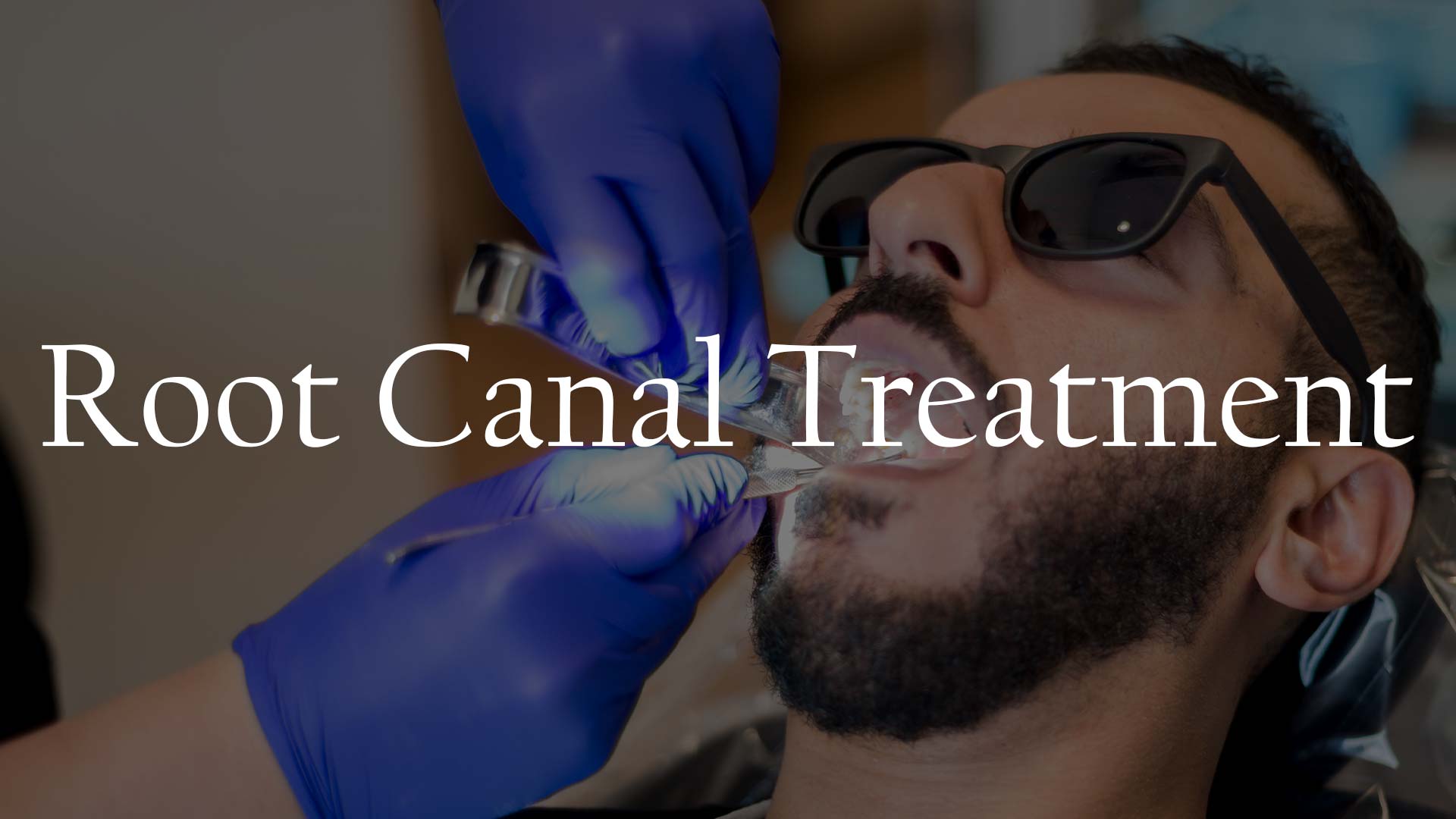
A dentist in houston Texas said that a root canal usually takes four phases. Before beginning therapy, we will numb the area and obtain an X-ray of the infected tooth. After that, to shield the area from bacteria and saliva throughout the treatment, we will cover it with a dental dam, essentially a tiny protective sheet. After exposing the infected pulp by making a small incision close to the tooth's crown, the dentist will extract the infected tissue and clean the impacted areas. After cleaning the canals, a topical antibiotic may be applied to eradicate any leftover infection.


There are hazards associated with root canal therapy, just like any semi-invasive operation. Sometimes, the harm is too great to be salvaged by treatment. In this case, receiving root canal therapy could lead to tooth loss. Abscesses can also occur after root canal therapy, which is uncommon.


Keeping Yourself From Needing a Root Canal

While root canals are a valuable treatment for damaged or diseased teeth, it is preferable to prevent the need for one in the first place. It's easy to avoid root canal therapy; practice basic dental hygiene. Deep Scaling And Root Planing can help prevent tooth decay, typically requiring root canal therapy.


In summary 

An endodontist, a root canal professional, or a dentist can handle a root canal technique. It usually takes one or more appointments. After the tooth has been cleaned, it will either be sealed with an endless filling or, if more appointments are required, a temporary filling.


The tooth's interior excavation and roots will be filled and sealed with specialized dental materials at the subsequent session, typically scheduled for a week later. Following every appointment with a root canal in houston tx, dentist, you will receive care instructions. Routine dental checkups and good oral hygiene habits will expand the life of your root canal treatment.

Read more…

What You Should Know About Dental Implants?

If you have missing teeth and are looking for options to hide them. Dental implants are suitable for this condition. But to maintain durability and stability, you must follow regular brushing, flossing, and mouthwashing techniques to render optimal and best results. Schedule regular follow-up appointments with the dentist for long-lasting solutions.


Remember that Individual oral health, lifestyle or eating habits and overall health can impact the longevity of dental implants. So follow the dentists in florida recommendations after placing the dental implants and stop consuming tobacco, caffeine, smoking or chewing hard objects that lead to damaged implants. Patients must undertake proactive steps to maintain their oral health, which can extend the life of their All-on-4 implants and benefit from a functioning, lifelike smile for many years to come.


Why Are Dental Implants Needed?

Dental implants serve various purposes than traditional replacement options. They are known for rendering a permanent solution for missing teeth, reducing the need for removable dentures or bridges. It looks, feels and functions like natural teeth, helping affected individuals eat, speak, and smile confidently. Furthermore, implants improve facial structure, promote overall or oral health in the long run and protect from bone loss.


Improving Overall Dental Health Conditions

Dental Implants play a significant role in the following dental health issues. Contact the dentist clinic nearby if you face any of the issues mentioned below:-


Difficulty Chewing

Dental implants restore chew function, allowing patients to enjoy a balanced and nutritional diet.


Missing Teeth

The best dentist in miami replaces missing teeth in the dental implant process, preventing adjacent teeth from shifting and protecting the bite's natural alignment.


Self-Esteem

Dental implants are aesthetically appealing and pleasing, boosting self-esteem and confidence with a confident smile.


Bone Loss

Implants reduce the risk of bone loss by stimulating the jawbone. Bone loss happens when missing teeth are left untreated for a long time.


Speech Impediments

Missing teeth can influence speaking patterns, though dental implants allow for clearer and more confident communication. 


Risks Associated with Dental Implants

Dental implant surgery poses some risks Like any other treatment, including infection in implantation and injury near surrounding teeth or blood vessels. It may damage nerves due to pain or numbness in the mouth and sinus issues when implants are placed near sinus cavities in the upper jaw.


Wrapping It Up

If you're dealing with tooth loss, facing difficulty in chewing or unhappy with your smile. It's the right time to call all on 4 dental implant dentist for your oral health issues. Ensure you get the proper dental treatment for your dental issues. So, taking advice from a dentist is a must. Whether you want to replace a single tooth or multiple teeth, dental implants are a solution to all that render long-lasting benefits and aesthetically pleasing.

Read more…

Introduction

Are you looking for teeth whitening home remedies? No worries; various effective options are available. But before delving into it, you must define your budget and teeth whitening goals. Visit the dentist's office and ask them about over-the-counter (OTC) products they suggest you according to your specific dental health conditions.


Teeth Whitening Kits

The over-the-counter whitening kit has a mouthguard-like tray and a gel or paste with a peroxide solution. You must place this tray over your teeth for a few minutes to a few hours and a day or up to a month until you don't achieve the desired result or ideal shade of white. Anyone can use this kit, and parents must consult with the dentist open on saturday in houston.


Teeth Whitening Pens

Teeth whitening pens work like magical wows for your teeth and can be used conveniently. This is perfect for people struggling with hectic schedules and stained teeth.


Teeth Whitening Strips

Teeth whitening strips are popular for noteworthy results, easy use, and seamless fitting over your teeth. When applying the gel side to your teeth, the peroxide-based solution in these plastic strips penetrates your enamel. This renders effective results that can persist for several months.


Teeth whitening strips are hassle-free; you can place them in your comfort zone either during chores in the morning or watching Netflix binge-series in the evening. This is ideal for busy individuals like homemakers, office-goers, and many more. However, most whitening strips require just 30 minutes to an hour of wear time, depending on the oral health condition.


Teeth Whitening Toothpaste

Boost your confident smile by using teeth-whitening toothpaste at home. The dermatologically tested specially formulated toothpastes involve gentle abrasives and polishing solutions. This helps individuals remove tough stains and brighten smiles over time.


Teeth whitening toothpaste is as effective as simply brushing your teeth regularly. Gently place a pea-sized toothpaste and apply it to your toothbrush. You will automatically observe a noticeable change in the brightness of teeth and smile. This is considered an effective way to whiten your teeth at home.


Tips For More Effective Results

It doesn't matter which teeth whitening method you choose for a confident smile. You can maximize your teeth whitening results by incorporating the following tips:-

  • Be consistent with your teeth whitening method for optimal and better results.
  • Read teeth whitening product instructions and follow them carefully for effective results.
  • Brush and floss regularly to achieve a healthy and bright smile.
  • Be limited to consuming or drinking staining beverages such as coffee, tea, red wine, soft drinks, etc.
  • For tough stains or bad breath, consult the best orthodontist. They have hands-on experience in treating different dental conditions. 

After using over-the-counter products for teeth whitening from the comfort of your home, you will automatically notice a change in looks and shine before and after teeth whitening.


Wrapping It Up

Hoping that now you've got a better understanding of teeth whitening products that you can easily use at home. Before using OTC products, you must get advice from an affordable dentist in houston for desired results and what best suits your dental condition. They help you suggest the right course of treatment accordingly.

Read more…

Dental crowns are a great way to repair a tooth that has been broken or decayed. While crowns have clear advantages over alternatives, you should weigh the drawbacks before choosing the best course for your circumstances.


In addition to making you look bad, decaying and broken teeth are bad for oral health. Your jawbone and nearby teeth may sustain more harm from the bacteria that originates in a decaying tooth. Furthermore, an injured tooth becomes a haven for bacteria, which can spread and result in more issues. For this reason, it will be best for your oral and general health to repair the tooth with a dental crown as soon as possible. Our dentist office open on Saturday, is dedicated to serving you when you need it most.


Dental crown advantages

For a variety of oral issues, dental crowns offer a great fix. What the restorations can assist with is as follows:


  • Support a tooth that has suffered significant decay.
  • Encourage the use of dental bridges and implants to restore lost teeth.
  • Change the color and contour of a tooth to make it look better.
  • Defend a worn tooth from additional harm.
  • Following receiving endodontic therapy, repair a tooth.
  • Grasp a badly fractured tooth firmly.


Because houston dental crowns are durable and last 10 to 15 years, they are an excellent long-term solution for teeth that are decayed or damaged. This will boost your pleasure with the treatment.


Drawbacks with Dental Crowns

The fact that placing a dental crown requires filing the tooth's top and sides down to make room for it is another common drawback. This technique is costly and irreversible.

You may feel pain in the immediate post-procedure due to the warmth. Pain can be lessened while brushing sensitive teeth by using toothpaste.

Dental crowns are secured by specialized dental cement; sometimes, the cement may wash off and cause the crown to become loose. Teeth decay is caused by microorganisms that can enter the tooth through loose crowns.


What Can Be Anticipated During the Dental Crown Process?

  • The dentist will numb the gums around your teeth to ensure you don't experience any pain throughout the treatment.
  • The dentist will use a routine to remove any decay from your tooth and make room for the new crown after your tooth has become numb.
  • Until your endless crown is prepared, a provisional crown may occasionally be placed over your prepared tooth.
  • You might not need to do this step if you have had root canal therapy.
  • Your teeth will next be imprinted (formed into a mold) so that a dental lab can fabricate the new crown.
  • The dental crowns must be positioned to form the entire decayed tooth and to encompass the gums.
  • You will visit the dentist open on weekends near me again once your permanent crown is ready so that it can be appropriately fitted and put into position.

How Much Do Crowns Cost?

A few crucial variables can have a significant impact on dental crown costs. Cost and dental crown type are connected. To locate the closest dental facility, search for "dental crowns near me." However, take into account the medium. Crowns made of porcelain or ceramic material are usually the priciest option but also seem the most natural.


same day emergency dental proudly offers care to treat your dental issues, alleviate discomfort, and preserve your smile's appearance.


The least-priced crowns are often made of metal, but they may need to match the color of your natural teeth and be more durable.


In summary

It is preferable to have a dental crown placed over a broken tooth to recover it rather than lose your natural teeth and need dental bridges or implants to replace them. It takes two trips to the dentist and temporary crowns for around three weeks following tooth preparation to get dental crowns, which is not the most painless dental procedure.


If your emergency dentist suggests having dental crowns to replace a damaged tooth, think about getting them as quickly as possible rather than attempting to determine if they are more valuable than your natural tooth.

Read more…

You feel like a movie star with your straight smile now that you've taken off those braces. However, there is still more work to be done before you can get the ideal smile. Various best orthodontists near me say that using mouthguards is essential for maintaining the safety and security of your teeth after braces. This article will explore how these clever little devices protect your mouth after braces.


What's a Mouthguard?

A flexible, supple substance that secures your teeth tightly. Regard it as a protective barrier for your teeth. Your teeth, gums, and jaw are shielded from knocks, bumps, and blows by mouthguards, which are often constructed of plastic.


Why Wear a Mouthguard After Braces?

So, after getting affordable braces for adults near me, why would you even think about wearing a mouthguard? Your teeth are still sensitive even if they may be fine and straight now. Your teeth are slightly more prone to chipping or breaking without the braces to offer additional support, particularly while participating in sports or other activities where there is a chance of impact to the mouth.


Protection During Sports

Sports are one of the primary uses for mouthguards. Whether you're playing on the basketball court, hockey rink, or soccer field, sports can be very hard on your teeth. By serving as a cushion, a mouthguard can lessen the force of blows and crashes and reduce the risk of injuries like chipped teeth or wounds to the lips and gums.


Preventing Teeth Grinding

Teeth grinding, or bruxism, is another covert danger to your teeth after braces. This is the act of clenching or grinding your teeth together, usually when you're sleeping and frequently without you recognizing it. Your teeth may experience significant pressure from teeth grinding, which may eventually lead to them becoming loose or worn down. Your teeth can be cushioned and shielded from the consequences of grinding while you sleep with a mouthguard for braces.


How Do Mouthguards Work?

Now that you understand the significance of mouthguards, how precisely do they function? Well, it's not that complicated. A mouthguard acts as a shield between your teeth and any foreign object that might try to damage them. Therefore, if you suffer a hit to the mouth while playing sports, the mouthguard helps to avoid injury by absorbing part of the force of the impact rather than your teeth taking it all.


Taking Care of Your Mouthguard

It's crucial to take proper care of your mouthguard now that you have one. Make care to give it a thorough rinse with cold water and a small amount of mild soap after every usage. To gently clean away any debris, you can alternatively use a toothbrush. Keep your mouthguard in a dry, clean case to protect your mouthguard from bacteria and germs while not in use.


In Conclusion

Mouthguards are like superheroes after dental care orthodontist Miami Beach when it comes to keeping your smile safe; they may not be the most fashionable accessory. Wearing a mouthguard is an easy method to keep your teeth healthy long after your braces come off. Whether you are hitting the field, hitting the hay, or just going about your everyday business, mouthguards are important. Now that you have your reliable sports mouthguard for braces at your side, feel free to smile confidently after getting braces!

Read more…

Millions of individuals worldwide suffer from gum disease, commonly referred to as periodontal disease. Plaque accumulation on the teeth and gums is the root cause, which also induces irritation and infection. Gum disease can seriously harm teeth and gums if left untreated, which can result in tooth loss, bone loss, and other grave health problems. With the correct care and precautions, gum health can be restored, and teeth can be preserved.


This Dentist In Houston Tx will discuss gum disease's causes, signs, and available treatments. It will also offer advice on how to stop gum disease before it starts.

Recognizing the dangers of periodontal disease


What is Gum/ Periodontal Disease?

Periodontal disease is also called gum disease, a severe issue that affects the gums and the bones that hold your teeth in place. The germs that reside in plaque, the sticky substance that builds up on your teeth, is what causes it. Visit the center of teeth cleaning near me to eliminate plaque or debris that collects over the soft tissues, lessening the risk of gum disease.


What Are The Causes of Gum Disease?

If periodontal disease is not treated on time, it can further cause significant health issues, including heart disease, diabetes, and oral cancer. It's essential to recognize the symptoms of gum disease if you want to keep your teeth healthy and fit. Risk factors that are connected with gum diseases include poor dental hygiene, smoking, heredity, diabetes, and some medications.


Incorporating routine dental exams, dental teeth cleanings, and oral hygiene practices helps individuals to protect themselves from gum diseases.


Effective Tips That Keep You Away From Periodontal Disease

Maintain Oral Hygiene

Develop a habit of brushing and flossing daily. Use a bristles toothbrush and fluoride toothpaste to eliminate strong bacteria from the inner side of teeth. Soft-bristles toothbrush reaches hard-to-reach areas and reduces the risk of plaque collection, where flooding removes the food particles or debris stuck between your teeth and gum line. As a result, it reduces the risk of developing gum disease.


Follow Up Visits With Dentists

Visit the dentist clinic every six months yearly to protect yourself from oral health issues. Best Dentist In Houston thoroughly examines your oral health with a special torch and detects warning signs of gum disease at the early stage. This is the ideal option to keep your gums healthy.


Keep An Eye On Your Diet

Be mindful of the drinks and foods that you're consuming in your daily routine life. Avoid starchy, sugary, and acidic drinks that cause sensation in your teeth and enhance the risk of tooth decay and gum disease. Incorporate a balanced diet of food or fruits, which includes lean proteins, vegetables, and whole grains that promote overall and oral health. Dentist In Houston Near Me suggests a list of food items for oral health.


Avoid Tobacco Products

Smoking cigarettes or consuming tobacco products puts your life at high risk of developing gum and other severe oral health issues. On top of that, it creates tough stains on your teeth. So it's better to quit smoking or don't consume tobacco for the sake of your oral and overall health.


Manage Stress

Stress is a significant factor that weakens the immune system and makes you susceptible to gum disease. To deal with this, you can practice mindful exercises such as meditation, yoga, deep breathing, and simple exercises to protect your gums and oral health.


Summing It Up

Keep an eye on any warning signs in your gums, which include redness, tenderness, numbness, swelling, or bleeding during brushing or flossing. These are early indicators of periodontal disease, so don't hesitate to visit the center of Gum Disease Treatment Near Me.

Read more…

Dental crowns are versatile restorations used to restore damaged, decayed, or aesthetically compromised teeth, providing strength, protection, and improved appearance. While the process of getting dental crowns typically requires multiple appointments, each step is essential for ensuring optimal fit, function, and aesthetics. In this blog post, we'll take a closer look at the journey to dental crowns near you, including the number of appointments needed and what to expect during each visit.

Initial Consultation:

The first step in getting dental crowns is to schedule an initial consultation with your dentist. During this appointment, your dentist will examine your oral health, assess the condition of the affected tooth or teeth, and discuss your treatment options. X-rays or digital scans may be taken to evaluate the extent of damage or decay and determine the suitability for dental crowns.

Treatment Planning:

Based on the findings from the initial consultation, your dentist near you will develop a personalized treatment plan tailored to your specific needs and goals. This may involve selecting the type of dental crown best suited for your situation, such as porcelain, ceramic, metal, or a combination of materials. Your dentist will also discuss the timeline, cost, and any potential risks or benefits associated with the treatment.

Tooth Preparation:

The next step in the process is tooth preparation, which typically requires one or two appointments depending on the complexity of the case. During this visit, the affected tooth is reshaped and prepared to accommodate the dental crown. This may involve removing a portion of the tooth's outer structure to create space for the crown and ensure a proper fit. In some cases, a temporary crown may be placed to protect the tooth while the permanent crown is being fabricated.

Impressions:

Once the tooth has been prepared, impressions or digital scans of the tooth and surrounding teeth are taken to create an accurate mold for fabricating the dental crown. These impressions capture the precise dimensions, shape, and alignment of the tooth to ensure a custom fit and natural appearance. The impressions are sent to a dental laboratory, where skilled technicians will craft the permanent crown to match your unique smile.

Fabrication of Permanent Crown:

While the permanent crown is being fabricated, you may wear a temporary crown to protect the prepared tooth and maintain aesthetics. The fabrication process typically takes about two to three weeks, during which time the dental laboratory will use the impressions to create a custom-designed crown that matches the color, shape, and size of your natural teeth.

Final Placement:

Once the permanent crown is ready, you will return to the dental office for the final placement appointment. During this visit, your dentist will remove the temporary crown, clean and prepare the tooth surface, and carefully cement or bond the permanent crown into place. Your dentist will ensure proper fit, occlusion, and aesthetics before permanently securing the crown.

Follow-Up and Maintenance:

After the crown placement, your dentist will provide instructions for caring for your new restoration and schedule follow-up appointments to monitor your progress. Regular dental check-ups and cleanings are essential for maintaining the health and longevity of your dental crowns, as well as preventing future dental issues.

The process of getting dental crowns typically involves several appointments to ensure proper diagnosis, treatment planning, tooth preparation, impression-taking, crown fabrication, and final placement. While the number of appointments may vary depending on individual needs and circumstances, each step is crucial for achieving optimal outcomes and restoring the health, function, and aesthetics of your smile. If you have any questions or concerns about getting dental crowns, don't hesitate to discuss them with your dentist in Vancouver, who can provide personalized guidance and recommendations tailored to your specific situation.

Read more…

What Can You Use Instead of Denture Glue?

Denture adhesive, also known as denture glue, is commonly used by denture wearers to improve the stability and retention of their prosthetic teeth. However, some individuals may prefer to avoid using denture glue due to concerns about its ingredients or the messy application process. In this blog post, we'll explore alternative solutions for denture wearers who are seeking alternatives to traditional denture adhesive.

Understanding Denture Adhesive: Denture adhesive is a type of adhesive cream, powder, or strip that is applied to the surface of dentures to enhance their grip and stability in the mouth. It works by creating a seal between the dentures and the gums, helping to prevent slippage or movement during speaking and eating. While denture adhesive can be effective for improving denture retention, some people may experience discomfort or irritation from its use, or they may simply prefer not to rely on adhesive products.

Alternative Solutions for Denture Wearers: Fortunately, there are several alternative solutions available for denture wearers who are looking for alternatives to traditional denture adhesive:

  1. Implant-Supported Dentures: Implant-supported dentures are a permanent solution for replacing missing teeth that provide superior stability and retention compared to conventional dentures. Dental implants are surgically placed into the jawbone to serve as artificial tooth roots, onto which the dentures are securely attached. Implant-supported dentures eliminate the need for denture adhesive and allow for a more natural and comfortable chewing experience.

  2. Precision Attachment Dentures: Precision attachment dentures utilize mechanical attachments instead of adhesive to secure the dentures in place. These attachments are custom-fitted to the dentures and engage with corresponding attachments placed on the natural teeth or dental implants. Precision attachment dentures offer improved stability and aesthetics compared to conventional dentures and do not require the use of denture adhesive.

  3. Mini Dental Implants: Mini dental implants are smaller in diameter than traditional dental implants and are used to stabilize lower dentures or secure upper dentures in patients with insufficient bone volume. Mini dental implants can be placed in a minimally invasive procedure and provide increased retention and stability for denture wearers without the need for denture adhesive.

  4. Relining or Rebasing: Relining or rebasing involves modifying the fit of existing dentures near you to improve their stability and retention. This process may be performed by a dentist or dental laboratory technician and involves adding new material to the denture base to create a better seal with the gums. Relining or rebasing can help address issues with loose-fitting dentures without the need for denture adhesive.

  5. Proper Denture Maintenance: Maintaining good oral hygiene and regularly cleaning dentures can help improve their fit and retention. Denture wearers should brush their dentures daily with a soft-bristled brush and denture cleaner to remove plaque, food particles, and bacteria. Additionally, soaking dentures in a denture cleanser or water overnight can help keep them clean and fresh.

While denture adhesive can be effective for improving denture retention, some individuals may prefer alternative solutions that offer increased stability, comfort, and convenience. Implant-supported dentures, precision attachment dentures, mini dental implants, relining or rebasing, and proper denture maintenance are all viable options for denture wearers seeking alternatives to traditional denture adhesive. By discussing these options with their dentist in Chestermere, individuals can find the solution that best meets their needs and preferences for a confident and comfortable smile.

Read more…

After undergoing a tooth extraction, it's natural to wonder when you can resume eating solid foods. Proper post-extraction care is crucial for promoting healing and minimizing discomfort. In this article, we'll explore the factors that influence when you can safely reintroduce solid foods into your diet after a tooth extraction procedure.

Understanding Tooth Extraction: A tooth extraction is a dental procedure performed to remove a damaged, decayed, or impacted tooth from its socket in the jawbone. Common reasons for tooth extraction include severe decay, infection, gum disease, crowding, or trauma. While the extraction process itself is relatively straightforward, the recovery period is essential for ensuring successful healing and preventing complications.

Immediate Post-Extraction Care: Immediately following a tooth extraction, it's normal to experience some bleeding, swelling, and discomfort around the extraction site. Your dentist near you will provide specific post-extraction care instructions to help manage these symptoms and promote healing. In the first 24 to 48 hours after the procedure, it's essential to follow these guidelines, which typically include:

  1. Applying ice packs to the affected area to reduce swelling.

  2. Taking prescribed or over-the-counter pain medications as directed.

  3. Avoiding vigorous rinsing, spitting, or using straws, which can dislodge the blood clot and delay healing.

  4. Eating soft, cold foods like yogurt, pudding, mashed potatoes, and smoothies to prevent irritation to the extraction site.

Transitioning to Solid Foods: The timeline for reintroducing solid foods after a tooth extraction near you varies depending on several factors, including the complexity of the extraction, the location of the extracted tooth, and individual healing abilities. In general, most dentists recommend gradually reintroducing solid foods into your diet as your healing progresses. Here's a typical timeline for transitioning to solid foods after a tooth extraction:

  1. Days 1-2: Stick to a soft or liquid diet to allow the extraction site to clot and begin the healing process. Avoid hot, spicy, or acidic foods that can irritate the extraction site.

  2. Days 3-5: As swelling and discomfort subside, you can gradually incorporate semi-solid foods like scrambled eggs, mashed vegetables, and cooked pasta into your diet. Chew carefully and avoid biting directly on the extraction site.

  3. Days 5-7: By the end of the first week, you may be ready to start reintroducing softer solid foods like steamed vegetables, fish, and tofu. Continue to chew on the opposite side of the extraction site to avoid putting pressure on the healing area.

  4. Days 7 and beyond: As long as you're experiencing minimal discomfort and the extraction site is healing properly, you can gradually resume eating a normal diet, including solid foods.

It's essential to listen to your body and pay attention to any signs of discomfort or irritation when reintroducing solid foods. If you experience persistent pain, swelling, bleeding, or other unusual symptoms, contact your dentist promptly for further evaluation.

Conclusion: While the exact timing for reintroducing solid foods after a tooth extraction may vary from person to person, it's essential to prioritize proper post-extraction care and follow closely instruction of your dentist in SW Calgary. By gradually transitioning to solid foods and avoiding any activities that may disrupt the healing process, you can help ensure a smooth and successful recovery after your tooth extraction procedure. If you have any concerns or questions about your post-extraction diet, don't hesitate to reach out to your dentist for guidance and support.

Read more…

A dental bridge is one of the numerous incredible prospects for repairing lost teeth. But bridges have advantages and drawbacks, just like any other dental technique. So, here's what you need to know about the miracles and disadvantages of dental bridges before you decide whether or not to repair your smile with one.


You won't even be able to distinguish between your new, perfect teeth and your original teeth since your dentist will carefully check the color and shape of your alternate teeth for the rest of your smile. Our Emergency dentistry is a branch of dental upkeep focusing on immediate treatment for critical dental issues.


Dental Bridges Delivers a Suitable Fix

Bridges feel as comfy as your genuine teeth and look stunningly natural. You don't have to feel awkward to chew, talk, or eat normally. Besides, you won't need considerable time to get used to your dental bridge because it should feel comfortable once the procedure's anesthetic wears off.


Dental Bridges Can Stop Bone Decline

The force of biting and chewing no longer stimulates the bone beneath a lost tooth. Your jawbone may begin to deteriorate without this stimulation, which, over time, may result in bone loss.


Stop Moving Your Teeth Too Much.

Misalignment, which happens when teeth start to move to plug in the gap left by skipping teeth, is a typical side effect of tooth loss. Using a dental bridge to cover that gap, you can stop your teeth from moving out of place. 


Bridge Upkeep Is Easy

Dental bridges are not removable; therefore, you do not need to take them out to clean your teeth. Instead, you brush your teeth—including the bridge—as usual. Maintaining your bridge should be easy if you follow good oral hygiene practices and regularly visit your dentist open near me and hygienist for cleanings and exams.


Dental Bridges May Last for a Long Time 

Long-term dental replacement can be achieved with proper maintenance of your bridge and tooth hygiene. The standard lifespan of a dental bridge is five to fifteen years, but with reasonable upkeep, you can extend the life of your new teeth.


Requirements for dental bridges 

Files for Healthful Teeth Are Required

Your dentist must file down the teeth on each side of your missing teeth to make room for the crowns before placing a dental bridge. Your teeth will always require a crown to be glued to them once filed.


A Small Risk of Nerve Damage Exists

Nerve injury is an occasional complication related to dental bridges. The process may harm the nerves under your gums, necessitating a root canal in the future. A broken tooth may hurt or feel sensitive, though some fractures cause no symptoms. See a dentist right away.


Dental Bridges Are Not Eternal

Dental bridges have a ten-year lifespan. However, they do not last indefinitely. For your smile to remain healthy, you must replace your bridge every five to fifteen years.


Flossing Under a Dental Bridge May Be Tough

Although dental bridge maintenance is usually straightforward, flossing is challenging. Since dental bridges are not anchored in your gums like dental implants are, plaque may accumulate between your gums and the underside of the bridge.


Finalizing the issue 

Dental bridges are an ideal choice for individuals who desire to improve the impression of their smile and regain confidence. As dental technology has developed, bridges have become a dependable and successful tooth replacement option. With our skilled treatment, you may improve your smile and confidence. Consulting a dental Bridges Near Me with experience is highly recommended.

Read more…

Teeth bonding, or dental bonding, is a dentistry procedure that improves the impression of your smile. Dental bonding remedies tooth cracks and bruises using mixed resin, a putty-like essence sculpted and polished to fit your teeth nearby.


If you think that having teeth bonding may sweeten the health of your smile, continue reading to learn all there is to know about the procedure, including its advantages, weaknesses, and possible risks. You may want to enhance your smile if you explore for cosmetic bonding near me because you have tarnished, chipped, or discolored teeth.


What's that? 

Cosmetic dental bonding is one cosmetic dentistry strategy used to sweeten the look and feel of your teeth. Many dental defects, such as discolored teeth, gaps between teeth, shorter teeth, and chipped or fractured teeth, can be regaled with it.


Throughout the approach, your affordable dentist near me will cover the injured teeth with a tooth-colored resin substance corresponding natural teeth in texture and color. The teeth will then be polished and shaped by your expert to blend in with the neighboring teeth, creating a stunning and natural-looking finish.


Who Needs Dental Bonding for Cosmetic Purposes?

Cosmetic dental bonding is often done to make a smile look nice. As an outcome, for single teeth or a few single teeth, it can be a perfect option for fixing aesthetic issues, including chipping, cracks, discoloration, or gaps. Cosmetic bonding may occasionally be a transitional approach leading to more comprehensive work.


Dental bonding, nevertheless, might not be the best choice for individuals with more serious dental issues, like significant tooth decay or damaged or misaligned teeth, which might call for more involved restoration strategies. 


What Steps Are Involved In Cosmetic Dental Bonding? Before the dental bonding process 

Your dental offices in manhattan ny will discuss your cosmetic dentistry goals before the operation and briefly examine them to ensure you are a good candidate. This evaluation may involve dental X-rays and a brief review of your teeth and gums to give your dentist a complete view of your oral health.


In the course of dental bonding 

Dental bonding may or may not involve the use of an anesthetic. Minimal preparation is needed for dental bonding for aesthetic purposes on a tooth that is otherwise in good health. In other situations, bonding is used to repair a chipped, cracked, or rotting tooth. The quantity of drilling required will depend on how much tooth is lost. To better match the resin to the rest of your teeth, your dentist may choose to shape and polish the surface one last time.


In summary 

A cosmetic dentistry process called teeth bonding can close gaps or spaces between teeth, treat discoloration and staining, repair chipped or broken teeth, and address other aesthetic problems. The dentist office near me directly applies a tooth-like composite material, or restoration, to the damaged tooth or teeth. This procedure is usually completed in a single visit.


Making reasonable oral hygiene procedures, such as avoiding hard-to-chew foods and teeth-whitening remedies or strips, is crucial to ensuring the restoration lasts. It's a popular, tried-and-true, and very effective method of correcting a grin.

Read more…

Invisalign Tips for New Users

It is good that you have decided to begin straightening your teeth using Invisalign, one of the best alternatives to braces. Your smile could be completely transformed with Invisalign, but usage guidelines are crucial for optimal results. However, don't worry. This article can help you out with some really easy tips.


What is Invisalign?

In nature, it's a set of transparent aligners that you put on your teeth to gradually reposition them. It's pretty cool that they are practically invisible. They are much more convenient than traditional braces, but you can take them out to eat or brush your teeth.


Wear Them Consistently

Consistency is one of the most crucial aspects of utilizing Invisalign. For your aligners to do their magic, you need to wear them for at least 20 to 22 hours per day. Consider visiting orthodontist hallandale fl if you are not able to wear them properly. This implies that you should only remove them to eat, drink anything but water, or clean your teeth. Try to wear them as much as possible because the more you wear them, the quicker you'll see benefits.


Keep Them Clean

It's crucial to maintain your Invisalign aligners clean because you'll be wearing them for the majority of the day. It seems sense that you wouldn't want any unsavory microorganisms to reside there. All you have to do is gently brush them with a toothbrush and rinse them under water each time you take them out.


Be Gentle

Speaking of gentleness, you must take good care of your aligners. Despite their seeming durability, they are actually quite brittle and can break easily if you're not careful. For this reason, be careful when removing or replacing them to prevent cracks or tears.


Stay on Schedule

When it comes to changing to your next set of aligners, your orthodontist open saturday will tell you a schedule that you should strictly adhere to. You might not receive the desired outcomes if you start to slack off because this routine is meticulously designed to ensure that your teeth move in the proper way. You may assist yourself remember by writing them down somewhere you will see them every day or setting reminders on your phone.


Embrace the Discomfort

To be honest, initially using Invisalign aligners can cause some discomfort. You may get tooth pain and find it difficult to speak clearly. But that's very normal, so don't worry! After a few days, the soreness normally goes away, and before you know it, you'll become accustomed to wearing them. Just persevere and never forget that when you see that radiant grin reflecting back at you in the mirror, it will all have been worthwhile.


Stay Positive

And lastly, remember to have a pleasant attitude during your Invisalign experience. It is simple to become angry or demoralized, particularly if you aren't getting the results you'd like to see right away. But keep in mind that excellent things take time! Keep moving forward and concentrate on the desired outcome, which is a straighter, more self-assured smile. This is something you can handle!


Winding It Up

Here are a few easy suggestions to help you get the most out of using Invisalign. Just keep in mind to wear them often, maintain them clean, be kind, adhere to your timetable, accept the discomfort, and have an optimistic attitude. You could visit the Invisalign Dr site if you have more queries. You will be flaunting that flawless smile in no time!

Read more…

Not only is missing teeth harmful to oral health, but It may also impact your self-esteem and general health.


You should not feel ashamed if you are lacking teeth. Tooth loss is not limited to older people; it also concerns more youthful people. One in four grown-ups over the age of 74 are skipping all of their teeth, and over 70% of grown-ups between the ages of 35 and 44 have at least one absent tooth. Dentures And Implants can help you keep the health of your mouth and regain confidence in your smile.


Dentures: What Are They? 

A more aesthetically acceptable way to return lost teeth is with dentures. They can be constructed from plastic, porcelain, or both. The terms "base plate" and "abutment" refer to the two elements of a denture. The base plate holds the new denture in place by fitting over the gum tissue on either side of the jawbone where teeth were removed.


Dental implants: What Are They?

An endosseous or dental implant is a prosthetic device set beneath the gum line to support a temporary crown, bridge, or denture. It acts as an anchor for various repairs and is comprised of titanium. Relying on what was lost, the implant replaces the lost root structure of one or more teeth. With this remedy, patients can restore their smiles without compromising their capacity to function.


How much time do they last?

Dentures are a good choice because they are meant to last a lifetime. That does not, however, imply that they are fine. The adhesive is used to secure dentures to natural teeth, but with time, it may become ineffective and need to be changed. Furthermore, as denture users adjust to their new teeth, they frequently express discomfort in their mouths.


Which Process Should I Select?

Based on your demands, you should choose between dental implants and dentures. An adjustable denture might be appropriate if you are missing just one tooth. It restores your ability to chew food and keeps your face fresh. It's also inexpensive, easy to wear, and practical.


But if you are missing several teeth, you must talk to a Dental Implant Specialist about dental implants because they can be less expensive than gradually fitting dentures.


What Advantages Do Dental Implants Offer Over Dentures? 

For instance, a person wearing dentures may feel their plates moving back and forth as they eat. This occurs due to dentures' moveable design, which permits chewing.


Conversely, dentures supported by implants are cemented firmly into your jawbone, providing a solid base for your teeth so you can eat anything you want without giving it a second thought. Individuals with dentures find it challenging to talk without excessive mouth movement.


However, dental implants don't produce any noise at all! Moving them around and preventing them from making any noise is an immense comfort.


Finalizing the issue

Various variables, including the cost and the number of missing teeth, will influence your choice between implants and dentures. A denture might be a better option for someone who is entirely toothless. Implants can maintain the jaw's natural bone structure and provide a more natural appearance for someone with a few lost teeth. You must go to the Dental Office Houston to learn more about the distinctions between dentures and implants.

Read more…