All Posts (4996)

Sort by

Which Tooth Is The Hardest To Extract?

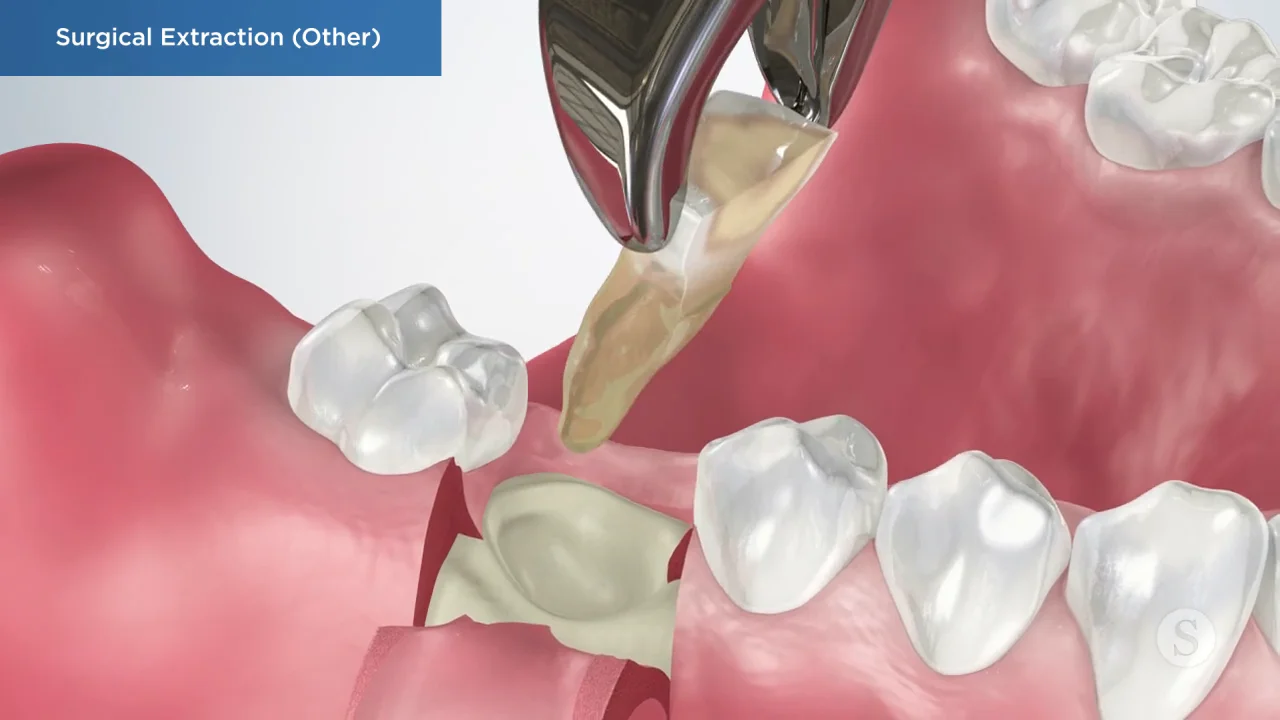
For the majority of teeth, dental extraction is a very straightforward process; nevertheless, certain teeth pose a difficulty for dentists doing tooth extractions. The wisdom tooth, often known as the third molar, is the most complex tooth to remove. An infection or abscess, the patient's medical history, present health issues, and the tooth's closeness to nerves and sinus cavities can all make extraction challenging.


Because upper molars are located near the sinus cavity, they could be challenging to remove. Nevertheless, they are usually easier to extract because of their straighter roots and less solid surrounding bone. This article will examine why wisdom teeth are hard to remove and what makes it hard to do so.


Why is Wisdom Teeth Extraction Such a Challenge?

These variables may make the extraction procedure more challenging, requiring the houston dentist to carefully plan and carry out the procedure to lower the possibility of difficulties.


Measurements and Shape

Wisdom teeth usually have longer roots and a bigger overall size than others. They might also have odd angles or forms that make removal challenging. The roots of wisdom teeth may also be curved, which makes extraction difficult.


Analgesia

Local anesthetic is often used to extract wisdom teeth while the patient is awake. This can be challenging for the dentist since they have to successfully remove the tooth while confirming the patient is relaxed throughout the procedure.


Place

Later in life, your wisdom teeth erupt, often in the back of your mouth. They might become affected, either failing to emerge entirely or partially erupting from the gum line. They might become affected, failing to appear fully or partially discharging from the front tooth cavity. Due to the tooth's restricted access, extraction may become challenging.


Encircling Tissue

Various tissues surround the wisdom teeth, including blood vessels, nerves, and gum tissue. The extraction procedure is more complicated because the dentist must carefully remove the tooth without inducing any harm to the surrounding structures.


Are extractions of wisdom teeth and simple extractions the same?

The wisdom teeth, the third set of molars, usually erupt in the back of the mouth in individuals 17 to 21. Some people never get wisdom teeth, but more often than not, people discover that their jaws are too tiny to accommodate four more unneeded molars. Wisdom teeth might pose issues if they partially erupt, but there is not enough room for them. When teeth are said to be partially erupted, it indicates insufficient space in the mouth to emerge fully. There may be pain from the teeth pressing on the other molars.


Wisdom teeth with ultimately affected gums may never erupt. To find out if they are a problem or if there might be a problem in the future, dentists will x-ray them. Most dentists will recommend a surgical extraction of the wisdom teeth if they are likely to create dental issues.


Wisdom tooth extraction recover quicker in younger individuals; some dentists may recommend them as a preventative against more issues.


In summary

Our experienced team of dental experts is committed to giving you the best care possible and ensuring you're comfortable during the entire procedure if you need a tooth extracted. Even though tooth extraction may be unpleasant, you must accept your dentist's recommendation when they make this treatment known. Frequent tooth extraction is the best course of action to stop more dental health problems and ease pain or suffering. If you have any dental issues or inquiries about tooth extractions or other dental treatments, don't be afraid to contact our team of dental extractions near me.

Read more…

Everyone loves to smile bright and beautiful, but people with misalignment or bite issues often tend to hide their smiles. But some options can help with teeth alignment issues. If you're on a journey to a straighter, more confident grin, you've likely come across the classic showdown. Braces and Invisalign are both helpful in aligning teeth and giving you a beautiful smile. But there are some differences between both the teeth correctors. Let's decode the difference between both of them. For more details, visit the invisalign dr site.


1. Appearance:

One of the best comparisons between braces and Invisalign is – appearance. Braces, with their colorful bands and wires, have been the go-to smile fixer for years. There are colorful options with braces, but they are noticeable. On the other hand, Invisalign is transparent and is not easily noticeable. These clear aligners are practically invisible, making them the stealthy smile transformers.


2. Comfort Level:

Now, let's talk comfort. Braces, with their wires and brackets, can sometimes feel like a mouthful. Also, you can have a bit of soreness after adjustments, but don't worry; it's just your teeth getting into formation. However, Invisalign is the smooth operator. The aligners are custom-made, fitting snugly over your teeth without any metal bits poking around.


3. Eating Adventures:

With aligners, you can eat your favorite crunchy snack, whereas, with braces, you won't be able to eat crunchy and cheesy foods as the food can get stuck to the braces brackets. With braces, there are some no-nos, like sticky candies and hard nuts. You have to avoid these things with braces. Therefore, with Invisalign, you can enjoy your treat and slide your aligner trays back in – easy peasy!


4. Oral Health Ritual:

The key is always to practice good oral hygiene. Because braces have so many fissures and nooks, brushing and flossing may become a bit more difficult. However, Invisalign provides you with a well-defined path to a successful smile. No oral obstacle comes here —just remove the aligners, brush, and floss as usual, then put them again!


5. Length of Treatment:

Patience is key, particularly when trying to get the ideal smile. Braces usually stay in place for two to three years on average. Therefore, Invisalign can finish in roughly six to eighteen months. So, if you're looking for a quicker smile transformation, Invisalign might be your perfect solution. Consult with your orthodontist open saturday to know your treatment duration and other information.


6. Lifestyle Flexibility:

With aligners, you don't have to adjust to your daily lifestyle. However, with braces, you may feel a little uncomfortable to smile or talk in public, but you have so many color options that can make your braces journey a little more fun. As usual, life doesn't stop, right? With braces, you're in it for the long haul, and adjustments are part of the journey. Invisalign, being an adaptable device, offers a bit more flexibility. You change aligners every 1 to 2 weeks, making it easier to live your busy life.


Summing up:

The choice is all yours whether you choose between Invisalign or braces. There are many alternatives to braces, but Invisalign is much better. However, it should be your personal preferences, lifestyle, and smile goals. Don't hesitate to ask questions and share your preferences with your orthodontist hallandale fl. Remember, whether you choose braces or Invisalign, the end goal is the same – a confident, radiant smile!

Read more…

Temporomandibular Joint Disorders (TMJD) can cause discomfort, pain, and disruptions to daily life. Understanding how to manage TMJD symptoms empowers individuals to alleviate discomfort and improve their quality of life. Here are eight effective strategies for managing temporomandibular joint disorders:

1. Professional Consultation:

Begin with a consultation with a dentist in Okotoks. A thorough examination and assessment of your symptoms will help determine the most appropriate treatment plan tailored to your specific condition.

2. Orthodontic Treatment:

For some individuals, orthodontic interventions, such as braces or clear aligners, can correct misalignments contributing to TMJD. Correcting the bite and alignment may alleviate pressure on the temporomandibular joint.

3. Physical Therapy Exercises:

Engaging in targeted exercises can strengthen jaw muscles and improve joint function. Physical therapists specializing in TMJD can guide individuals through exercises that promote flexibility and reduce muscle tension.

4. Lifestyle Modifications:

Adjusting daily habits can significantly impact TMJD symptoms. Avoid excessive gum chewing, nail-biting, and clenching of the jaw. Additionally, practicing stress reduction techniques like meditation or yoga can minimize tension in the jaw.

5. Heat and Cold Therapy:

Applying heat or cold packs to the affected jaw area can help alleviate pain and inflammation associated with TMJD. Alternating between heat and cold treatments can provide relief and improve overall joint function.

6. Medication Management:

Non-prescription pain relievers, such as ibuprofen or acetaminophen, can offer temporary relief from TMJD-related pain. In some cases, healthcare professionals may prescribe muscle relaxants or anti-inflammatory medications for more severe symptoms.

7. Dietary Adjustments:

Soft diet modifications, including avoiding hard or chewy foods, can reduce strain on the jaw joint. Opting for easy-to-chew options and cutting food into smaller pieces can minimize stress on the temporomandibular joint during meals.

8. Customized Splints or Mouthguards:

Dentists may recommend splints or mouthguards to help reposition the jaw and prevent teeth grinding or clenching, which are common contributors to TMJD. Customized oral appliances provide support and promote proper jaw alignment.

Empowering TMJD Management at Cornerstone Dental Wellness

While TMJD can be challenging, incorporating these strategies into daily life can significantly improve symptoms and enhance overall well-being. Remember, it's essential to consult with a dentist near you to determine the most suitable combination of strategies for your specific case. With the right approach, individuals can effectively manage TMJD and experience relief from pain and discomfort.

Read more…

Dental anxiety affects thousands of people for various reasons, and many of them witness a decline in their oral health as a result. Sedation dentistry could put you at ease and help you receive the care you require if that is close to home.


In contrast, many patients are much more anxious than they would otherwise be since they have no idea what to expect from sedation in a dental setting. Here are some potential side effects of the most popular sedative medications. If you're interested in knowing and for more knowledge, you must visit Sedation Dental near me.


Which sedation methods are the most popular?

Gas for laughing (minimal sedation inhaled)

Laughing gas is administered via a mask mainly made for the patient, along with oxygen. Its effects wear off rapidly, and the dentist can easily regulate the dosage. It facilitates the patient's relaxation without making them unconscious.


Oral medication sedation

Giving someone a pill—mostly one from the Valium medication family—is the method of oral sedation. The amount of sedatives needed for the procedure dictates the dentist's dosage calculation. Taking the medication at least one hour before the procedure is necessary. During the process, the patient feels sleepy and lightheaded but doesn't lose consciousness. When exploring "sleep dentistry near me," patients can find skilled dentists specialising in providing sedation choices.


Sedation IV

This is our most robust available sedative option. The rapid onset of IV sedation allows for easy adjustment to maintain your comfort and level of relaxation during your procedure.


For individuals undergoing complicated procedures or those who experience extreme anxiety, this can be a terrific option. If you are given IV sedation, you will require a companion to drive you home because the effects may last long after your treatment is finished. If you have a dental emergency, such as pain or swelling, and need emergency dental treatments, then you must visit same day emergency dental they will help you to ease your pain.


Reasons for which individuals decide to get dental sedation

Patients can unwind with sedation

Even if they know the dentist or hygienist is merely attempting to assist, many people nevertheless experience anxiety. Dental sedation can contribute to a tranquil state of mind during a cleaning or other treatment.


Time can be saved by sedation

Sedation can help us finish more work in fewer appointments for patients requiring more involved care. You can stay longer during each appointment using dental sedation, eliminating the need for several visits.


Patients can unwind with sedation

Even if they know the dentist or hygienist is merely attempting to assist, many people nevertheless experience anxiety. Dental sedation can contribute to a tranquil state of mind during a cleaning or other treatment.


One can reduce the gag reflex with sedation

For individuals who vomit more easily under stress or who have an especially sensitive gag reflex, this may be crucial. Sedation has the same ability to prevent pain as it does sensations that could make you feel as though you are gagging.


Concluding the matter

For those who are afraid of the dentist or have dental anxiety, sedation dentistry is a fantastic choice. It allows individuals to obtain dental care without feeling anxious or uncomfortable. In addition to promoting relaxation, the sedative may make dental operations more bearable and comfortable for the patient. For those who struggle with dental anxiety, visiting the dentists who use sedation near me could be a suitable choice. It can reduce your stress and help you relax during dental procedures. Make sure you speak to your dentist about your options.

Read more…

A dental abscess arises from a bacterial infection under your gums, occurring at the base or next to your tooth. The disease forms a sack of pus that swells and causes severe pain and gum inflammation. Most frequently, an untreated cavity, an accident, or previous dental treatments cause the abscess. The most typical course of treatment for a tooth abscess is to drain the pus to eradicate the infection. This is typically done with an antibiotic prescription to stop the infection from spreading.


Signs Of A Tooth Abscess

A sharp pain in the gums or around a tooth is the primary symptoms of Abscess Tooth.

Usually, the pain starts abruptly and gets worse over time.


Additional signs and symptoms consist of:

  • Pain during biting or chewing Redness and swelling on the face
  • A bad aftertaste
  • Painful or enlarged lymph nodes under your jaw or in your neck
  • Foul breath
  • High temperature
  • Discomfort that travels to your jaw, neck, or ears
  • Swollen, crimson gums
  • Sensitivity of the teeth
  • Soreness that worsens when you're lying down
  • Loose or discolored teeth


Pain relief will be nearly instantaneous in the event of an abscess rupture. As the pus drains out, you might also have an abrupt, unpleasant taste in your mouth.


How to Treat Abscess Tooth?

The treatment goals for a dental abscess are pain relief and infection eradication. Treatment options vary depending on the kind and extent of your abscess.


  • Tooth extraction. Your dentist may extract your tooth to drain the abscess if it is too severely damaged. If the tooth cannot be salvaged, your dentist may remove it and drain the abscess.
  • In cases where the infection has progressed beyond the abscessed area or your immune system is compromised, your dentist may recommend oral antibiotics to clear the infection.
  • They are draining the abscess. Your dentist will make a tiny cut in the abscess to drain the pus. They'll follow up by scouring the area with a saline solution.
  • Elimination of alien matter. A dentist will remove any foreign object that may have caused an abscess in your gums. Using a saline solution, they will clean the region once and for all.

You can use an over-the-counter anti-inflammatory medication, such as ibuprofen, Advil, or Motrin, to relieve pain if you can't visit your dentist immediately.


How to Drain Tooth Abscess at Home?

Thus, knowing the hints and techniques to lessen the pain is crucial. The blog assists you in draining dental abscesses at your residence. Choose a home remedy for your gum abscess and educate yourself on the quick tricks. Thus, knowing the hints and techniques to lessen the pain is crucial. Choose a home remedy for your gum abscess and educate yourself on the quick tricks.


It consists of:

  • Rinse with water and hydrogen peroxide.
  • Over-the-Counter Drugs
  • saline spray
  • Compression without heat
  • Put a paste of garlic on the afflicted area.
  • Rinse with water, salt, and baking soda
  • Drink tea
  • Apply oil

If you want to Learn more Tips and tricks for Tooth abscess Treatment at Home, you must visit a dentist near you.


Concluding the matter

After treatment, an abscessed tooth should heal in a few days. See your dentist again to ensure the infection doesn't spread, even if it seems to drain on its own. Regular dental exams every six months and good oral hygiene can help lower your chance of developing an abscessed tooth.

Read more…

10% of adults in the 20–30 age range are thought to exhibit excessive gingival show, or a "gummy smile." This occurs when you grin and indicate excessive gum tissue above your upper teeth.


Gum contouring, a cosmetic dentistry technique, is one option to address a gummy grin.


Learn more about gum contouring, including the process and recovery, by reading this article or Visiting cosmetic dentists near me.


What is gum reshaping and contouring?

If your smile is ugly due to excessively high or low gum lines around your teeth, you can be a good candidate for gum contouring and reshaping surgery. Gum reshaping, another name for this cosmetic dentistry procedure, can straighten out an uneven gum line and restore the self-assurance in your smile. Although the primary purpose of this operation is decorative, periodontal disease can also be treated with it. The length and form of a person's gums greatly influence how they smile. Various factors, including aging or illness, can cause gum recession or hypertrophy.


Does Cosmetic Dentistry Gum Reshaping Hurt?

The primary intent of cosmetic dentistry is to enhance teeth and gums' formation, shape, and function. Patients who wish to have a more natural eating and speaking experience or a better-looking smile can choose from various cosmetic dentistry procedures. Cosmetic Gum Reshaping is used to restore the natural contours of the gums, which may have been compromised by gum disease, recession, or dental caries.


Who Makes a Good Gum Contouring Candidate?

To determine whether gum contouring is the best option for you, your dentist or periodontist will evaluate the shape of your gums and teeth and count your smile line and overall facial symmetry. If not, they might suggest a different cosmetic dentistry surgery.


Is contouring your gums safe?

When performed by a licensed professional, gum contouring is a highly safe technique. But remember that only some people are eligible for this surgery; some may not. Even if you meet the requirements, you might also require crowns, veneers, and gum contouring.


Most importantly, if you already have gum disease or decay, you should never get gum contouring or any other cosmetic dental operation. Make an appointment for a consultation with a dentist to learn more about your available gum disease treatment choices.best cosmetic dentist near me


When ought I to give my dentist a call?

Following gum contouring, you should contact your periodontist or dentist if you experience it. Finding a dental near me walk In is better because they will give you the best solution if you are facing these problems.


  • Extreme pain that is not reduced by treatment.
  • Unceasing bleeding.
  • Temperature of more than 103 degrees.
  • Infection or pus close to the surgery site.


Our Concluding Remarks About Gum Contouring

A remarkable cosmetic dentistry surgery that can improve the inherent beauty of your smile is gum contouring. This minimally invasive procedure can enhance your smile's appearance and give you a more confident smile by treating problems like an uneven gum line or gummy smile. For further queries, you can contact the best cosmetic dentist near me.

Read more…

Exploring the Pros and Cons of Dental Bridges

Dental bridges have long been an effective technique for restoring smiles and functioning for people who have lost teeth. This dental technique uses dental crowns to attach a prosthetic tooth (pontic) between two existing teeth. While dental bridges have many benefits, they also have a couple of drawbacks. In this article, we'll delve into the pros and cons of dental bridges to help you make an informed decision about this standard dental restoration option.

Pros of dental bridges

Aesthetic improvement

Dental bridges may dramatically improve the overall appearance of your smile. The pontic, made of porcelain or ceramics, closely resembles natural teeth. This makes it a popular alternative for people who want a smooth, natural-looking solution to cover the gap created by missing teeth.

Restored functionality

Dental bridges help restore normal oral functionality, including eating and speaking. The prosthetic tooth maintains perfect alignment and prevents adjacent teeth from sliding into the gap, providing a balanced and efficient bite.

Cost-effective

Dental bridges are often less expensive than dental implants, making them an appealing choice for people on a tight budget. Bridges are a practical alternative for many because of their price and ability to restore both function and looks.

Quick and non-invasive procedure

Bridges are often less time-consuming and invasive than other tooth replacement solutions, such as dental implants. This procedure involves preparing the abutment teeth (near natural teeth) for crowns and fitting the customized bridge. This efficiency may be especially tempting for people searching for a quick solution.

Proven track record

Dental bridges have been essential to restorative dentistry for decades, and their success rate is well documented. When properly cared for, they can last a decade or more, making them a practical and long-lasting replacement option for lost teeth.

Cons of dental bridges

Risk to adjacent teeth

One of the major disadvantages of dental bridges is the requirement to prepare neighboring teeth for crowns. This procedure includes removing some of the enamel from these healthy teeth, which can increase the risk of sensitivity and decay over time.

Limited longevity

Dental bridges can be durable however they don't last as long as dental implants. Bridges usually last between 5 to 15 years, depending on oral hygiene, eating habits, and choice of materials. This means that people may need a bridge replacement procedure at some time in their life.

Potential for decay and gum disease

Maintaining oral hygiene is critical with dental bridges. The area that lies beneath the pontic might be challenging to clean, which can lead to plaque and bacteria accumulation. Neglecting appropriate dental care can lead to deterioration of supporting teeth and gum disease.

Potential for complications

Dental bridges can have complications however they are not common. These can include problems like bridge loosening or detaching, abutment tooth fractures, and gum discomfort. Regular dental check-ups are critical for detecting and addressing possible issues early on.

Not suitable for all cases

Dental bridges may not be the best option for everyone. In cases where numerous neighboring teeth are lost, the bridge may not offer enough support. Moreover, alternate solutions such as dental implants may be more effective for people with specific oral health issues or low bone density.

The bottom line

Dental bridges provide a practical option for people dealing with the issue of losing teeth by striking a balance between appearance, functionality, and cost-effectiveness. However, like any dental procedure, they have advantages and disadvantages. Before deciding on a dental bridge, you should contact a knowledgeable dentist who can evaluate your situation, offer alternative options, and help you make an informed decision based on your oral health needs and preferences. Remember that proper oral hygiene practices and frequent dental check-ups are critical to the long-term effectiveness of any dental restorations.

Read more…

Are people averting their eyes from you while you speak? Is it a result of your foul breath issue? Seeing people avoid you due to your bad breath is depressing and awkward. Alright! You can get rid of harmful breath problems using a variety of treatments and solutions. However, you can maintain good dental hygiene and breathe fresh instead of using these cures.


Many dental issues, including foul breath, are caused by poor dental hygiene. You are preventing multiple dental problems by practising good oral hygiene. You must use a tongue cleaner twice a day, just like you would with brushing. To keep your mouth healthy, you must scrape your tongue.


What does tongue scraping entail?

Tongue scraping removes extra plaque from your tongue using a toothbrush or a specific gadget. After cleaning your teeth, scraping or brushing the surface of your tongue can help reduce the strains of streptococci and other germs growing in your mouth.


In addition, the surface of your palate and tongue epithelium constantly sheds cells, which need to be eliminated to prevent plaque development. To maintain dental hygiene, a person must scrape their tongue once a day.


Since ancient times, tongue scraping has been a frequent activity. However, due to its benefits in maintaining good dental hygiene and reducing destructive breath issues, it is getting more attention these days. If you face any dental issues or have any emergency, visit an emergency dental clinic near me for your oral health Check-ups.


What are the benefits of tongue scraping for your general and oral health? 

  • It stops several bacteria from growing on your tongue. Additionally, it aids in getting rid of any dead cell layers that develop in your language.
  • It stimulates your taste buds and influences your inside organs.


  • Tongue scraping helps to maintain a healthy digestive system. Taste is the first step in digestion, and frequent tongue scraping encourages the formation of saliva and Agni, the body's digestive fire, which aids in digestion all day.
  • Regular tongue scraping helps to avoid foul breath.

The benefits of tongue scraping include

It improves the appearance of your tongue

When there is a lot of dirt on it, it appears white-coated rather than pale pink. The tongue looks better, and this white coating can be removed using a tongue scraper.


Boosts sense of taste

Studies have indicated that using a tongue cleanser twice daily can help you taste meals more accurately. Tongue scraping improves your ability to distinguish between sweet, bitter, sour, and salty flavours.


Reduces foul breath

Bacteria thrive on debris left on your tongue from food and dead cells. As a result of these bacteria breaking down the residue, an unpleasant odour and poor breath are produced. You may remove these bacteria from the top part of your tongue by scraping it off.


Increases immunity

Another way to increase immunity is using a tongue brush twice daily. Cleaning your tongue for seven days has been shown to reduce bacterial mutations in your mouth, including Lactobacilli and Streptococci. These microorganisms bring on both dental damage and foul breath.


Finalizing The Issues

Cleaning your tongue may help lessen bacterial accumulation, but it is not a cure. You must visit a dentist if you have a hairy tongue or persistently dry mouth. They will assess the situation and determine if routine cleanings, mouthwash, or other treatments benefit you. Sometimes tongue scraping also reveals signs, such as white patches, that need to be examined by your dentist. Thus, if you notice any problems in your mouth, get in to visit a walk in dental clinic right away.

Read more…

Veneers and crowns are standard cosmetic dental procedures that improve teeth' functioning and appearance. Depending on oral health, a veneer or dental crown may be required as part of cosmetic dentistry to restore damaged teeth and create a stunning smile. Although veneers and dental crowns both effectively restore teeth, there are significant differences in their functions, compositions, and purposes.


Comprehending Dental Crowns

A dental crown's primary function is to cover a dental implant or shield a fractured tooth. When teeth are severely deteriorated or after a root canal and are not likely to hold up over time, crowns are frequently employed. These match your natural teeth to ensure no one knows you've had dental surgery. Not only is there an improvement in look, but there is also a notable improvement in oral health and strength. Your dentist may recommend same day dental crowns near me for Various reasons.


An Overview of Dental Veneers

Instead of dental crowns, dental veneers replace a part of the natural tooth. Their purpose is to enhance the looks of teeth that are broken, stained, or crooked.


Dental veneers are formed and coloured using thin porcelain wafers glued with resin cement to resemble your natural teeth. A tiny amount of your original enamel is removed to attach the veneers to your teeth. Beyond complete smile design and porcelain veneers near me, it offers a comprehensive range of cosmetic dentistry services for oral health.


How can you determine which one is most suitable for you?

Crowns and veneers both contribute to your self-assured grin. While veneers can enhance one's appearance, they are not functional and cannot be fixed. Crowns can improve appearance in addition to providing protection.


A large portion of the tooth must be removed to make it easier to fit the cap. The dentist uses dental caps as a treatment after performing a root canal on a damaged, cracked, or otherwise compromised tooth. The crown provides further protection and eliminates the possibility of the tooth needing to be extracted by covering the visible portion. With a few notable exceptions, they offer a long-term fix for the problem.


Veneers and crowns can last ten years or longer if healthy eating habits and oral cleanliness are maintained. It is advisable to avoid including these kinds of food products in your meals because chewing on complex objects can harm them.


Veneers' advantages

  • Many of your teeth in good physical condition stay intact because specific veneers don't require much trimming.
  • Teeth veneers near me can also close holes and cracks between teeth or accurate small misalignments.
  • In the long run, they might be more cosmetically pleasing than crowns since, unlike crowns, they don't occasionally allow someone to see the gum margin after a few years.
  • There is tiny movement in teeth with veneers.


Consequences Of Vanners

  • More of your tooth is exposed to the elements when you have veneers, which might lead to further deterioration.
  • Although they don't cost more, composite veneers might only last 5-7 years. Although material products might last longer, they still need to be changed.
  • Veneers are immutable.

Crown Advantage

  • When searching for a dental crown near me, you want to go with a knowledgeable dentist specializing in your area. Dentists will provide you with many advantages for dental crowns.
  • The tooth is better shielded from decay because of its complete covering.
  • In contrast to dentures, crowns are permanent and don't need to be taken out for cleaning.
  • Crowns made of porcelain give the appearance that they are your natural teeth.

The Effects Of Crowns

  • Gum soreness and increased sensitivity to heat and cold are possible early side effects of having a crown placed on your tooth. Schedule an appointment with your dentist if your sensitivity has expanded.
  • Over time, porcelain can sustain deterioration and break easily.

Finalizing the issues

Veneers cover damaged or crooked teeth, mainly front teeth, when you want to improve your appearance. When a tooth requires a root canal, has extensive decay, or is fractured, crowns are used. Additionally, crowns might be a better option if you need to support adjacent teeth. Contact a local specialist or visit cosmetic dentistry near me to learn more about crowns and veneers.

Read more…

Dental implants have revolutionized the field of dentistry, offering a permanent and natural-looking solution for missing teeth. If you're considering complete dental implants, understanding the process and preparing yourself adequately is crucial. This comprehensive guide will walk you through the essential aspects, from benefits to what to expect.

1. Understanding the Benefits of Dental Implants

Dental implants provide an array of benefits that go beyond restoring a beautiful smile:

  • Permanent Solution: Unlike traditional dentures, dental implants are a permanent and long-lasting solution.
  • Enhanced Aesthetics: Implants look and feel like natural teeth, contributing to an aesthetically pleasing smile.
  • Improved Speech: With a secure fit, implants prevent slippage, helping maintain clear and natural speech.
  • Comfort and Convenience: Implants eliminate the discomfort and inconvenience associated with removable dentures.
  • Preservation of Jawbone: Implants stimulate the jawbone, preventing bone loss and maintaining facial structure.
  • Enhanced Oral Health: Adjacent teeth remain untouched, promoting overall oral health.

2. Why Consider Complete Dental Implants

Understanding the reasons behind choosing dental implants is essential:

  • Comprehensive Tooth Replacement: Dental implants offer a holistic replacement for both the root and crown, mimicking natural teeth.
  • Increased Confidence: Implants provide a secure and confident bite, allowing you to eat, speak, and smile without concerns.
  • Long-Term Investment: While the initial investment may be higher, the longevity of dental implants makes them a cost-effective solution over time.
  • Avoiding Further Complications: Left untreated, missing teeth can lead to oral health issues. Dental implants near you prevent potential complications and maintain oral well-being.

3. What You Need to Know Before Getting Dental Implants

Before embarking on the dental implant journey, consider these key aspects:

  • Healthy Gums: Adequate gum health is essential for successful implant placement. Treat any existing gum issues before proceeding.
  • Bone Density: Sufficient jawbone density is necessary to support the implant. In cases of bone loss, bone grafting may be recommended.
  • Overall Health: Communicate any underlying health conditions or medications with your dental professional to ensure a safe and effective procedure.
  • Commitment to Aftercare: Successful implant integration requires proper aftercare, including regular dental checkups and meticulous oral hygiene.

4. Dental Implants and Your Overall Health

Beyond their impact on your smile, dental implants contribute to overall health:

  • Nutritional Benefits: With a secure bite, you can enjoy a diverse and nutritious diet, positively influencing your overall well-being.
  • Speech Improvement: Secure implants enhance clear and confident speech, positively impacting communication and social interactions.
  • Boosted Confidence: A restored smile often results in increased self-esteem and confidence, influencing mental and emotional health.

5. Tips to Prepare Yourself for the Dental Implant Procedure

Preparing for dental implants involves mental, physical, and logistical aspects:

  • Educate Yourself: Understand the implant process, from the initial consultation to post-procedural care. Knowledge minimizes anxiety and fosters confidence.
  • Maintain Good Oral Hygiene: Establish a robust oral hygiene routine before the procedure to create a healthy environment for implant placement.
  • Adopt a Nutritious Diet: A balanced diet supports overall health and aids in post-surgery recovery.
  • Arrange Transportation: Plan for transportation to and from the dental clinic on the day of the procedure, ensuring a stress-free experience.
  • Communicate Any Concerns: Open communication with your dental professional is vital. Discuss any fears, questions, or expectations you may have.

6. The Day of the Procedure

On the day of the dental implant procedure:

  • Arrive Early: Ensure you arrive at the dental clinic on time, allowing for a relaxed and unhurried experience.
  • Follow Pre-Surgery Guidelines: Adhere to any pre-surgery guidelines provided by your dental professional, such as fasting or medication instructions.
  • Bring a Support Person: Having someone accompany you provides emotional support and assistance, especially if you're undergoing sedation.

7. Post-Procedure Care and Recovery

After the implant procedure, focus on:

  • Following Aftercare Instructions: Adhere to post-surgery instructions provided by your dental professional to facilitate optimal healing.
  • Maintaining Oral Hygiene: Practice meticulous oral hygiene to prevent infection and ensure the longevity of the implants.
  • Attending Follow-Up Appointments: Regular follow-up appointments allow your dental professional to monitor progress and address any concerns promptly.

Conclusion

Complete dental implants offer a transformative solution for those seeking a permanent and natural-looking tooth replacement. By understanding the benefits, motivations, and preparations involved, you can approach the process with confidence and achieve a restored, functional, and radiant smile. If you're considering dental implants, consult with your dentist in Yaletown to explore the personalized options available to you.

Read more…

What to Expect in a Dental Crown Procedure

Dental crowns play a crucial role in restoring and enhancing the structure of damaged teeth. If you're considering or scheduled for a dental crown procedure, here's a detailed overview to help you understand what to expect.

1. Dentist Checkup and Assessment

Before delving into the crown procedure, a thorough examination by your dentist is the initial step. During this checkup, the dentist assesses the condition of the tooth that requires a crown. X-rays may be taken to examine the extent of damage and ensure the tooth's overall health. If a crown is deemed necessary, the dentist will discuss the procedure, address any concerns you may have, and outline the treatment plan.

2. Exploring the Need for a Dental Crown

Dental crowns serve various purposes, such as:

  1. Restoring Damaged Teeth: Crowns are often used to repair teeth with extensive decay, cracks, or fractures.

  2. Protecting Weak Teeth: Weakened teeth, perhaps due to large fillings or root canal treatments, can be strengthened and protected with crowns.

  3. Cosmetic Enhancement: Crowns improve the appearance of misshapen or discoloured teeth, enhancing your overall smile.

3. Crown Material Selection

Dental crowns come in different materials, each with its unique advantages. Common options include:

  1. Porcelain: Offers a natural appearance and is suitable for front teeth.

  2. Metal: Known for durability, especially for back teeth.

  3. Porcelain-fused-to-metal (PFM): Blends strength with aesthetics.

  4. All-ceramic or all-porcelain: Provides excellent aesthetics and is metal-free.

Your dentist will help you choose the material that best suits your specific needs and preferences.

4. Preparation for the Crown

Once the decision is made to proceed with a crown, the dentist begins the preparation process:

  1. Tooth Shaping: The tooth receiving the dental crown is shaped to create space for the crown. This may involve removing some enamel.

  2. Impressions: Detailed impressions of the prepared tooth and surrounding teeth are taken. These impressions serve as a model for crafting the custom crown.

  3. Temporary Crown: While waiting for the permanent crown to be fabricated, a temporary crown is placed to protect the prepared tooth.

5. Fabrication of the Permanent Crown

The impressions are sent to a dental laboratory where skilled technicians craft the permanent porcelain crown near you. This process typically takes a couple of weeks. Advanced technology, like CAD/CAM systems, may expedite this timeline.

6. Crown Placement

Once the permanent crown is ready, a second appointment is scheduled for placement. This involves:

  1. Removal of Temporary Crown: The temporary crown is removed, and the tooth is thoroughly cleaned.

  2. Crown Fitting: The permanent crown is carefully placed and adjusted for fit and bite.

  3. Cementing: Once satisfied with the fit, the crown is permanently cemented in place.

7. Post-Placement Care and Considerations

After the crown is placed, there are essential post-procedure considerations:

  1. Sensitivity: It's common to experience some sensitivity initially, but this typically subsides.

  2. Oral Hygiene: Maintain regular oral hygiene practices, including brushing, flossing, and regular dental checkups.

  3. Dietary Considerations: Be mindful of your diet, especially immediately after the procedure. Avoid hard or sticky foods.

8. Long-Term Crown Care

Dental crowns are durable, but proper care is crucial for longevity:

  1. Oral Hygiene: Continue regular brushing and flossing to prevent decay in the surrounding teeth.

  2. Dental Checkups: Attend routine dental checkups to ensure the crown's stability and overall oral health.

  3. Avoiding Trauma: Be cautious to avoid habits like teeth grinding and biting on hard objects that could damage the crown.


A dental crown procedure is a well-established and effective solution for various dental issues. Understanding each step of the process empowers you to make informed decisions about your oral health. If you're considering a dental crown, consult with your dentist in SW Calgary to determine the best approach tailored to your unique needs.

Read more…

Introduction

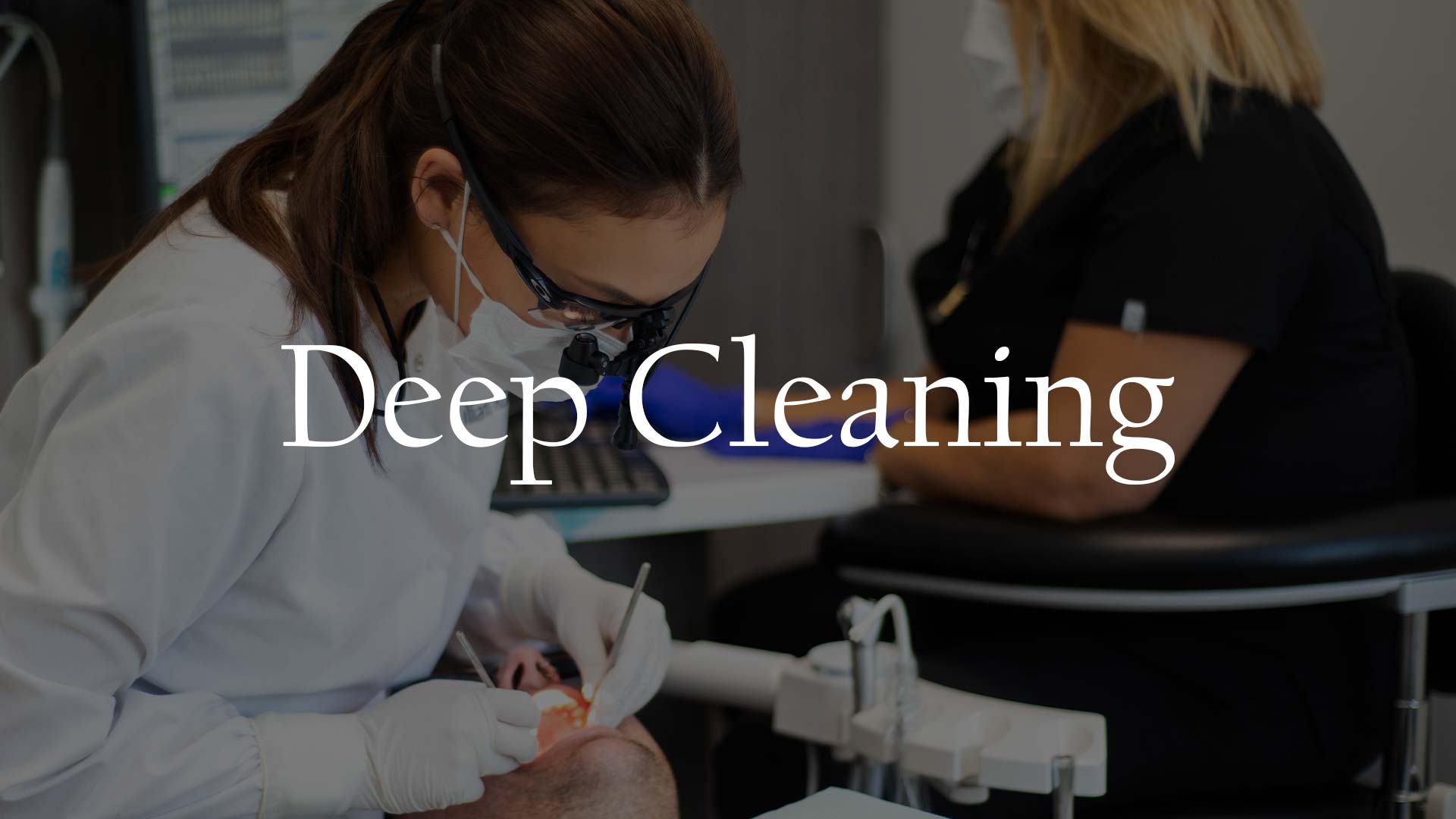
Many people fear hearing the word dental deep cleaning as it is the typical mindset of many people. Yeah, certain procedures are indeed quite difficult as patients don’t experience any pain in their entire life because of the accessibility of numbing methods. Maintaining proper hygiene and care helps eliminate plaque and food particles left over in the gum areas that further spread infection and bacteria. However, what about deep teeth cleaning to eliminate germs in gum pockets and promote gum disease healing?


Fact About Dental Teeth Cleaning

The experience of dental teeth cleaning of every patient varies from one to another. Some patients may not experience pain and discomfort during and after the teeth cleaning in houston procedure, even without anaesthetics. Others feel a little pain during and after the deep dental cleaning process. However, individual pain and discomfort are based on the severity of gum pockets and root surface irregularities. Generally, if the periodontal pockets are deep, pain will occur automatically.


How Painful Dental Deep Cleaning Process?

Patients with dental anxiety or fear of pain can consult a periodontist about anaesthetic options, such as topical or injectable anaesthetics.


Sleep dentistry allows patients to sleep throughout the procedure, eliminating fear of pain. Before a dental deep cleaning, gums may be swollen or inflamed, and deep pockets may be filled with bacteria. Scaling and root planing can correct these issues but may cause discomfort and bleeding. A local anaesthetic may be administered if the procedure is likely to cause severe irritation. emergency dental care houston specialists can manage the pain throughout the procedure by breaking down the procedure into multiple stages, preventing or reducing discomfort.


Benefits Associated With Deep Teeth Cleaning

  • Dental deep cleaning eliminates plaque and tartar buildup in the gumline that causes gum disease.
  • After eliminating bacteria and debris, deep cleaning renders you fresh breath and an odour-free smell.
  • Deep cleaning reduces the development of tooth decay, helps in preserving natural teeth, and avoids painful cavities.
  • Professional teeth cleaning reduces the chances of developing complex health issues like oral cancer and other life-threatening diseases.
  • Deep cleaning resolves issues like exposed tooth roots and reduces tooth sensitivity to hot or cold temperatures.


  • Regular follow-ups with dentists have proven beneficial for oral and other health issues, thus reducing the chances of preventing infections and maintaining a germ-free and healthy mouth.
  • Deep cleaning can stop teeth loss and the need for extractions by treating underlying oral health issues.
  • Clean and healthy teeth significantly contribute to a brighter and shining smile that leads to improved aesthetics and overall appearance.
  • Investment in teeth cleaning is a wise decision, helping you save money in the long run and protecting you from costly dental procedures and treatments.

Wrapping It Up

When unable to bear the pain and can’t make decisions, what should we do or not? It is wiser to consult with the Emergency dentist open Saturday to discuss the options. Depending on your oral condition, they will recommend other dental treatment options that are not too intense and unbearable.

Read more…

Are you considering obtaining Invisalign to neaten your teeth? This is all the information you require regarding the Invisalign procedure, from beginning to end! Though adult Invisalign Treatment was once unusual, more and more individuals are now aware of how simple it is to straighten uneven or crooked teeth at any age. Because Invisalign is simple to use and clear, its popularity is rising. This article addresses frequently asked concerns regarding the procedure to assist you in determining if this could be the best course of action for you.


The Defined Invisalign Procedure

Determining whether Invisalign is the correct option for you will be easier if you know what to anticipate from the procedure. You'll quickly achieve a gorgeous smile with a few simple actions and some patience!


Your First Talk

Your dentist will inspect your teeth and examine your objectives for Affordable Cosmetic Dentistry at your initial consultation. If Invisalign is a treatment you should consider, your dentist will let you know. Individuals need to be a better fit for this kind of teeth straightening procedure. Your dentist will discuss your alternative options with you if such is the case. You will talk about the treatment plan and the anticipated duration of treatment if you are a candidate for Invisalign.


Assembly of the First Tray

When the time comes for you to pick up your Invisalign trays, it's time to come back. Your dentist could establish tiny extensions on your teeth to aid with the trays' retention. These buttons are transparent, nearly undetectable, easy to install, and transient. After your dentist has determined whether your aligners fit properly and your trays have been placed, along with a thorough explanation of your aftercare regimen, you're good to go!


Appointments for Follow-Up

You will visit the Invisalign Dentist Near Me every few months to see how the treatment is going. Usually, this happens right before your supply of aligners runs out.


You will learn throughout these examinations whether the initial plan for your aligners needs to be modified for future appointments. At most, you should get through the aligners quicker. Occasionally, you could need fewer aligners than others.


The Molding Procedure

The process of digital molding comes next. Depending on when it fits into your calendar, this could occur during your initial dental appointment or later.


Digital scans, photos, and X-rays accurately model your teeth and jaws. These are forwarded to the Invisalign lab so that your personalized aligner trays may be made.


More vertical teeth!

Your teeth will have straightened up after some time. The extent of initial misalignment always decides the result, but if you wear your braces as directed, you will eventually have straighter teeth. Invisible braces for adults or teens are the best option for straightening crooked teeth without visible wires.


How Do I Clean My Teeth with Invisalign?

The great thing about Invisalign is that you can remove the trays whenever necessary. It's advised you keep them on all day, every day, for at least 22 hours, but it's entirely expected that you will take them out to brush your teeth. Pop the tray release and brush your teeth as regular. Clean your trays with stony water, and set them back when you're accomplished.


To Put in the brief

Selecting the best Dental Office Houston to begin your Invisalign treatment is crucial. Someone who assists you at every stage, someone who explains the procedure and associated fees in detail, and someone who offers a comprehensive service that keeps you informed about what will happen next. Speaking with a skilled dentist may help you decide which course of action is best for your unique situation and ensure that the changes you make to your smile will be long-lasting, safe, and effective.

Read more…

Numerous foods and water sources naturally contain fluoride, a mineral. Fluoride is a substance that dentists use to maintain teeth and lower the incidence of excavations.


How does fluoride function?

The outermost coating of your teeth, called enamel, absorbs and loses minerals daily.

Too much demineralization without adequate remineralization leads to tooth decay.

Dental fluoride strengthens your enamel's defense against acid erosion, which helps prevent tooth decay. Early deterioration is also reversed by it.


What age is optimal for consuming fluoride?

Fluoride dosages for infants and kids between six months and sixteen are necessary. Fluoride benefits growing teeth just as much as it is to already-erupted (grown-in) teeth. Instead, the doctor advises using ready-to-feed formula, prepared formula combined with fluoride-free water, or breast milk (chest milk).

Additionally, the ADA advises young children to:


  • Applying fluoride toothpaste to teeth with a pea-sized amount each time.
  • Instead of swallowing the toothpaste, they spit it out.
  • Fluoride mouthwashes should not be given to kids younger than six unless a dentist or other healthcare professional recommends them.

Is fluoride beneficial for adults?

Yes, without a doubt! There is a widespread misperception that fluoride is only for children or that it primarily strengthens teeth throughout their growth. Fluoride Treatment For Adult- aids in preventing caries, or decay, in individuals of all ages. Fluoride benefits older people since they can occasionally experience xerostomia or dry mouth. Medication side effects frequently result in xerostomia, and saliva declines typically.


Which kinds of fluoride treatments are there?

Fluoride treatment are available for both in-office and at-home administration at your dentist. Visiting the dentist will simplify and expedite the process. After thoroughly drying your mouth, including your teeth, your dentist or hygienist applies fluoride gel or foam to your teeth by "painting" it on or placing it in a tray that you wear for a short while. It is usually straightforward to get the surgery done without swallowing.


Adults can also obtain prescription fluoride treatments, primarily gels, at home. These treatments depend on your specific needs, your risk of dental decay, and the fluoride content of the water in your area. Prescription gels that can be brushed on the teeth are typically used for these treatments. These are procedures that a dentist can recommend based on your specific needs.


Does fluoride have any hazards or adverse effects?

Spots on teeth affected by fluorosis might be pale white or dark brown. During tooth development, these patches frequently appear in youngsters younger than six years old.

The most common cause of fluorosis is ingesting naturally occurring fluoride, such as in healthy water. Analyzing a sample, you may determine how much fluoride is in your healthy water.


To get to the point

Fluoride can be seen inherently in numerous meals and water sources. Fluoride is a powerful tool that dentists use to improve tooth enamel and lower dental cavity risk. Fluoridated water and over-the-counter fluoridated products make it challenging to attain hazardous fluoride levels, even though high fluoride concentrations can be harmful. Speak with your Professional Fluoride Treatment specialist to learn whether you require expert fluoride treatments.

Read more…

Braces are a common orthodontic treatment to align teeth and create a beautiful, healthy smile. Power chain braces have gained popularity because of their effectiveness and versatility. Orthodontists use this to remove the gaps between the teeth during orthodontic treatment.


Let us know more about power chain braces.


What are power chain braces?

Power chain braces are orthodontic devices that are used to correct tooth misalignments. Power chains are a series of elastic ligatures secured in a chain-like structure, usually made of a durable and flexible material like latex. These chains are strategically placed on the brackets of the braces, creating a continuous force that allows the teeth to move back to their original positions. Proper alignment helps to align your teeth and keeps your teeth healthy and your smile beautiful.


Different types of power chain braces

Power chain braces are of three types: closed, short, and long. These names are derived from the sequence of the chain in association with the teeth.


Closed: In this, the chain is attached to every tooth.

Short: The chain is attached to every other tooth.

Long: The chain is attached at every third tooth.


How do you take care of power chains?

Power chains are a significant part of the orthodontic process. Therefore, you need to take proper care of the power chains to get the best result from your treatment. There are no additional changes to the routine; you have to keep the same oral hygiene habits as traditional metal braces.


You will find more food trapped in the elastics, but it is not a serious matter. You just have to focus and spend more time brushing to ensure no decay or cavities. Poor oral hygiene, even for a short time, can increase the treatment time and potentially damage your teeth and gums.


Considerations and Maintenance

Power chain braces have several benefits, but there are a few things to keep in mind while receiving treatment. Routine dental examinations and adjustments are needed to monitor progress and make the necessary changes to the power chain. Maintaining overall dental health and preventing issues like plaque development around brackets should be removed with the continuous habit of good oral hygiene. This includes daily brushing and flossing your teeth for good oral hygiene.


Therefore, it's also crucial to adhere to any specific dietary guidelines that the orthodontist may recommend. Some foods, like hard nuts or sticky candies, can damage the braces and interfere with your treatment time and effect. Talk to your biscayne park orthodontist if you have any problems or other issues. Your orthodontist is there to help you with any problems.


In Conclusion

However, power chain braces are a very helpful and valuable tool to make your treatment more effective. They are an efficient orthodontic tool that helps to provide many solutions for various dental issues. Therefore, this orthodontic tool can help enhance your smile. Your orthoodntist may also use double power chain braces to achieve your desired smile goals. If you're considering power chain braces, consult your orthodontist to determine if they are the right option. Book an appointment with your dentist, know your options, and get your personalized treatment plan tailored to your unique dental needs. Talk to the best orthodontist near me and achieve your smile goals.

Read more…

Does Invisalign Make Your Teeth Perfect?

Achieving a perfect smile has been a timeless aspiration, and with advancements in orthodontic technology, options like Invisalign have become popular choices. But does Invisalign make your teeth perfect? In this exploration, we'll delve into the facts surrounding Invisalign, its applicability for both adults and teens, and the crucial role of retainers in preserving the results.

Facts About Invisalign

Before we explore the potential for perfection, let's establish some essential facts about Invisalign:

1. Customized Treatment:

Invisalign employs a personalized approach to treatment. Each set of clear aligners is crafted to address the unique needs and contours of an individual's teeth. This tailored strategy ensures that the aligners work in harmony with your specific dental structure.

2. Virtually Invisible:

One of the defining features of Invisalign is its near-invisibility. The clear aligners discreetly fit over your teeth, making the orthodontic process far less noticeable compared to traditional braces. This characteristic is particularly appealing to individuals seeking a more inconspicuous path to a perfect smile.

3. Comfortable and Removable:

Invisalign aligners are designed for comfort. Made from smooth, comfortable materials, they eliminate the irritation often associated with metal brackets and wires. Additionally, being removable allows individuals to enjoy their favourite foods without restrictions and maintain optimal oral hygiene.

4. Gradual Tooth Movement:

Invisalign operates on the principle of gradual tooth movement. Each set of aligners is worn for a specified period, gently nudging the teeth into the desired position. This approach minimizes discomfort and allows for a more controlled and predictable transformation.

5. Monitoring Progress:

Dentists closely monitor the progress of Invisalign treatment. Regular check-ups enable adjustments to the treatment plan, ensuring that the aligners continue to guide the teeth effectively. This monitoring contributes to the precision of the results.

Invisalign for Adults and Teens: Tailoring Solutions for All Ages

1. Adults:

Invisalign has become a preferred choice for adults seeking orthodontic treatment. The discreet nature of the clear aligners aligns with the professional and social lifestyles of adults. It allows them to pursue a perfect smile without the aesthetic concerns often associated with traditional braces.

2. Teens:

Invisalign has also emerged as a popular option for teenagers. The aligners offer a degree of flexibility and convenience that aligns with the dynamic lives of teens. The ability to remove the aligners for activities like sports or special occasions is a notable advantage, making the treatment more adaptable to the teenage lifestyle.

3. Compliance Indicators:

In the realm of orthodontic solutions, Invisalign for adults and teens stands out, offering a revolutionary approach to teeth alignment. A distinctive feature of Invisalign Teen is the incorporation of compliance indicators on the aligners. These discreet blue dots serve as visual cues, gradually fading with consistent wear. This ingenious addition caters to concerns about teen compliance, providing both parents and teens with an effective tool to monitor adherence to the treatment plan. With Invisalign, the journey to a perfectly aligned smile becomes not only transformative but also tailored to the dynamic lifestyles of both adults and teenagers.

Preserving Invisalign Results with Retainers: The Final Touch

While Invisalign plays a pivotal role in achieving the desired tooth alignment, the journey doesn't end once the aligners are retired. Retainers become essential in preserving the results and ensuring that the teeth remain in their newfound perfect positions.

1. Types of Retainers:

There are various types of retainers, and your orthodontist near you will recommend the most suitable option for your case. Common types include removable retainers and fixed retainers (bonded to the back of the teeth).

2. Consistent Wear:

Wearing retainers consistently is crucial for maintaining the achieved alignment. Initially, they may need to be worn full-time and then gradually transitioned to nighttime use. This ensures that the teeth retain their ideal positions over time.

3. Long-Term Commitment:

Preserving the perfection achieved through Invisalign requires a long-term commitment to retainer use. Regular check-ups with your Orlando orthodontist will involve assessing the effectiveness of the retainers and making any necessary adjustments.

The Perfection Unveiled at All About Smiles Orthodontic Clinic

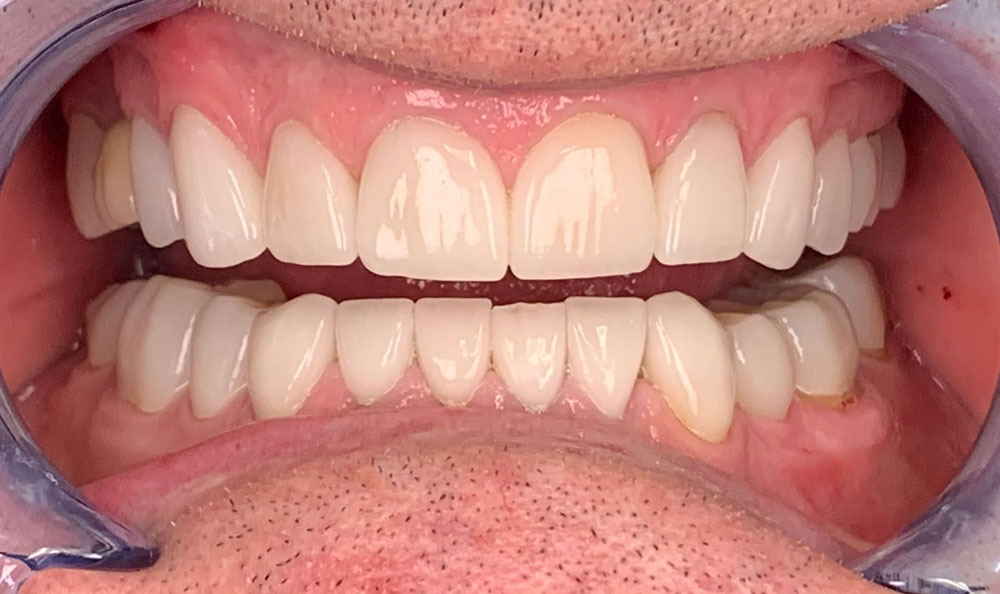
So, does Invisalign make your teeth perfect? The answer lies in the combination of facts about Invisalign, its versatility for both adults and teens and the commitment to post-treatment care with retainers. Invisalign is a powerful tool in the pursuit of a perfect smile, offering a customized, comfortable, and virtually invisible solution for tooth alignment. The final touch, provided by retainers, ensures that the results endure, leaving you with a smile that reflects the perfection you've always desired. Consult with your orthodontist in Orlando to embark on your Invisalign journey and unlock the potential for a radiant, perfectly aligned smile.
Read more…

Why Dental Check-ups Shouldn't Be Missed

Maintaining good oral hygiene is not just about a dazzling smile; it's a fundamental aspect of overall well-being. Dental check-ups play a pivotal role in this journey, offering a proactive approach to oral health that goes beyond brushing and flossing. In this exploration, we delve into why dental check-ups shouldn't be missed, addressing poor oral hygiene, the pursuit of good dental health, and the role of nutrition.

1. The Dangers of Poor Oral Hygiene:

Poor oral hygiene can lead to a cascade of issues that extend beyond the confines of the mouth. When dental plaque accumulates, it harbours harmful bacteria that contribute to cavities, gum disease, and bad breath. If left unchecked, these issues can escalate, potentially leading to more severe conditions such as periodontitis, which has been linked to systemic health problems like heart disease and diabetes.

2. Dental Check-ups as Preventive Measures:

Regular dental check-ups serve as a cornerstone of preventive dentistry. By attending these appointments, individuals can catch potential issues early, before they manifest into more significant problems. Dental professionals conduct thorough examinations, identifying signs of decay, gum disease, or other concerns. Early detection enables prompt intervention, often preventing the need for more invasive and costly treatments.

3. The Holistic Impact of Good Dental Health:

Good dental health is not just about a gleaming smile; it's a key player in maintaining overall health and well-being. The oral-systemic connection highlights the intricate relationship between oral health and various systemic conditions. Conditions like endocarditis, cardiovascular disease, and diabetes have been linked to poor oral health. By prioritizing regular dental check-ups, individuals contribute to a healthier overall lifestyle.

4. Beyond Brushing: The Role of Check-ups:

While daily oral care practices like brushing and flossing are vital, they aren't foolproof. Dental check-ups provide a professional assessment that goes beyond the surface. Dentists in Chestermere have the expertise to detect early signs of issues that may not be apparent to the naked eye. This comprehensive evaluation ensures a more thorough understanding of your oral health status.

5. The Foods You Eat: An Integral Component:

Nutrition plays a significant role in maintaining good dental health. During dental check-ups, professionals often guide dietary choices that support optimal oral health. Foods rich in calcium, phosphorus, and vitamin D contribute to strong teeth and gums. On the flip side, minimizing sugary snacks and acidic beverages can help prevent cavities and enamel erosion.

6. Customized Oral Care Plans:

Dental check-ups are not one-size-fits-all endeavours. Professionals tailor their guidance based on individual needs and concerns. Whether it's recommending specific oral care products, suggesting lifestyle adjustments, or providing personalized tips for better oral hygiene, the advice received during check-ups is invaluable in crafting a customized oral care plan.

7. Building a Lifelong Relationship with Oral Health:

Establishing a consistent pattern of dental check-ups from a young age fosters a positive and proactive approach to oral health. Children who grow up understanding the importance of these appointments are more likely to prioritize their dental well-being into adulthood. This continuity contributes to a lifelong commitment to maintaining healthy teeth and gums.

In conclusion, dental check-ups are not mere appointments; they are proactive steps toward holistic health. Embracing these regular examinations is an investment in not only a radiant smile but also in the overall well-being of the body. From addressing poor oral hygiene to promoting good dental health and providing nutritional guidance, dental check-ups are a comprehensive strategy for cultivating a healthy and vibrant life. Don't miss out on the opportunity to nurture your smile and safeguard your well-being – schedule your next dental check-up today.

Read more…

Dental implants have revolutionized the field of dentistry, providing a durable and natural-looking solution for replacing missing teeth. As with any medical procedure, there are both benefits and drawbacks associated with dental implants. Let's explore these aspects to help you make an informed decision about this popular tooth replacement option.

Benefits of Dental Implants

1. Enhanced Aesthetics:

One of the primary benefits of dental implants is their natural appearance. Implants closely mimic the look and feel of natural teeth, seamlessly blending with the rest of your smile.

2. Improved Speech:

Unlike traditional dentures, which may slip and cause slurred speech, dental implants are securely anchored to the jawbone. This stability enhances speech and communication.

3. Comfort and Stability:

Dental implants provide a level of comfort and stability that is unparalleled. Because they integrate with the jawbone, implants become a permanent part of your oral structure, eliminating discomfort associated with removable dentures.

4. Durability and Longevity:

With proper care, dental implants can last a lifetime. Their durable materials and secure integration make them a long-term solution for individuals seeking a reliable tooth replacement option.

5. Preservation of Jawbone:

Implants stimulate the jawbone, preventing bone loss that typically occurs when a tooth is missing. This preservation of the jawbone structure contributes to better oral health.

6. Easier Maintenance:

Dental implants are cared for just like natural teeth, simplifying oral hygiene routines. Regular brushing, flossing, and dental check-ups are sufficient to maintain the health of the implant.

Drawbacks of Dental Implants

1. Cost:

One of the main drawbacks of dental implants is their initial cost. Implant procedures can be more expensive than alternative tooth replacement options. However, considering their longevity, many individuals view them as a wise investment.

2. Surgical Procedure:

The placement of dental implants involves a surgical procedure, which may not be suitable for everyone. Some individuals may have health conditions that pose risks, while others may be averse to surgical interventions.

3. Healing Time:

The integration of the implant with the jawbone requires a healing period, usually a few months. During this time, patients may need to follow dietary restrictions and avoid certain activities to support successful osseointegration.

4. Potential Complications:

While rare, complications such as infection, nerve damage, or implant failure can occur. Choosing an experienced and qualified dental professional significantly reduces the risk of complications.

5. Not Suitable for Everyone:

Some individuals may not be suitable candidates for dental implants due to inadequate bone density or specific health conditions. In such cases, alternative tooth replacement options may be recommended.

6. Initial Discomfort:

Patients may experience some discomfort and swelling immediately after the implant surgery. However, this is typically manageable with prescribed medications and improves as the healing process progresses.

Making an Informed Choice with Okotoks Dentist

Dental implants near you offer numerous advantages in terms of aesthetics, functionality, and oral health. However, it's essential to weigh these benefits against potential drawbacks and consider individual factors such as budget, health status, and personal preferences.

Consulting with a qualified dentist in Okotoks is crucial to determining whether dental implants are the right choice for your specific situation. Their expertise will guide you through the decision-making process, ensuring that you make an informed choice based on your unique needs and circumstances.

In the end, the benefits of dental implants often outweigh the drawbacks for individuals seeking a long-term, natural-looking solution for missing teeth.

Read more…

Is obstructive sleep apnea a condition?

When a person experiences breathing disruptions while asleep, it can lead to an agonising condition called sleep apnea. Individuals who have untreated sleep apnea may cease breathing hundreds of times during the night.


Obstructive, central, and mixed sleep apnea are the three varieties. Obstructive sleep apnea is the most prevailing of the three. When the upper airway is partially or obstructed while you sleep, you can develop obstructive sleep apnea.


The respiratory control centre in central sleep apnea is unstable, which prevents the brain from telling the muscles to breathe even though the airway is not closed. Oral appliance therapy is not used to treat central apnea since it is associated with primary nervous system function.


Who is susceptible to sleep apnea?

The prevalence of obstructive sleep apnea is around 10% in women and 25% in males. All ages are susceptible to obstructive sleep apnea, but those over forty and those who are overweight are more likely to be affected than others. Babies and children are not exempt. Patients suffering from obstructive sleep apnea often share specific physical characteristics and clinical aspects.


What consequences might obstructive sleep apnea cause?

Many health issues, including hypertension, stroke, arrhythmias, cardiomyopathy enlargement of the heart's muscular tissue), congestive heart failure, diabetes, and heart attacks, can arise from untreated obstructive sleep apnea. Furthermore, untreated sleep apnea may contribute to academic underachievement in children and adolescents, as well as employment impairment, work-related accidents, and auto wrecks. A Sleep Apnea Mouthpiece resembles an orthodontic retainer, and custom fits your teeth and mouth.


How is obstructive sleep apnea treatment with oral appliance therapy?

Dental appliances or oral mandibular advancement devices that advance the lower jaw forward and stop the tongue from blocking the throat can be produced for patients with soft to mild obstructive sleep apnea. These gadgets support maintaining an open airway while you sleep.


The dangers of treating obstructive sleep apnea with oral appliances

Oral appliance therapy carries the following risks:


  • Bite adjustments
  • Loose teeth
  • A requirement for replacement dental work
  • Excessive salivation
  • Pain in the temporomandibular joint, teeth, and jaw
  • Dry mouth sensation


The advantages of treating obstructive sleep apnea with oral appliances

  • It can lessen or completely stop snoring and improve symptoms of OSA, such as moodiness, Daytime tiredness, and difficulty concentrating.
  • Provides an alternative for those who are unable to tolerate CPAP
  • Is it more convenient to travel with
  • operates without the need for electricity
  • Is Silent


Obstructive sleep apnea symptoms

The bed companion frequently notices the early symptoms of obstructive sleep apnea before the patient does. Many of those impacted report no problems with their sleep. The following are the most typical signs of OSA:


  • Weariness or drowsiness during the day
  • During sleep, restlessness
  • Snoring
  • Sweats at night
  • Dysfunctional sexual behaviour
  • Headaches
  • Abrupt awakenings accompanied by a feeling of choking or gasping
  • Upon awakening, a painful throat or dry mouth
  • Intellectual disability manifested as difficulty focusing, forgetfulness, or irritation

In a nutshell

Sleep apnea is a frequent disorder with numerous consequences on daytime functioning and sleep. Obstructive sleep apnea has been associated with multiple significant adverse daytime outcomes, including impaired cognitive function, mishaps, high blood pressure, heart attacks, strokes, and insulin resistance. In case of any emergency, you must visit an emergency dental care near me for your oral health.

Read more…

In the realm of oral health, understanding and addressing dental emergencies promptly are paramount for maintaining overall well-being. In this comprehensive guide, we will take a closer look at the most common dental emergencies, providing detailed insights and actionable information to empower readers to handle these situations with confidence.

Severe Toothaches

Dealing with a severe toothache can be distressing, as it often indicates underlying issues such as cavities, infections, or dental trauma. The pain can range from a dull ache to an intense, throbbing sensation, requiring immediate attention. To alleviate the discomfort temporarily, rinsing your mouth with warm water and using a cold compress can provide relief. However, it is imperative to schedule an appointment with an emergency dentist near you promptly to address the root cause.

Cracked or Fractured Teeth

Accidents or biting on hard objects can lead to cracked or fractured teeth, presenting challenges in both aesthetics and functionality. The severity of the fracture determines the appropriate course of action. For minor cracks, dental bonding may suffice, while more extensive fractures may necessitate dental crowns or veneers. Seeking immediate dental attention at the emergency dental hospital is crucial to prevent further damage and potential infection.

Knocked-Out Tooth

A knocked-out tooth is a dental emergency that demands swift and precise action for the best chances of successful re-implantation. Gently rinse the tooth without disturbing the attached tissue and attempt to reposition it in the socket if possible. In cases where re-implantation is not feasible, placing the tooth in a container of milk or saliva and seeking immediate dental care is crucial. Every moment is precious in saving a knocked-out tooth.

Abscessed Tooth

An abscessed tooth, marked by a bacterial infection and the formation of a pus-filled pocket around the tooth root, requires immediate attention. Symptoms may include severe pain, swelling, and potential systemic issues like fever. Timely intervention, often involving antibiotics and a root canal procedure, is crucial to address the infection and salvage the affected tooth.

Lost Filling or Crown

Losing a filling or crown exposes the vulnerable tooth structure, leading to sensitivity and discomfort. Though not always an immediate emergency, prompt attention from your dentist in York is vital to prevent further damage. In the interim, you can use dental cement or sugar-free gum to cover the exposed area, protecting it until professional repair is administered.

Soft Tissue Injuries

Accidents can result in injuries to the lips, cheeks, tongue, or gums, demanding careful attention. Gently cleanse the affected area with warm water and apply a cold compress to alleviate swelling. For severe injuries or persistent bleeding, immediate medical attention is necessary to prevent complications and ensure overall oral health.

Taking Charge of Your Oral Well-Being with Caledonia Crosstown Dental Centre

In conclusion, being well-informed about common dental emergencies empowers individuals to take charge of their oral well-being. Timely and precise actions, along with professional dental care, can make a significant difference in the outcome of these situations. Remember, your oral health is invaluable, and swift responses to emergencies contribute to a lifetime of healthy smiles.

FAQs on Dental Emergencies

  1. Can I use over-the-counter painkillers for a severe toothache?
    A: Over-the-counter painkillers can provide temporary relief, but it's crucial to consult with a dentist for a proper diagnosis and long-term solution.
  2.  How long can a knocked-out tooth survive outside the mouth?
    A: The chances of successful re-implantation decrease rapidly after 30 minutes. Seek immediate dental care for the best outcome.
  3. Is an abscessed tooth a dental emergency?
    A: Yes, an abscessed tooth requires immediate attention as the infection can spread, leading to severe complications.
  4. Can I wait a few days to see a dentist for a lost filling?
    A: While temporary measures can be taken, seeking prompt professional care is essential to prevent further damage and complications.
  5. What should I do if I accidentally bite my tongue or lip?
    A: Clean the area gently, apply a cold compress, and seek medical attention if bleeding is persistent or the injury is severe.
  6. How can I prevent dental emergencies?
    A: Maintaining good oral hygiene, attending regular dental check-ups, and avoiding habits that can lead to dental trauma can help prevent emergencies.


Read more…