All Posts (5103)
Sort by
Teenagers may request Invisalign Teen braces when the time comes. Invisible clear aligners are more stunning and less noticeable than traditional metal braces. They are also more leisurely to clean, cost-effective, and durable. Plus, your teen feels more secure in social environments. In this article, you will understand why Invisalign Teenagers are trending. Let’s get going.
Invisalign for Teens vs Invisalign for grown-ups
Invisalign For Teens is similar to Invisalign for adults, but the two therapies differ significantly. Unlike Invisalign for grown-ups, the aligners used in Invisalign Teen have a smallish dot on the back. That dot will switch from blue to remove to white, relying on how often a teenager wears them. The more teenagers wear their Invisalign aligners, the more readily the dot's color will vary hues.
Why do teenagers go for Invisalign?
Below are the numerous vital issues that arise when your teen always reminds you of the aligner way.
Less Evident than Standard Braces
The most significant benefit of Traditional Braces is they are virtually hidden. Invisible clear aligners are less noticeable. Kids with braces tend to secrete their smiles. Let your teens glow with the opportunity to dismiss their braces for photos. They’ll also feel more secure with Invisalign Teen aligners. That’s a reality.
Easy to Clean and Preserve
Cleaning is much more comfortable when essential than cleaning metal braces. Metal braces can be an annoyance when it arrives time for brushing and flossing. Since all braces are transient, many teens will skimp on grazing or flossing.
It is less bitter than other braces.
It’s not easy managing your teenagers' discomfort. Luckily, Invisible aligners are much less bitter than metal braces. Metal braces have extensive anchors on each tooth, which can dig into lips and cheeks, and they can sometimes be painful if your teens aren’t careful.
No Dietary Restrictions
Most braces require a diet restricting complex meals like popcorn and ice on the cob. Metal braces are also unfortunate when tightened, preventing teens from enjoying the foods they love. If you need advice about your invisalign, visit dentists in houston tx.

More irregular Headaches and Oral Problems
Many teens opt for Invisalign Teen because they want straight teeth and a secure smile. Crooked teeth can also cause other problems, such as difficulty brushing teeth when they crowd over other teeth.
What Necessities Does Invisalign Teen Treat?
They are using progressive technology. Invisalign Teen can dine a broad range of dental and orthodontic necessities. In the past, these were usually treated with traditional braces. These conditions include:
- Widely spaced teeth
- Extremely crowded teeth
- Crossbite
- Overbite
Concluding the matter
More teenagers than ever are selecting Invisalign because of its hidden formation and unrivalled convenience. However, your teenager must wear their aligners as directed by their invisalign dentist in houston. If patients cannot keep up with their therapy plan, their improvement may slow or switch. For this explanation, some teenagers may find that fixed braces better fit their lifestyle.
Introduction
Maintaining and taking care of oral health plays a significant role in individuals' overall health and well-being and other dental treatments. This article focuses on how well different dental treatments work and their significance in encouraging a healthy, beautiful, and shining smile.
Dental Cleanings
Dental cleanings are supersavers for your oral health issues if you have any dental health issues. Utilizing special dental equipment, dentists eliminate plaque and tartar build-up in between the space of teeth, reducing the chances of developing gum disease and cavities. This is the most effective dental treatment for combating oral health issues.
Fillings
A cavity can result from a tiny hole in your tooth that needs to be filled as soon as possible; otherwise, it will start affecting the surrounding teeth. Dentists use fillings to fix these cavities. To stop the cavity from growing larger and protect your surrounding tooth from further damage, the dentist eliminates the affected portion of the tooth and fills the empty space with a substance that matches your tooth color. Dentists are using Tooth Colored Fillings to blend it with a natural tooth.
Root Canal Therapy
A root canal is the best course of dental treatment when a toothache is troubling you a lot because of an infected or collected pulp. In the root canal treatment process, the dentist's main aim is to eliminate infected pulp by following a cleaning inside of the tooth. Interestingly, root canal treatment saves your natural tooth and prevents you from further oral health conditions like periodontal disease, tooth loss, and oral cancers.
Dental Crowns
Sometimes, a tooth is damaged to such an extent that a filling won't be enough, and that's where dental crowns take the entry. They act like a protected shield for your teeth. Dental Crowns Near Me mainly focuses on restoring the strength and appearance of damaged or weakened teeth.
Tooth Extractions
Sometimes, a tooth is damaged or decayed very badly, creating a problematic situation for the dentist to save. In such conditions, the dentist may recommend a tooth extraction process. During this treatment, a tooth is extracted from enamel using dental equipment. No need to worry because various options are available, such as dental implants, crowns or bridges to fill the uneven gap and maintain the shine of your smile.
Braces and Orthodontic Treatments
Crooked or misaligned teeth can adversely impact oral health and the smile. With Invisalign Clear Aligners or orthodontic treatments, dentists can straighten and align your teeth in a better manner. This improves the way you look and makes it simpler to maintain clean teeth, which helps in preventing problems like gum disease and cavities.
Conclusion
Understanding dental treatments and regular check-ups helps improve overall oral health conditions, reducing the risk of gum disease, oral cancer, and further oral complexities. Regular brushing, flossing, and regular visits with dentists are crucial for maintaining a healthy and happy smile. If you've persistent pain or sensitivity because of the consumption of hot or cold items or bleeding, you must visit Dental Cleaning Near Me in emergency cases.
Introduction
Dental crowns, or caps, are essential for preserving oral health and enhancing the aesthetics of one's smile. These custom-made prosthetic devices are designed to cover and protect damaged or weakened teeth. These dental crowns offer a durable and natural-looking solution. In this article, we will explore the world of dental crowns, delving into their types, benefits, procedures, and aftercare.
When you’re seeking an option for dental treatment, dental crowns houston tx offers flexible payment plans for the convenience of people.
What Are Dental Crowns?
Dental crowns are tooth-shaped caps placed over a damaged or weakened tooth to restore its strength, shape, size, and appearance. When you’re experiencing pain, discomfort, excessive bleeding, or senstivity, then you can avail the facility of dental emergency houston.
Types of Dental Crowns
Porcelain Crowns
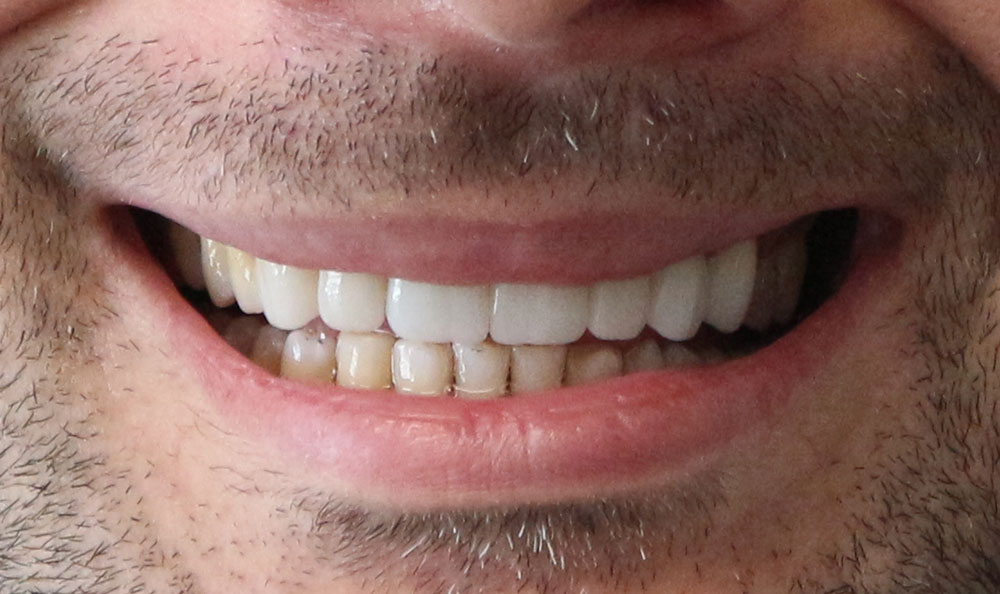
Porcelain crowns are renowned for their natural appearance, making them an excellent choice for front teeth. They closely resemble the color and clarity of natural teeth, ensuring an aesthetically pleasing result.
Ceramic Crowns
Ceramic crowns combine strength with an appealing appearance. They are suitable for both front and back teeth and are an excellent choice for those with metal allergies.
Metal Crowns
Metal crowns, typically made of gold, provide unparalleled durability and can withstand heavy biting forces. While they are less aesthetically pleasing, they are an ideal option for molars hidden from view.
Porcelain-Fused-to-Metal (PFM) Crowns
PFM crowns blend the strength of metal with the natural appearance of porcelain. They are commonly used for back teeth, offering durability and Aesthetics.
Zirconia Crowns
Zirconia crowns are gaining popularity due to their strength, durability, and natural appearance. They are a versatile choice suitable for various tooth positions.
What Are the Benefits of Dental Crowns?
Tooth Restoration
Dental crowns can effectively restore a damaged or decayed tooth, preventing further deterioration and preserving its function.
Aesthetic Enhancement
Crowns can improve the appearance of discolored, misshapen, or poorly aligned teeth, enhancing your smile's Aesthetics.
Protection and Durability
Crowns act as protective shields for weakened teeth, safeguarding them against further damage. Depending on the material used, they can be highly durable and withstand the forces of chewing and biting.
The Dental Crown Procedure
Consultation
The process begins with a consultation with your dentist, who will examine your oral health, take X-rays, and discuss your treatment options.
Tooth Preparation
During this stage, the tooth receiving the crown is prepared. The dentist removes decay, reshapes the tooth, and takes impressions for the custom crown.
Temporary Crown
While the permanent crown is crafted in a dental laboratory, a temporary crown is placed to protect the tooth.
Crown Placement
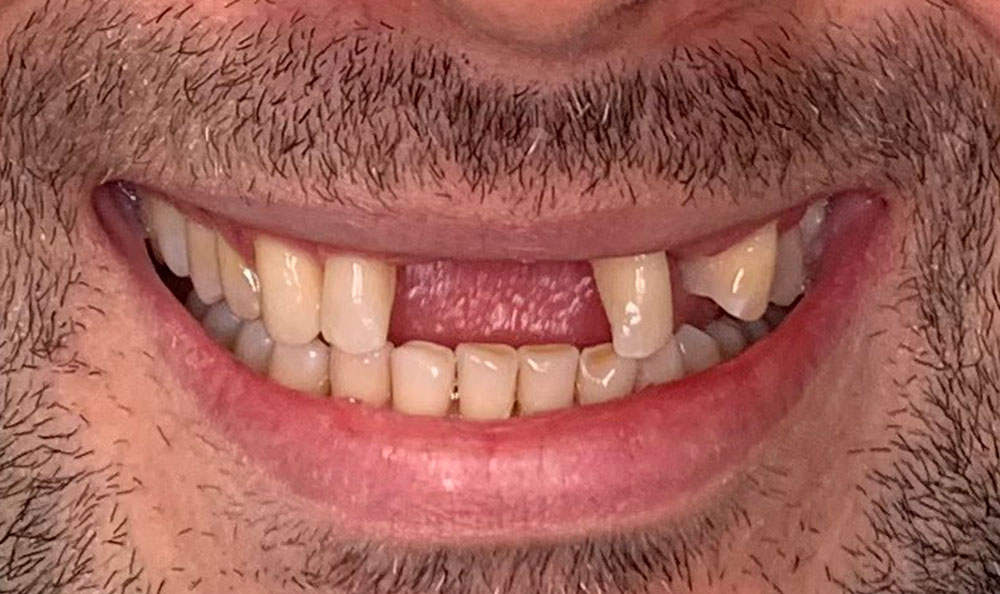
Once the permanent crown is ready, it is bonded to the prepared tooth using dental cement. The dentist ensures the perfect fit, bite alignment, and aesthetics.
Aftercare and Maintenance
Dental crowns require regular care to ensure their longevity and functionality. Here are some essential aftercare tips:
Oral Hygiene
Maintain good oral hygiene by brushing and flossing daily. Regular check-ups and cleanings are essential to prevent gum disease and ensure the crown's integrity.
Diet
Be mindful of your diet, as crowns can be damaged by hard, sticky, or overly sugary foods. Avoid biting down on objects like ice or pencils.
Oral Habits
Refrain from habits like teeth grinding or clenching, which can damage your crown. While maintaining oral health, if something happens accidently, you can go for same day emergency dental.
Check-ups
Attend regular dental check-ups to monitor the condition of your crown and ensure its stability. Arising issues can be addressed quickly during routine check-ups.
Conclusion
Houston dental crowns are a most important part of modern dentistry, offering a blend of form and function. Whether you require tooth restoration, aesthetic enhancement, or both, dental crowns can provide a lasting solution to address your dental concerns. By understanding the different types of crowns, their benefits, the procedure involved, and the necessary aftercare, you can make informed decisions about your oral health.
Millions of individuals have undergone gum pain. You feel a sharp ache when you skim or floss, and your inflamed gums may occasionally even bleed when you skim or floss. Many individuals don't give sore gums much thought because the discomfort is usually not too intense and is a common issue. Nevertheless, irritated gums may be a precursor to gum infection. Thankfully, feasting sore gums is generally relatively easy, especially if you locate them early in gum disease. This article will explore what causes swollen gums and what you can do about them.
Gum pain Reason
Gum disease, illness, overbrushing, and poor flossing strategies can cause sensitive and uncomfortable gums. Blood diseases, vitamin K insufficiency, hormonal transformations during pregnancy, and other conditions could be additional reasons unrelated to dental care.
Gum infection is typically associated with sore, swollen, and bleeding gums. Gum discomfort can ensue in both stages of gum disease.
- Gingivitis: The before and mildest type of gum condition, gingivitis is generally indicated by sore gums as one of the initial signs. If not dined, gingivitis can develop into more unbearable gum disease.
- Periodontitis is a more extreme form of gum illness that can lead to tooth loss and other health issues.
Among the other causes were:
- Diet: A healthy, well-balanced diet can control gum disease and painful gums. A diet rich in calcium and vitamin C may reduce the risk of gum illness.
- Use of Tobacco: Smoking raises your chance of developing gum disease and painful gums.
- Stress causes the body to produce more cortisol, increasing inflammation risk. Try to lessen your anxiety.
- Absence of Oral Hygiene: Adequate oral hygiene is the most excellent strategy for preserving the health of your teeth and helping avoid painful gums.
Relief & Treatment for Sore Gums
You can follow specific Sore Gums Treatment to relieve pain if your gums feel sore. These include:
Gingivitis, a condition marked by sensitive or aching gums, affects a lot of people. Furthermore, 80% of sensitivity begins at the gum line, which increases the significance of giving your gums extra attention.
The following advice is the best place to start because it addresses many of the factors that contribute to sensitive gums:
- Brush with sensitivity toothpaste at least twice a day. The Crest Gum and Sensitivity Product line offers a range of solutions to best suit your needs.
- Use a toothbrush with gentle bristles.
- At least once a day, floss
- Regularly visit the Laser Dentistry near Me
- Maintain a balanced diet.
When to consult an expert
While at-home remedies could temporarily relieve bothersome gum swelling, they cannot replace a medical professional's diagnosis and treatment.
Serious problems may result from underlying disorders. Anyone experiencing swollen gums should seek a specialist for a diagnosis and Treatment.
In summary
Swollen gums next to a tooth could be caused by gum infection, poor dental hygiene, or a spot. See your Emergency Dentistry Near Me to ensure your swollen gums are treated as best you can. Spending a few minutes each day on proper oral hygiene procedures, including brushing and flossing, can spare you the trouble, money, and time associated with treating a health issue like a periodontal condition.
Dental implants are titanium synthetic tooth roots inserted into the mandible. Titanium is a rigid metal. When your dentist says you require implants, you first want to know which kind will work pleasingly for you. This article will help you understand the many kinds of dental implants if you need clarification on the type you need. In an emergency, you must visit the best dentist in houston tx.
Advantages of implants in teeth
Dental implants are typically quite resilient when crowned and closely resemble natural teeth in appearance and texture. Compared to available alternatives, they have numerous advantages.
Natural appearance and texture
Your tooth's artificial root is a dental implant. Unlike other treatments like dentures, dentists can place a crown on top of an implant, which may feel more comfortable and help resemble a genuine tooth.
Behaves when speaking and chewing like actual teeth
When you chew, a dental implant resembles your teeth more than a conventional denture or bridge. Repairing tooth decay that alters how air moves through your mouth when you speak may also assist in maintaining your speech patterns. To comprehend more about the advantages of dental implants, you have to visit the affordable dental implants in houston texas.
Stops bone loss
Dental implants may detour the bone defects caused by tooth loss. When you lose a tooth, your jawbone is no longer under tension in that area of your mouth. Your body reabsorbs and breaks down some of the bone tissue over time.
Following tooth removal, 30% of the alveolar ridge, the jawbone area that houses the tooth socket, is gone. The most bone loss is seen in the first six months.
Dental Implants Types
Implants Subperiosteal
This is a backup plan for patients who choose not to use the endosteal type. Some patients with more specialized needs find it more suitable.
Subperiosteal implants are an alternative option for patients who do not want or are not candidates for endosteal implants. These implants are positioned on top of the bone rather than inside because they fit into the gum.
Endosteal Implants
These are the most popular kinds of dental implants. They attach to the jawbone precisely, much like a screw. Your gums and jawbone, however, must be strong and in good shape. Occasionally, a bone transplant may be required to build a robust and healthy base upon which the implant can be appropriately positioned.
Implants Zygomatic
While they are a third option, zygomatic implants are only some of the most widely utilized in modern dentistry.
Zygomatic implants are positioned on the cheekbone rather than the mandible and are only utilized when bone augmentation is not an option because it necessitates a more involved process. If you're skipping all of your teeth, full mouth dental implants can return your teeth as well as some of their cores.
To sum it all up
Dental implants are long-lasting prosthetics used to replace teeth' roots. Bridges, dentures, or crowns can cover them.
Although they can deliver long-lasting and natural-looking effects, dental implants are typically more costly than alternative forms of antidote. A dentist can assist you in determining if an implant is the best option for you or if a different type of dental prosthesis would be more appropriate. To get more information, make an appointment for dental implants in Houston.
Does the mere thought of obtaining your teeth cleaned make you tense? Would you rather experience the despair of a toothache or visit a dentist? You're not isolated.
Dentist sedation near me may help patients who dread going to the dentist overcome their fear. Anything from minor dental cleanings to more involved medical therapies can be done under sedation. The degree of fear decides how it is used.
Advantages of Sedation Dentistry
Sedation dentistry can provide several advantages for individuals who experience stress or concern during dental operations.
It can support the following:
- Permit patients to stay comfortable and calm during the method
- Relieve stress and anxiety
- Make the approach more relaxed
- Support patients who have a sharp gag reflex

For valuable information, you can choose the best surfside dental near me for your oral health.
Side Effects of Sedation Dentistry
Reactions to allergens
While uncommon, allergic reactions to the sedative drug may occur in certain people. Any allergies or medical troubles that could improve your risk of an undesirable response should be disclosed to your dentist.
Drowsiness, which can last several hours following the operation, is the most regular adverse reaction to sedation dentistry. It's vital to avoid driving or using heavy machinery while under the sedative's consequences.
Sickness and nausea
Some patients may experience vomiting and nausea after receiving sedation dentistry. However, this is usually mild. If these signs do occur, make sure to stay hydrated and drink small, frequent feeds to assist in easing your discomfort.
Which type of sedation is good for you?
Inhalation Sedation
Nitrous oxide, or giggling gas, is inhaled via a mask during your dental procedure. It has a calming and dizzying effect, but you will still be awake and able to speak with the sunny family dental.
Oral Sedation
Approximately one hour before your visit, oral sedatives are administered as pills. You will feel calm and sleepy, but you will be conscious and able to react to the dentist's queries and directions.
General Anesthesia
Patients who are highly anxious or undergoing more complicated therapies are candidates for general anesthesia. You cannot reply to inquiries or directions throughout the operation since it puts you in a sleep-like state.
Intravenous (IV) sedation
This type of sedation is injected into a vein in your arm and acts fast. After the procedure, you might not recall much of it because IV sedatives can induce amnesia.
How Sedation Dentistry Works
The sedation procedure varies depending on the kind of sedatives utilized. For example, the dentist will also provide usage instructions when recommending a prescription medication for an oral sedative. If the directions are followed, lower anxiety and more relaxation in the dentist's chair are guaranteed. Nitrous oxide doesn't require any preparation. The dentist that use sedation near me will give it before, during, and after the procedure.
However, planning may be needed for sedation. For instance, the dentist may advise refraining from eating or drinking for a few hours before receiving dental work. For more information, visit the tooth crown near me.
In a nutshell
Sedation dentistry offers a secure and reliable substitute for patients who prefer dental care with the slightest discomfort, worry, or fear. Sedatives make dental procedures more accessible and comfortable for the patient and the dentist. It's crucial to consult a licensed dentist.
Do you want to straighten your teeth to improve the way you look, but you detest having metal brackets and wires covering your teeth? With Invisalign or transparent aligners, you may straighten your teeth and fix misalignments without needing metal wires, discomfort, or dietary restrictions while maintaining your natural smile. Invisalign for teens is the version of Invisalign explicitly designed for teenagers.
Clear aligners, or Invisalign, are transparent, removable, custom-made plastic trays that match your teeth. Use gentle pressure to shift them in the right direction. The most significant benefit is that since no one can see your invisible braces, you won't need to hide or feel self-conscious about your grin during treatment. Isn't this great?
This article will learn more about how these Invisalign or other clear aligners straighten your teeth, their process, and their eligibility.

How do clear aligners from Invisalign work?
With the use of Invisalign Clear Aligner, you can progressively straighten and align your teeth by gently pressing on specific teeth to shift them in the correct direction to provide consistent pressure on the teeth and encourage movement; a sequence of specially designed aligners is utilized, which are replaced every two weeks. Each fresh set of aligners will tightly fit your teeth to permit movement until the desired position is reached and you have your gorgeous smile.
Who is qualified to receive clear aligners?
The following are a few dental conditions that Invisalign braces can treat:
- It is possible to treat teeth that have restorations as well.
- These days, many more problems that are difficult to cure with braces, such as rotated teeth, etc., can also be successfully treated because of ongoing developments in Invisalign aligner technology.
- They had crowded, uneven teeth.
- Spaces left by teeth.
- Several upper and lower teeth misalignments are related, including underbites, overbites, crossbites, and overjets.
What is the procedure for straightening teeth with clear aligners?
The steps involved in using dental aligners to straighten teeth can be broken down into the following varieties:
Imaging
Some 3D and X-ray imaging will be performed to find the ideal aligners for you.
Oral examination by the dentist
Your emergency dental care in houston will do a thorough examination and go over the specifics of the process and your future expectations.
Clear aligners created
Custom aligners will be manufactured after impressions of your teeth are taken. You will first be given two sets, each lasting two weeks.

Mild discomfort and pain
These will last for a few days before going away as your mouth adjusts to having aligners in it.
Frequency
The clear aligners must be removed only for eating, drinking, brushing, and flossing. They must be worn for at least 22 hours every day. They won't be able to present you with the intended outcomes until then.
Take care of your aligners
Wash and clean them according to your dentist's instructions.
Concluding the matter
Dentist in houston tx offers some of the most excellent Invisalign precise aligner treatments. With compassion and care, the doctors guarantee the best possible clinical outcomes, thanks to their extensive training and expertise. Modern, state-of-the-art equipment in the clinic further enables excellent outcomes with few problems and optimal comfort.
Greetings, and welcome to our article discussing orthodontics and the incredible advantages of Invisalign teens. If you've been thinking about straightening your teeth or assisting your adolescent with a confident grin, this article is for you! With translucent, nearly undetectable aligners to conventional metal braces. With Invisalign, you can have a contemporary solution that works well without sacrificing appearance.
How Is Invisalign Operational?
Many people wonder this when thinking about this well-liked orthodontic procedure. The cutting-edge technology underlying these transparent aligners holds the key to the solution.
An expert orthodontist will examine your teeth and produce a digital 3D image of your smile during your initial consultation for Invisalign. A set of aligners will be sent to you, each somewhat different from the other. Every two weeks, you'll get a new set of aligners that gradually move your teeth into their proper places.
The finest aspect? You can take out the aligners! With Invisalign, you may eat all your favorite foods without worrying about breaking the wires or brackets like traditional braces.
What Advantages Does Invisalign Offer Adults And Teens?
Enhanced Convenience and Comfort:
Because Invisalign aligners are composed of smooth, pleasant plastic, they do away with the discomfort that traditional braces are known to cause. With Invisalign, teens can resume their favorite activities—like playing an instrument or sports—without being restricted by metal braces.

The Aesthetic Advantage:
Teens can receive orthodontic treatment with little to no visual impact thanks to Invisalign aligners, which are nearly invisible compared to traditional braces. Adolescents self-conscious about their appearance and seeking a discrete orthodontic solution may find this feature incredibly comforting.
Encouraging Teens to Take Charge:
Wearing aligners for at least 22 hours a day during the Invisalign treatment necessitates high responsibility. It teaches children the value of sticking to a recommended action to get a gorgeous, healthy smile.
Improved Oral Hygiene:
Keeping their teeth clean is a common problem for teenagers, especially when they wear traditional braces. On the other hand, invisalign for teens are easily removed for simple brushing and flossing. This promotes healthier dental health during treatment and helps create virtuous behaviors that last beyond the Invisalign experience.

After Invisalign Treatment
Following Invisalign treatment, patients can have a gorgeous, straight smile. However, what occurs when the aligners are removed? It's critical to realize that preserving your newly straightened teeth will take work.
One advantage of Invisalign over traditional braces is that it makes it easy to remove the aligners, simplifying dental hygiene regimens. The wearing of retainers is another thing to think about. You must wear retainers once your Invisalign treatment is over to ensure your teeth stay in their new locations. You should expect detailed instructions from your orthodontist on when and how often you wear them. These after-treatment instructions will help you keep your Invisalign results and give you years of self-assurance with your smile! If You Need more help or know more information about invisalign, visit the invisalign near me.
Concluding the matter
Invisalign's unique advantages for teens are not just straightening teeth; they contribute to a confidence boost that can ultimately impact various elements of a teenager's life. By understanding the aesthetic, comfort, responsibility, and oral hygiene benefits, teens and their parents can decide about choosing Invisalign as the ideal orthodontic solution for a brighter and more confident future. To learn more about the benefits, visit an invisalign dentist in houston.
Are you sick and weary of covering up your teeth because they are cracked, chipped, or discoloured? Do you aspire to have a radiant grin that exudes confidence and life? You only need to consider teeth bonding! We'll delve deep into the world of dental bonding in this extensive tutorial. You need to know this article, including its operation, advantages, and common dental problems it can treat. Cosmetic dentistry procedures like dental bonding before and after can repair chips, cracks, stains, and other defects in your teeth.
Advantages of dental bonding
Versatility
Bonding is a cosmetic operation with a wide range of applications. Numerous dental problems can be resolved by filling gaps, extending teeth, concealing stains, and mending chipping and cracks. It's the preferred choice for many cosmetic dentists due to its adaptability.
Minimally Invasive
Dental bonding is a minimally invasive cosmetic technique, unlike certain other operations. It preserves your teeth's natural structure by requiring minimal enamel removal. This translates into reduced pain and a quicker recovery than longer treatments.
Fast Results
Usually, dental bonding needs one visit to the dentist. The process can be finished in a few hours or a couple of minutes, depending on how much work needs to be done. This implies that you will be able to appreciate a changed smile quickly.
Improved Aesthetics
The capacity of dental bonding to improve the look of your teeth is by far its most obvious advantage. Dental bonding can offer a natural-looking fix for teeth discolouration, gaps in your teeth, or chipped teeth.
Cost-Effective
Dental bonding is frequently less expensive Than other cosmetic procedures like veneers or crowns. It offers an excellent choice for people who want a better smile without going beyond budget.
How Is Dental Bonding Processed?
Your tooth will first be prepared for bonding by the dentist. Before using a conditioning liquid, the tooth's surface will be cleaned and dried. This aids in roughening the tooth's surface to improve the bonding material's adherence. Whether the goal is to cover up stains, reshape uneven teeth, or fill in chips or gaps, they will carefully shape and mould it to get the desired outcome. If you are facing dental issues, visit the teeth bonding in houston tx.

They could make a few last tweaks and polishes to ensure everything appears seamless and natural. The overall effect is a stunning, naturally occurring grin makeover!
What Risks Are Present?
Bonding teeth is an easy, safe outpatient procedure. There are no adverse hazards present.
In contrast to veneers, the dentist doesn't typically scrape down your teeth when placing composite resin, so you can get it corrected without being concerned about how your odd-looking tooth will look. Protect your teeth from cavities at a dental cleanings near me procedure. In addition, composite resin fractures and chips less frequently than veneers and crowns.
Concluding The Matter
A bright smile gives you more self-assurance. See your dentist for a consultation if you have a contusion, a chipped tooth, or a hole in your teeth and you're seeking a low-cost repair.
If you are not a good candidate for this operation, your affordable dentist in houston can suggest other ways to make your teeth seem better.
American Dental Association states that dental emergencies can put an individual life at risk and require immediate treatment. You must consult emergency dentist in houston in cases of excessive bleeding, severe infection and pain. It's not necessary that all dental emergencies put life into troublesome situations. A dental emergency adversely affects teeth or supporting tissues that require immediate attention to protect yourself from functional, biological, or aesthetic issues.
What To Do in Dental Emergencies?
When you're in a difficult situation and not able to make decisions. What to do or not. Here are some effective tips that help you during dental emergencies:-
- Keep yourself calm and try to find a solution.
- Rinse your mouth with lukewarm water to balance the condition.
- Floss your teeth to remove leftover debris or food particles from teeth edges.
- Gently replace a knocked-out tooth and handle it carefully by the crown rather than the root.
- You can store it in milk or saliva if you face difficulty reinserting.
- Contact the local dentist office in houston tx, immediately for prompt treatment.
What Common Dental Situations Requires Emergency Treatments?
Following are the dental conditions that require immediate care and treatment. Let's have a quick look at them:-
Tooth Extractions
If a tooth is severely damaged and causes unbearable pain, you need immediate care and a visit to an emergency tooth extraction in Houston. This process helps individuals relieve discomfort, pain, and further complications in the future.
Dental Fillings
A tooth cavity or minor fracture is a common dental issue, but when it becomes severe, dental filing helps restore the tooth's structure and prevent decay from spreading.
Root Canal Therapy
In critical conditions of infections or abscesses, root canal therapy may be required to eliminate infected tissues and save a tooth from further damage.
Dental Crowns
Broken, crooked, or cracked teeth may need to restore natural teeth' shape, strength, appearance, and function.
Emergency Tooth Re-implantation
Sometimes, re-implantation of a knocked-out tooth can save the natural tooth, but it requires immediate dental treatment and attention from the best dentists in houston.
Contacting Emergency Dental Services
Keep in mind that not all dental clinics offer emergency services. Gathering information before dental problems knock on your door is essential. Look for specialized dental offices that provide 24 hour dentist in Houston Texas. Furthermore, dentists resolve issues even after visiting hours. Keep their contact information handy in case of emergencies.
How To Get Relief From Pain in Emergency Cases?
An essential element in the troublesome situation of dental care is pain management. Dentists often suggest painkillers or antibiotics to reduce discomfort, pain and infection. Moreover, cold ice packs should be applied to reduce swelling around the outside of the mouth.
Follow-Up Instructions
You must follow the instructions recommended by your dentist just after receiving emergency dental care. You must record the condition of your teeth and remember to visit your dentist for follow-up appointments.
Conclusion
Handling dental emergencies is challenging, but having prior knowledge of whom to contact for emergency dental services is crucial. Furthermore, how to handle the situation patiently plays a significant role in protecting oral or overall health and preventing further dental complications. Understanding an emergency situation at the right time helps preserve a bold and radiant smile.
At Sage Hill Dental, we understand the importance of optimizing your oral health routine to achieve a bright, healthy smile. One common question we encounter is whether it's best to use mouthwash before or after brushing. In this comprehensive guide, we'll delve into the pros and cons of each method to help you make an informed decision tailored to your oral health needs.
Using Mouthwash Before Brushing: Enhancing Your Oral Care Routine
Pros:
Particle Loosening: Rinsing with mouthwash prior to brushing effectively aids in loosening food particles and debris, optimizing the effectiveness of your brushing session by facilitating their removal with your toothbrush.
Fresh Breath: Starting your oral care routine with mouthwash provides a burst of freshness, enhancing the overall experience of brushing your teeth.
Fluoride Absorption: Certain mouthwashes contain fluoride, a vital ingredient for strengthening tooth enamel and preventing cavities. Using fluoride mouthwash before brushing can enhance fluoride absorption, deeply penetrating the enamel for optimal effectiveness.
It’s essential to take proper care of your mouth after a tooth extraction to avoid oral complications and ensure a speedy recovery. If you have any concerns about your recovery time, don’t hesitate to reach out to Sage Hill Dental in NW Calgary.
Cons:
Plaque Removal: While mouthwash aids in breaking up food particles, it may not effectively remove plaque and bacteria from your teeth compared to brushing.
Toothpaste Dilution: Most toothpaste contains fluoride and other compounds crucial for dental health. Using mouthwash before brushing could potentially wash away these beneficial compounds, reducing the effectiveness of your toothpaste.
Using Mouthwash After Brushing: Completing Your Oral Hygiene Routine
Pros:
Enamel Strengthening: After brushing, using fluoride mouthwash helps maintain fluoride on your teeth for longer, potentially strengthening enamel and preventing cavities.
Fresh Feeling: Mouthwash used after brushing helps remove leftover food particles, leaving your mouth feeling clean and fresh, completing your oral hygiene routine on a refreshing note.
Antibacterial Benefits: Some mouthwashes contain antibacterial agents that can lower the risk of gum disease when used after brushing, providing an extra layer of protection for your oral health.
Cons:
Reduced Freshness: Using mouthwash after brushing may not provide the same immediate burst of freshness as using it before brushing.
Toothpaste Dilution: Similar to using mouthwash before brushing, using it after brushing may dilute the toothpaste on your teeth, potentially reducing its effectiveness.
What is the Right Choice for Your Oral Health
Ultimately, whether you choose to use mouthwash before or after brushing depends on personal preference and individual oral health goals. Both methods offer unique benefits, and you can experiment with different timings to find what works best for you. With regular dental cleanings and checkups you can maintain proper oral health.
In conclusion, optimizing your oral health involves more than just brushing and flossing. By understanding the benefits and drawbacks of using mouthwash before or after brushing, you can tailor your oral hygiene routine to meet your specific needs. Remember, regular consultations with a trusted dental professional are essential for personalized advice and guidance on maintaining a healthy smile.
Schedule your appointment with our dentist in NW Calgary to get a healthier brighter smile! In order to get started, you can drop by our space and talk with a member of our staff in person. We can’t wait to see you very soon!
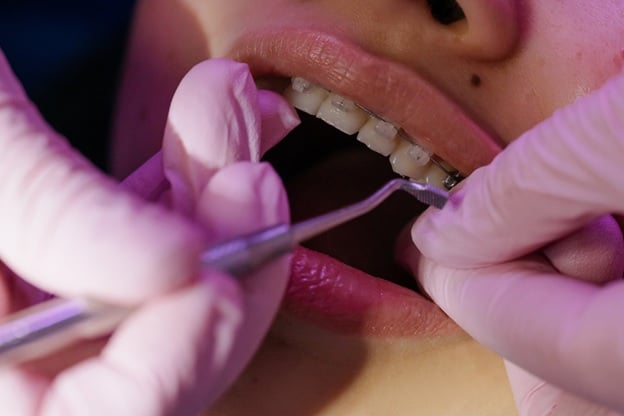
With the introduction of a sports mouthguard, it has become easier to protect teeth and braces while playing sports or performing physical activities. The best part about a mouthguard for braces is that it protects from injuries and keeps braces safe, allowing sports person to enjoy their game. Some common questions come into many people's minds. They're mentioned below:-
Why do sportspersons or athletes require to wear a mouthguard with braces?
Wearing a sports mouthguard for braces is important as it protects the natural teeth, gums, and braces from damage while performing sports activities. The risk of oral injuries can increase when you've got braces in your mouth and are hit with any ball or sports-related item while playing sports. However, a mouthguard lessens the chance of damaging expensive braces or orthodontic repairs by absorbing impact and protecting your braces and teeth.
What type of mouth guard is best for braces?
When buying a mouthguard, always choose a customized or boil-and-bite option tailored to your personal needs, especially when seeking affordable adult braces nearby. These mouthguards conveniently fit over your braces and are comfortable to wear. It becomes possible only as they are made to withstand impact pressure. Search for mouthguards that have more thickness and coverage to protect teeth and braces from unwanted accidents. Take advice from the best orthodontists near me before making a final decision.

How do you take care of a sports mouthguard with braces?
A sports mouthguard requires proper maintenance and needs to be handled with care. Thus enhancing the lifespan and effectiveness of dental appliances. After each use, rinse mouthguards with cold water and clean them with mild soap to eliminate debris or dust particles from accumulation. Don't use hot water for cleaning, as it can destroy the mouthguard and may influence its fitting. You must store the mouthguard in a clean and ventilated container when not in use. Furthermore, they should be kept away from direct sunlight or excessively high temperatures, which enhances the risk of damaging the material.
Is it possible to wear braces and a mouthguard at the same time?
Yes, ofcourse, you can wear braces and mouthguards simultaneously when playing sports. Ensure the fitted mouthguard fits comfortably and accommodates the brackets and wires without disrupting the orthodontic treatment. With follow-up appointments, you will know that mouthguards are working correctly and do not affect the ability to speak or breathe during physical activities. If you face difficulty and discomfort wearing mouthguard braces, consult your orthodontist Miami Beach.
Sum Up
We've covered the common question searches on the internet frequently. They all help individuals enhance knowledge and resolve issues to some extent without personal meetings with orthodontists. After reading the content, you'll get a general idea about mouthguard braces, which protect your braces and teeth from further damage. You must follow proper maintenance and care instructions recommended by your orthodontists, safeguarding both braces and sports mouthguards. Visiting a dental office for a regular checkup helps professionals assess the condition of your mouthguards and braces, making necessary adjustments and replacements if required. Clarify all your doubts regarding mouthguards with orthodontists before starting the dental treatment. Affordable braces for adults near me put all efforts into giving you a bold and radiant smile by customizing plastic or traditional braces.
Regular dental checkups are crucial for maintaining optimal oral health and preventing potential dental issues. But when is the perfect time to schedule your next appointment? In this comprehensive guide, we'll explore the factors to consider when choosing the ideal timing for your dental checkup at Greenwoods Dental Vancouver.
Importance of Regular Dental Checkups
Ensuring Oral Health
Regular dental checkups allow your dentist in Vancouver to assess the health of your teeth, gums, and mouth. They can detect early signs of dental problems such as cavities, gum disease, and oral cancer, enabling timely intervention and treatment.
Preventing Future Issues
By identifying potential dental issues early, regular checkups can help prevent more significant problems from developing. This proactive approach can save you time, money, and discomfort in the long run.
Promoting Overall Well-Being
Maintaining good oral health is essential for your overall well-being. Poor oral hygiene has been linked to various systemic health issues, including heart disease, diabetes, and respiratory infections.
Factors to Consider When Scheduling Your Dental Checkup
Frequency of Visits
The American Dental Association recommends visiting the dentist for a checkup and cleaning every six months. However, the frequency of your visits may vary based on your individual oral health needs and risk factors.
Personal Oral Health Goals
Consider your personal oral health goals when scheduling your dental checkup. If you're undergoing orthodontic treatment, have a history of dental issues, or are interested in cosmetic procedures, you may need to visit the dentist more frequently.
Seasonal Considerations
Some individuals prefer scheduling their dental appointments during certain seasons when they have more flexibility in their schedule. Others may opt for times when their dental insurance coverage resets.
Tips for Choosing the Right Time for Your Dental Checkup
Plan Ahead
Schedule your dental checkup in advance to ensure you get a convenient appointment time that fits your schedule.
Consider Busy Times
Avoid scheduling your appointment during peak times, such as early mornings or evenings, when the dental office may be busier.
Factor in Dental Benefits
Take advantage of your dental insurance benefits by scheduling your checkup before the end of the year to maximize coverage.
Prioritize Oral Health
Make oral health a priority by scheduling regular dental checkups, even if you don't currently have any dental issues.
Choosing the perfect time for your next dental checkup is essential for maintaining optimal oral health and preventing future dental problems. By considering factors such as the frequency of visits, personal oral health goals, and seasonal considerations, you can ensure that you schedule your appointment at a time that works best for you. At Greenwoods Dental Vancouver, our experienced team is dedicated to providing comprehensive dental care to help you achieve and maintain a healthy, beautiful smile. Schedule your next checkup with us today and take the first step toward optimal oral health.
An oral surgeon rather than a dentist may extract a tooth in more complex cases. They frequently remove wisdom teeth or third molars.
The dentist or surgeon will first numb the tooth to assist the patient feel more comfy. A tooth extraction can be crucial for relieving dental pain and averting other problems, even if it may still be irritated. This article describes the many forms of tooth extractions and the reasons behind their necessity.
How do you qualify for tooth extraction?
Before planning the technique, your dentist will examine your tooth. Tell your dentist about your medicines, vitamins, accessories, and over-the-counter medications.
Also, visit affordable dental about any of the following situations:
- Thyroid illnesses
- An artificial joint
- Diabetes
- Adrenal disease
- Injured heart valves
- History of bacterial endocarditis
What is the strategy for a tooth extraction?
It depends on whether your tooth is observable or affected.
Surgical extraction
You will probably obtain both regional and intravenous anesthesia, which will calm and comfort you. Depending on your medical requirements, you may also get general anesthesia. With all-around anesthesia, you will remain senseless during the procedure.
Simple extraction
You will obtain a regional anesthetic, which numbs the area near your tooth so you’ll feel only intimidation, not discomfort, during the procedure. The dentist then uses an elevator instrument to reduce the tooth and forceps to remove it.
Cosmetic Teeth Whitening includes various cosmetic treatments to create a brighter smile.
When Is Tooth Extraction Essential?
Usually, a fill, crown, or other dental procedure can fix teeth that are chipped or harmed by decay. However, the harm is occasionally too incredible to be fixed, and your Tooth Extraction Near Me dentist will recommend extraction.
Some conditions are:
Decay or disease has reached in-depth into the tooth
There isn’t adequate space for all the teeth in your mouth
Wisdom teeth, also called third molars, are often dismissed before or after they come in.
Risk of tooth extraction.
There are a few chances for tooth extraction; however, if your dentist suggests the procedure, the advantages likely outweigh the slight possibility of difficulties.
Other risks include:
Chest discomfort and the shortest of breath
extreme fever and colds, signalling a disease
sickness or vomiting.
After the tooth Extraction
Following dental extraction, you should anticipate some pain and discomfort. Your dentist may occasionally advise you to take a painkiller or write a prescription. Using an ice pack on your cheek may help to minimize swelling. However, immediately call your dentist or oral surgeon if you develop persistent or severe pain, swelling, bleeding, or fever.
Small to medium-sized fillings that must bear moderate pressure from the ongoing stress of chewing benefit greatly from the durability and fracture resistance offered by Tooth Colored Fillings.
To give an overview
Your dentist or oral surgeon can significantly reduce discomfort using local anesthetic and sedatives during tooth extraction. After having a tooth extracted, each person heals differently. Most people will experience a brief yet intense affection for the location.
To avoid this, ask your dentist open near me about replacing the extracted tooth.
Veneers are fragile shells applied to the front of teeth to enhance their overall look, adjust gaps, or heal small chips or cracks. These personalized caps are composed of two materials: porcelain and resin composite.
It's critical to comprehend your options if you're considering treatment. A brief description of composite veneers is given in this article, along with comparisons to porcelain veneers and installation techniques. You must visit the top miami dentists for any other information.
What are veneers made of composite materials?
What are composite veneers? Composite veneers are a dental repair that covers up or fixes defects in the teeth using safe materials.
Veneers are assembled from one or more coatings of resin composite material. They are manufactured specifically to fit over your current teeth. You can use veneers to replace a single tooth or several teeth.
Types of Veneers
Veneers are a cosmetic dental technique that has been around for a while and is still evolving.
Composite
The numerous well-known kinds of veneer are composite, and recent changes to its composition have further enhanced the outcomes. Composite resin fillings comprise plastic, glass, or ceramic materials of the same speciality resin used for dental fillings or bonds.
Ceramic
A more current development in dental repair is porcelain veneers. Most of the time, they are made of feldspar-rich porcelain. Nevertheless, porcelain veneers can only be created in off-site laboratories utilizing advanced 3D modelling and manufacturing strategies, unlike composite veneers, which can be made in an office setting.
Porcelain vs Composite
Several factors must be evaluated when comparing composite to porcelain veneers, including durability, pricing, and installation. Both types of grins are functionally valid, yet they also have advantages and drawbacks. You must know the differences between dental restorations to make the best choice.
How should composite veneers be cared for?
The following advice will help you maintain the best-looking composite veneers:
Make sure to brush your teeth frequently.
This is particularly crucial to do after consuming acidic meals or drinks. Additionally, brush the biting and chewing edges and the entire surface of every tooth.
Make sure to floss once a day, ideally just after eating.
To clean between teeth and under the gum line, use interproximal brushes, little plastic sticks with bristle tufts at either end or regular floss.
Apply mouthwash every day.
Mouthwash rinses assist in dislodging meal particles from under gums and between teeth, making it more comfortable to brush them away without dangerous enamel or discomforting sensitive gums.
Always use toothpaste and mouthwash, including fluoride.
Toothpaste containing peroxide or baking soda is not recommended. These components can erode enamel and create cavities beneath veneers.
Process
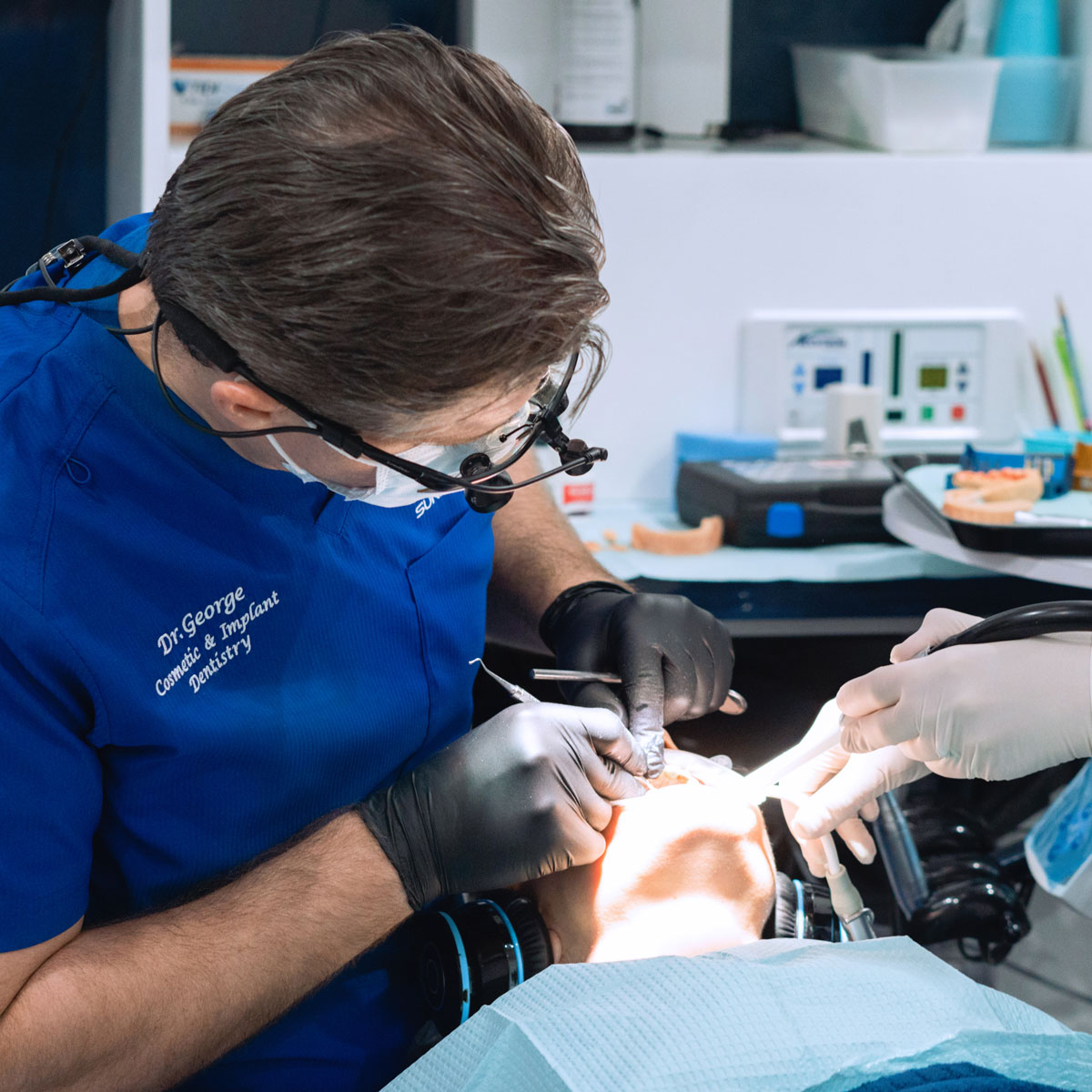
Impressions and imaging
The cosmetic dentist will utilize dental X-rays and other imaging techniques to obtain images of your teeth. It is possible to take an impression of your teeth.
Preparation
A little portion of enamel may need to be filed off to prepare the tooth's surface.
Application
The tooth is covered with an adhesive cement, and then a skinny layer of composite resin is applied one at a time.
A unique light is shone on the region to aid in the hardening and strengthening of the composite resin once it has been applied.
Finalizing the issue
Composite veneers are lean shells of composite resin involved in teeth to improve their appearance, seal small chips or cracks, or adjust minor tooth alignment issues. They are bonded to the surrounding teeth in a single session.
Composite veneers are less intrusive and more affordable than porcelain veneers but aren't as stain- or wear-resistant. Veneers can look great with frequent dental checkups and good oral hygiene practices. Your confidence and smile might significantly improve with Miami veneers.
Composite fillings are a common dental restoration used to repair teeth that have been damaged by decay or trauma. They are made of a tooth-coloured resin material that blends seamlessly with the natural tooth structure, providing both strength and aesthetics. But can you whiten teeth with composite fillings? Let's explore this question in more detail.
Understanding Composite Fillings
Before delving into whether composite fillings can be whitened, it's essential to understand how they differ from other types of dental restorations. Composite fillings are a popular choice for repairing small to medium-sized cavities, as they offer several advantages over traditional amalgam fillings. These advantages include:
Aesthetic appeal: Composite fillings are tooth-coloured, making them virtually indistinguishable from natural teeth.
Bonding capabilities: Composite resin can bond directly to the tooth structure, providing additional support and stability.
Conservative approach: Composite fillings require less removal of healthy tooth structure compared to amalgam fillings.
Can You Whiten Teeth with Composite Fillings?
While composite fillings are highly resistant to staining and discoloration, they may still become dull or discoloured over time, especially if they are exposed to pigmented foods, beverages, or tobacco products. Unlike natural tooth enamel, composite resin cannot be whitened with traditional teeth whitening methods such as bleaching agents or whitening toothpaste.
Alternative Options for Enhancing Your Smile
If you are unhappy with the colour of your teeth, including composite fillings, there are alternative options available to help improve the appearance of your smile:
1. Professional Teeth Whitening
Professional teeth whitening treatments performed by a dentist can effectively lighten the shade of your natural teeth. While these treatments will not whiten composite fillings, they can help create a more uniform and aesthetically pleasing smile by brightening the surrounding enamel.
2. Porcelain Veneers
Porcelain veneers are thin shells of porcelain that are bonded to the front surfaces of the teeth to improve their appearance. Veneers can be customized to match the desired shade of white, allowing you to achieve a brighter, more radiant smile while concealing any discoloration or imperfections in the underlying tooth structure, including composite fillings.
3. Composite Bonding
If your composite fillings in SW Calgary have become stained or discoloured, your dentist may be able to repair or replace them using composite bonding. During this procedure, the fresh composite resin is applied to the existing fillings and sculpted to match the desired shape and colour, restoring the appearance of your smile.
While composite fillings cannot be whitened using traditional teeth whitening methods, there are alternative options available to enhance the appearance of your smile. Professional teeth whitening, porcelain veneers, and composite bonding are all effective solutions for achieving a brighter, more confident smile. If you are considering any of these treatments, be sure to consult with your dentist in SW Calgary to determine the best option for your individual needs. At Bow Trail Dental, we are committed to helping our patients achieve healthy, beautiful smiles they can be proud of. Contact us today to schedule a consultation and explore your options for enhancing your smile.
A discrete, entirely metal-free orthodontic treatment for straightening teeth is called Invisalign. It makes sense that people worldwide have chosen transparent aligners to straighten their teeth because they are gentle, efficient, and nearly undetectable. Are you curious to understand more about getting Invisalign in Houston? Here, you will find all the details for pre-Invisalign.
What is that?
Everyone wants their teeth to be refined and aligned. These days, it's simple to locate several methods for giving teeth the desired appearance. Orthodontic treatment is the most effective technique to get those teeth in alignment. It is among the best ways to get straight teeth. But it has disadvantages as well. Few patients choose this course of treatment since the noticeable and prominent brackets greatly accentuate the appearance of teeth. Before you go in, be sure you know these facts.
1. More misalignments are fixed than you may imagine
Patients frequently tell us that they are pleasantly surprised by how effective Invisalign may be. Before consulting an orthodontist, people with severe misalignment frequently believe that traditional braces are the only option.
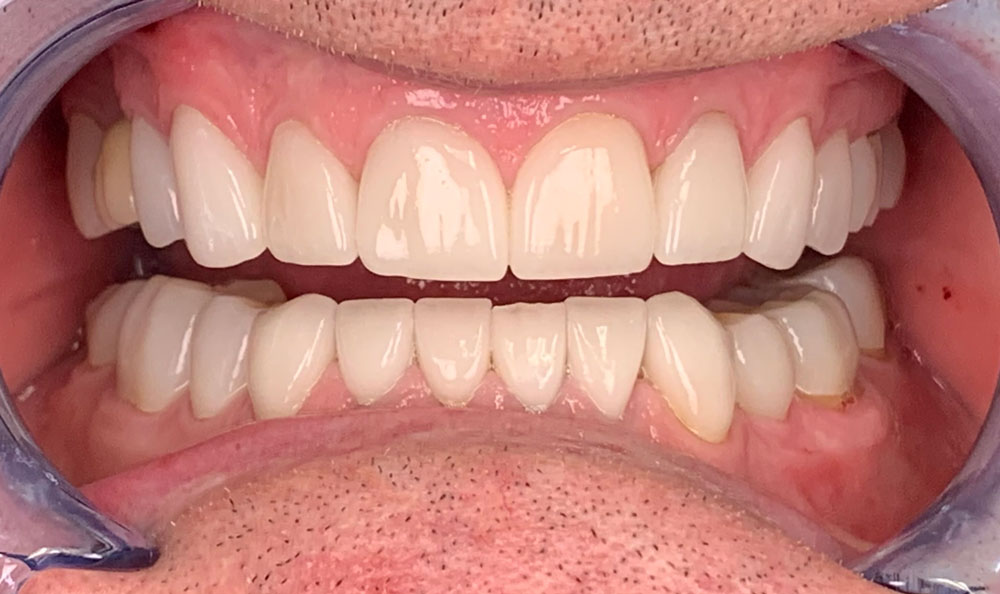
For the best action, schedule an appointment with an emergency dentist open on saturday near me.
2. They are a specially designed remedy
Although all braces are technically custom-made, Invisalign elevates the conventional customization paradigm. Nobody else's treatment plan or aligners will be identical to yours. A digital 3D scan of your teeth, which is much more precise and measures your teeth as they naturally occur, will be the first step in your Invisalign adventure.
3. They are essentially undetectable
The inconspicuous nature of Invisalign is one of the main factors contributing to its popularity. They are indeed essentially invisible! Nevertheless, "virtually" and "entirely" are not synonymous. From a distance, it will likely appear as though you have nothing in your mouth, but it might be slightly apparent if you're having a lengthy conversation or standing near someone.
4. Every patient receives treatment at a different time
When people inquire about the potential length of their Invisalign treatment, we always respond with an ambiguous "It depends." It can be challenging to make a call because orthodontic therapy differs from patient to patient. In general, uncomplicated cases can be treated with Invisalign aligners for at least six months. Nevertheless, a much more common period is between 12 and 18 months.
5. Maintaining good oral hygiene is still crucial
Patients should only start viewing Invisalign as something other than a pass that permits them to neglect their oral hygiene, even though it may seem to be safeguarding their teeth. The best way to keep your mouth and aligners free of bacteria, cavities, and tooth attrition is to brush and floss twice day-to-day and after every meal.
6. You need to take some care of your Invisalign aligners
Maintaining clean aligners is just as crucial as maintaining healthy teeth. Since they will be in your mouth for 22 hours a day, the last thing you want is for bacteria or germs to remain there that long. While some would assume that cleaning them with toothpaste is the sensible course of action, doing so can potentially harm your aligners—something no one wants! Using a dentist open on Saturdays or Sundays allows you to get a checkup or emergency work done when convenient.
7. The discomfort is lower than it would be with conventional braces
Many find their discomfort level is far lower than typical metal braces. Even if they might be more pleasant, remember that they are intended to straighten your teeth, so you will undoubtedly feel something! By keeping your eyes open, you can avoid being taken aback by the discomfort, which could cause you to freak out and take out your aligners, believing something is amiss.
In a nutshell
Invisalign is a revolutionary approach to orthodontic therapy that combines patient comfort and aesthetic appeal with technology. You can pave the path for a more radiant, healthy smile by making tough decisions regarding your child's orthodontic journey and being aware of how Invisalign works. Clear aligners near me are the best solution if you want straighter teeth.
You're not alone if you've believed in getting porcelain crowns for your front teeth. This is a favored choice for some explanations. Many aspects must be assessed when deciding if crowns are the best cosmetic dental procedure. What are the advantages and weaknesses of your teeth's dental crowns? What can you anticipate from the procedure? How should your newly placed porcelain crowns be cared for?
Porcelain crown
This porcelain dental crown covers your weak tooth. It can be used for aesthetic goals and replaces your current external structure. A dental crown is crafted to fit your genuine teeth' exact size, shape, and color, making it look like a natural tooth.
Porcelain crowns for front teeth: advantages
Dental Crown NYC could be the best option for your front teeth for several reasons:
Restore Your Smile's Formation
Dental crowns can cover stained or broken teeth, enhancing the appearance of your smile by making your teeth appear more balanced and longer.

Less Proneous To Chip Or Break In Comparison To Other Crown Types
Because porcelain crowns are made especially to be placed on front teeth, they are less prone to chip or shatter than other types of crowns. Chewing, chatting, and normal wear and tear are all well within the strength and durability of porcelain.
Extended Durability With Appropriate Dental Treatment
If you take good care of your dental crowns, they can last a long time. If you have porcelain crowns, they should last five to 10 years.
The Drawbacks of Porcelain Crowns for Front Teeth
Cost of Dental Crowns
Dental crowns can get pricey depending on the type of porcelain utilized, the quantity of ceramic crowns required, and the dental facility that makes the crowns.
Not Fit For Every Patient
Crowns made of ceramic and porcelain might only be appropriate for some. Because the porcelain can place additional stress on teeth that are already fragile, brittle, or badly broken, they are not advised for those individuals.
For placement and removal, a dentist appointment is necessary.
A dental appointment is necessary for the insertion and extraction of crowns. To confirm that the heights are fitted perfectly and that you are satisfied with the outcome, you must first schedule an appointment with a dentist.

Not the Ideal Choice With Current Dental Work
Crowns may not be the most excellent option if the teeth around them have undergone extensive restorations, as they will largely obscure your original tooth structure.
The Process of Getting a Dental Crown
At your initial visit, your Walk In Dentist will take the appearance of your tooth to make a personalized ceramic crown. The appearance will then be sent to a dental laboratory, where your crown will be manufactured. While waiting for the permanent crown to be ready, the dentist may apply for a temporary one.
How to Maintain Dental Crowns
Dental crowns are a good choice for many individuals because they are relatively low-maintenance cosmetic or restorative dental operations. Porcelain crowns require routine cleaning, just like your natural teeth. This includes visiting your dentist every six months for a professional cleaning, routine checkup, and brushing and flossing at least twice daily.
Concluding the discussion
While many people who need to repair their front teeth find porcelain crowns a fantastic alternative, they are not a good fit for everyone. Contact 24 Hour Dental Clinic if you have questions regarding porcelain crowns or if this is the best cosmetic dentistry surgery for your needs.
