All Posts (4900)

Sort by

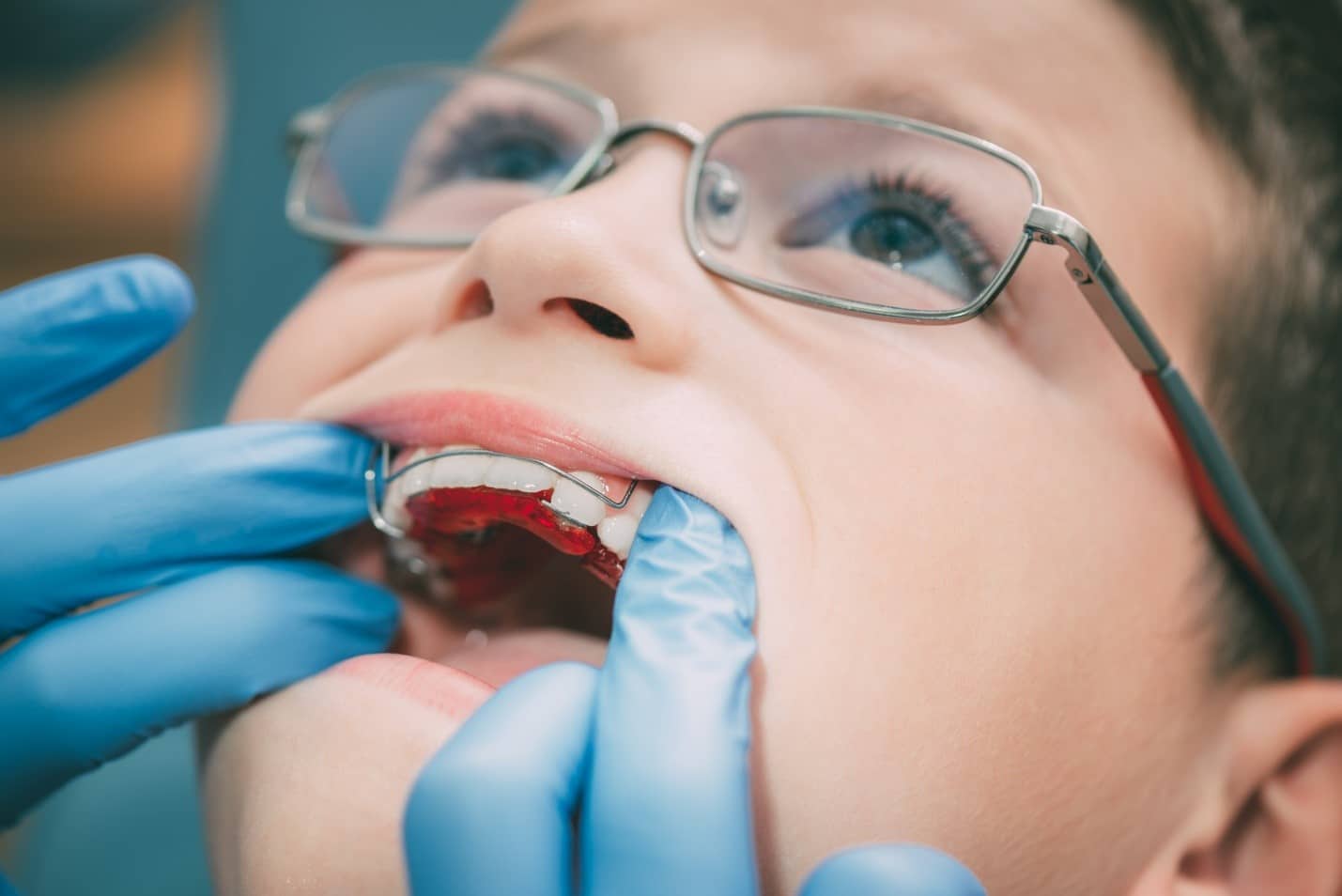
In addition to being a medical procedure, dental braces open the door to a confident, healthy smile.

Orthodontists advise braces to treat various disorders, including crowded and crooked teeth, misaligned jaws, and biting abnormalities. Beyond appearances, additional benefits include better speaking, better oral hygiene, and more comfortable eating. One of the tried and true ways to get maximum results is silver braces, known as traditional metal braces.


Understanding The Baces Types

Braces made of metal.

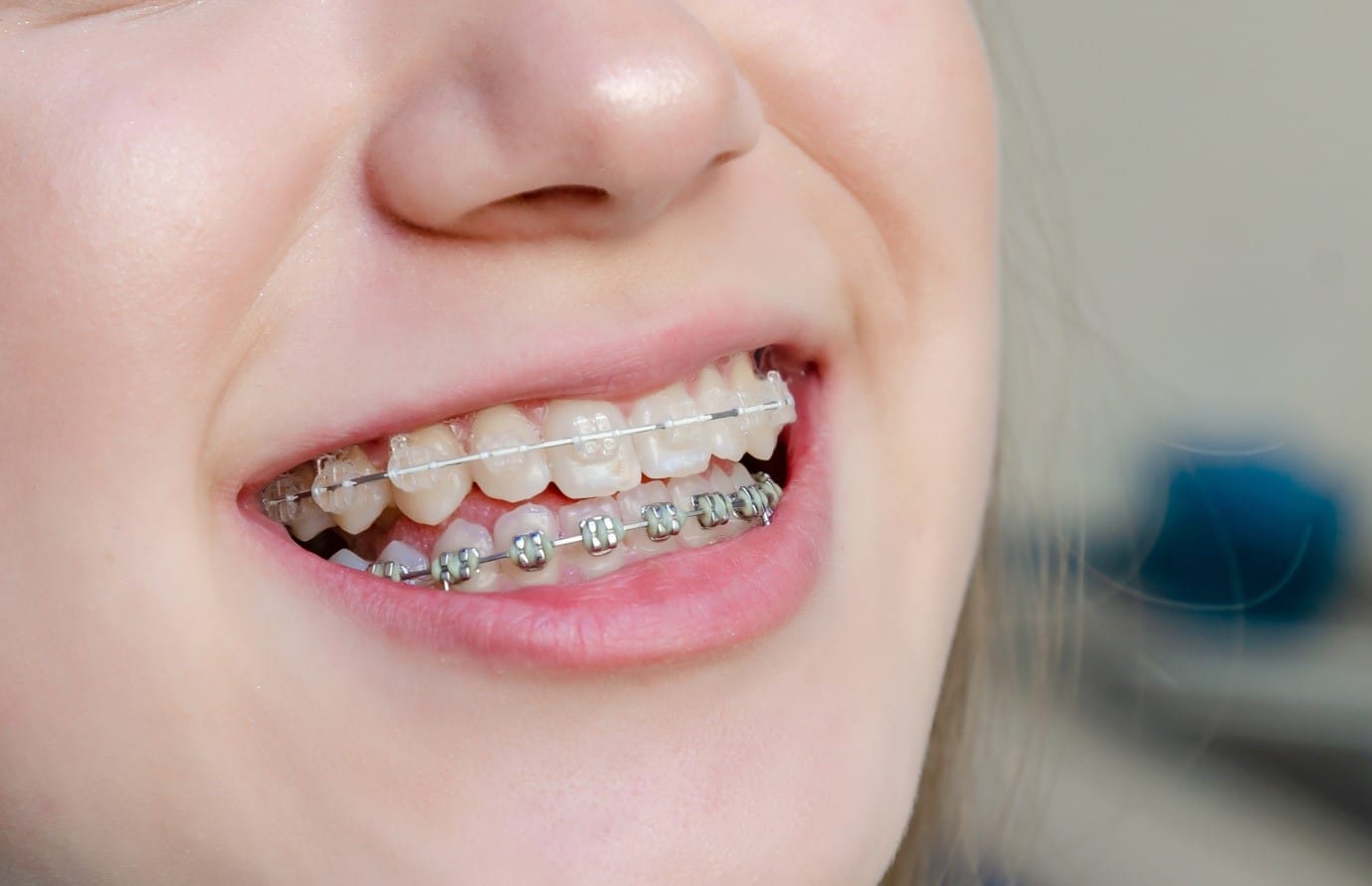
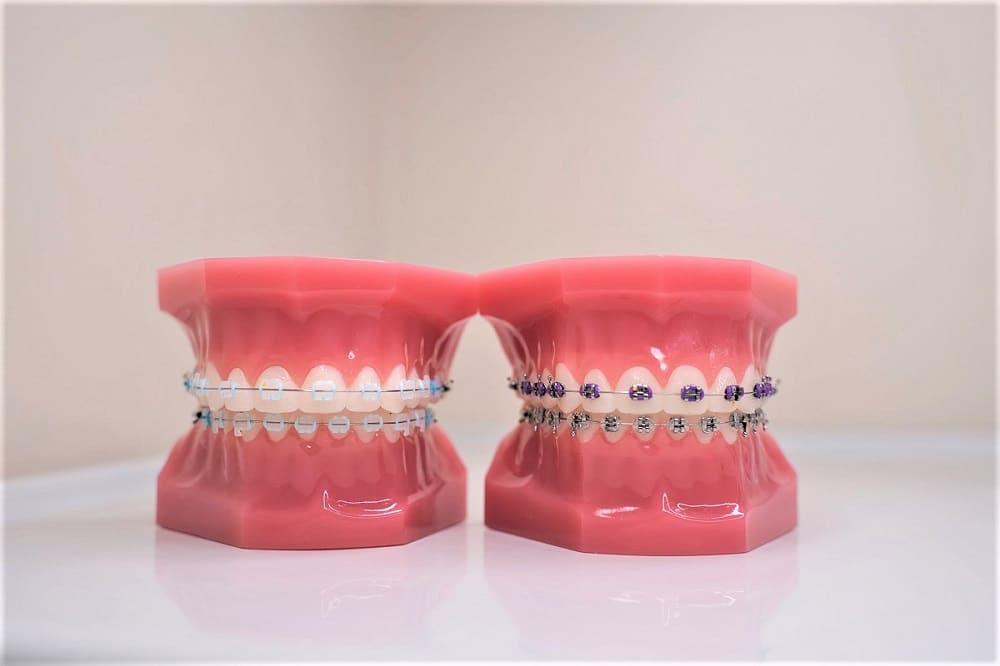
The most popular kind of braces in the world are metal or traditional braces, which have been used for over a century. Braces used to be highly conspicuous and big.


Patients who are youngsters or adolescents are the primary demographic for metal braces.


They operate by applying the braces to the teeth and joining them with a wire. Elastic ties, available in various colours, attach the wire to the braces. At your sessions, every 4–8 weeks, the orthodontist adjusts the wire to shift the teeth.


Brace that Self-Ligates

Self-ligating braces are made of transparent or ceramic material and function similarly to metal and ceramic braces. They also use wires and braces to shift their teeth. Self-ligating braces are different from metal or ceramic braces in that they utilize doors or clips instead of elastic rubber ties to hold the wire in place.


They are thus a wise option for:

  • Individuals who are more easily uncomfortable
  • Individuals with developmental delays who require orthodontic treatment
  • Patients who find it challenging to remain motionless in the dentist's chair for extended periods. 


Braces made of ceramic.

Braces composed of transparent, tooth-coloured material are known as ceramic braces. They are less noticeable and more covert than metal braces, but they function in the same way. Patients who wish to straighten their teeth discretely and cost-effectively but don't think Invisalign or lingual braces are suited for them are the ones who use ceramic braces the most. Ceramic braces are more cost-effective than metal braces and are less apparent than the latter.


Braces for Lingual

On the market, lingual braces placed behind teeth are the most specialist and uncommon orthodontic device. This is because they need a distinct set of orthodontic abilities that only a few orthodontists spend the necessary time honing. Since lingual braces are not covered in orthodontic school, orthodontists must acquire the skills to use them properly. Adults with significant orthodontic needs who want invisible braces are ideal candidates for lingual braces behind the teeth.


Clear Aligners And Invisalign

The last ten years have seen a sharp increase in the use of clear aligners. Patients who had braces as children and only require a "touch up" or who have mild to moderate dental issues like misaligned teeth, a significant overbite, no problems with the alignment of their jaw, or gaps between their front teeth (open bite) can benefit significantly from Invisalign.


Lingual braces beneath the teeth or lingual braces and Invisalign together can provide a distinctive and aesthetically pleasing treatment option for more complicated issues.


Concluding The Matter

In addition to enhancing dental health and function, teeth braces can improve your appearance. There's no shortage of orthodontic solutions these days. Find a dentist near me walk in who performs pleasingly for you and can be assisted by your orthodontist or dentist. You can have a gorgeous, healthy smile for many years with an investment in braces.

Read more…

Introduction

Any dental problem that requires immediate medical care is referred to as a dental emergency. All dental issues do not come under emergencies. But when bleeding won't stop, or you're experiencing severe pain, and you're not getting relief with medications like Ibuprofen. Broken facial bones or sometimes accidents can adversely influence your mouth structure. These are conditions that require dental emergency care. If you are experiencing any of these conditions and residing in Texas, seek dental emergency houston.


What Should I Do in a Dental Emergency?

If you're seeking a dental emergency, contact your family doctor or regular dentist for further guidance. Many dentists list their contact numbers on the website for emergencies. If it's unavailable, visit your nearest dentist for emergency dental care.


What is Listed or comes under a Dental emergency?

Some of the types of dental treatments that require same day dental emergency. Some of them are mentioned below:-

  • Badly cracked tooth.
  • Knocked-out tooth.
  • Extruded (partially dislodged) tooth.
  • Dental abscess (swelling of your face and jaw).
  • Lost or broken dental restoration.
  • Severe soft tissue injury (like a busted lip or deep cut).
  • Excessive Bleeding
  • Throbbing Pain


What Emergency Rooms Provide You During Dental Treatment?

The staff at the emergency room may prescribe antibiotics or pain relievers that provide you relief from pain and swelling. However, they don't perform dental restoration procedures like crowns or fillings. You need to visit your dentist as soon as possible once dentists return to their office during visiting hours after taking dental emergency care at the ER. 


What To Do When Not Sure About Dental Emergencies?

There are some situations when you cannot determine whether you need immediate dental care. If this is a situation happening to you. It's okay to wait for an appointment for visiting hours. Some examples of such issues that aren't considered dental emergencies but you need an appointment are mentioned here:-

  • Mild Pain
  • A minor chip or cracked tooth
  • Debris or Plaque
  • Broken braces
  • Food items or some items that are stuck between your teeth
  • Minor soft tissue injury (like a small cut or sore).
  • Remember that if you're dealing with severe pain or excessive bleeding, you should seek a dentist open on saturday emergency


What Are Some Effective Ways For Managing Dental Symptoms Until Visiting Dentist?


Follow the below-mentioned effective tips if you're dealing with any dental emergency care

  • Rinse your mouth with lukewarm water
  • Brush your teeth when something stuck in your mouth between teeth
  • Avoid consuming caffeinated beverages or sticky/ starching foods.
  • Floss your teeth properly
  • Take pain relievers such as Ibuprofen. You don't need any prescription to purchase this medicine.


Summing It Up

A dental emergency is any dental condition that creates injury in your mouth, like excessive bleeding, severe pain, or broken facial bones. If left untreated, it worsens the situation and creates more complex problems, such as the spread of infection to surrounding teeth, tooth mobility, and tooth loss. So, it is essential to get advice from the local dentist open on saturday.


Read more…

In addition to being one of the most beautiful human expressions, your grin is unique and priceless. One of the first things people notice about you when you meet them for the first time is your smile. If your smile is yellow, it detracts from the rest of your appearance. It has been demonstrated that teeth whitening procedures clean your teeth from the inside out and remove stains and dark spots.


You have undoubtedly noticed the buzz about teeth-whitening techniques that you can find almost anywhere.


How does it operate?

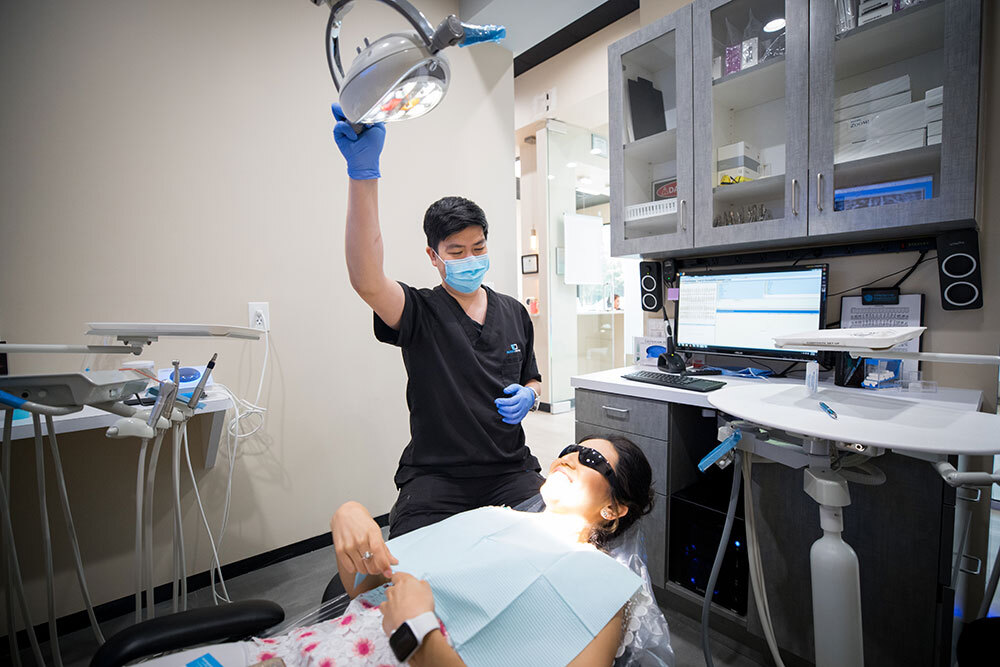
There are steps involved in the laser teeth whitening technique that are performed when a patient visits the dentist. The teeth must first be thoroughly cleaned, and any plaque must be removed.


Following a thorough cleaning, the dentist will apply a peroxide gel to your teeth and allow it to sit for a few minutes. This extremely potent gel will give your teeth the best possible cleaning while fighting stains. Your teeth may become seven to ten shades whiter in a single session compared to when you first arrived at the teeth whitening near me.


Advantages Of Laser whitening teeth

What distinguishes laser tooth whitening from other whitening techniques in terms of popularity? Let's consider a few of the usefulness.


1.   Teeth Whitening with Laser Is Quick.

In just one session, laser whitening can significantly whiten your teeth. Although more sessions might be required to achieve the most impact, patients frequently report observing a seven to eight-shade difference after just the first session.


  1. Laser Teeth Whitening Works Well

Only surface stains can be eliminated with whitening strips and specialized toothpaste. On the other hand, even stains deeper than the enamel can be removed at their source using laser teeth whitening.


   3. There is Less Damage from Laser Teeth Whitening

Teeth whitening with a laser is non-invasive. No gadgets or extra tools utilized could irritate or bleed the gums, and no laser whitening aftereffects exist. Moreover, many over-the-counter bleaching solutions used in at-home methods can be very abrasive, which might harm the enamel.


    4.  More excellent Durability with Laser Teeth Whitening

The endurance of the whitening results from any operation mainly depends on your regular dental hygiene regimen. In addition to preventing plaque development, brushing your teeth at least twice a daytime, using mouthwash, and doing any other actions your dentist has prescribed can help prevent stains from becoming permanent.


Effects of Laser Teeth Whitening on the Side

Whitening teeth with a laser is a secure and efficient process. On the other hand, it may have mild, transient adverse effects, such as:


  • momentary discomfort
  • sensitivity of teeth
  • slight inflammation of the gums

Extreme negative effects are uncommon, although they can happen to certain people. To avoid these side effects, refrain from consuming hot or cold food or beverages for a few days following the surgery. If You face any of these side effects, get your first appointment with a teeth whitening dentist near me.


Concluding the matter

One type of cosmetic dentistry therapy is laser teeth whitening. Lasers and bleaching gel are used to lessen tooth discolouration. Your teeth may seem whiter and more promising as a result of this. Laser teeth whitening works better than at-home procedures like whitening strips.


In addition, there is a chance of tooth decay, erosion, and heightened sensitivity following the surgery. Speak with a laser teeth whitening New York to find out if laser teeth whitening is good for you.

Read more…

Introduction

Maintaining oral health care is not limited to brushing and flossing; it consists of more specialised treatments. However, root canal treatment is one among them that dentists often recommend to protect existing teeth and preserve the natural appearance of teeth. You must contact a root canal specialist near me and discuss your oral health issues with them, which will help you make effective decisions.


Why Root Canal?

A root canal treatment becomes necessary when the pulp is collected at the teeth's centre and gradually spreads to nearby teeth. This condition arises from deep cavities, accidents, fractures, or other dental issues. The collected pulp houses blood vessels and nerves; if left untreated, it can cause further serious complications such as pain and discomfort. You must avail of emergency root canal services in situations like excessive bleeding or intense pain. Let's discuss why the dentist suggests root canal treatment:-


Prevention of Pain

Dentists recommend root canal therapy because of pain relief, a major contributor to maintaining oral health care. An intense toothache, tooth sensitivity while consuming excessive heat or cold items and edema can be signs of pulp infection. Root canal treatment provides relief from discomfort and stops spreading the infection to other areas of the mouth.


Preserve Natural Teeth

In dentistry, preserving existing natural teeth plays a significant role when talking about oral health care. A skilled dentist eliminates pulp from the tooth while preserving its outer structure by performing a root canal. This reduced the risk of tooth extraction by protecting the tooth's natural look and function.


Protects from further complications

More severe complications may arise when infections or regular teeth cleaning are not promptly treated. A dental infection has the potential to spread to nearby teeth, gums, and the jawbone. By stopping the infection at the right time, root canal therapy helps to avoid the need for more complex and invasive procedures.


Long-Term Oral Health

Teeth with root canal therapy act as a lifesaver if taken care of properly. Dentists guarantee that a treated tooth stays a functional mouth component by extracting the infected pulp and tying the affected teeth. This keeps your teeth healthy for a long time and keeps you away from dental bridges or implants. Seek out dentist clinics for root canal near me as it is easily accessible and approachable to your home or office.


Wrapping it up

A root canal treatment sounds daunting, but actually, it is not. This effective dental treatment aims to protect natural teeth and help alleviate symptoms like pain and discomfort. With the advancements in dentistry and anaesthesia, the process gets simplified and comfortable, allowing healthcare experts to perform the surgeries efficiently and effectively. Some people want to know questions ask about how long does a root canal last. It can last a long life but is possible only with proper care and maintenance. After root canal surgery, you must visit dentists for follow-up sessions and maintain oral hygiene practices.

Read more…

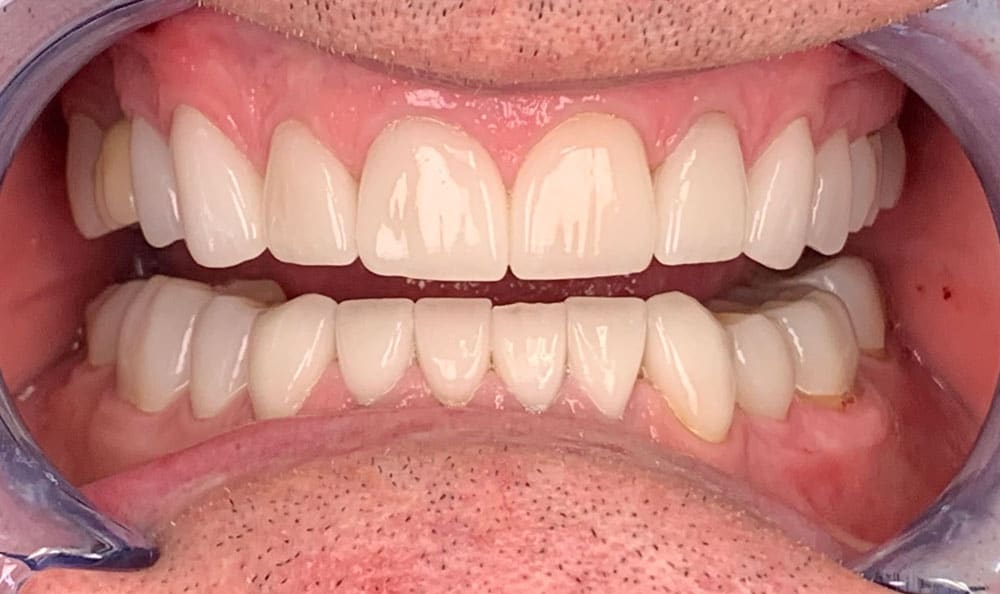
Dental veneers have become a popular cosmetic dentistry solution, providing individuals with a radiant and flawless smile. While these thin porcelain or composite resin shells enhance aesthetics, many wonder about the impact on the underlying tooth health. In this comprehensive guide, we delve into the intricacies of "Understanding Tooth Health Beneath Dental Veneers."

The Basics of Dental Veneers:

Dental veneers are custom-made shells that adhere to the front surface of teeth, addressing imperfections such as stains, chips, or misalignment. The procedure involves minimal tooth reduction, making it a less invasive option than crowns. However, the process raises questions about the long-term effects on the natural teeth beneath the veneers.

The Minimally Invasive Nature:

One of the key benefits of dental veneers is their minimally invasive nature. Unlike crowns, which require more significant tooth reduction, veneers preserve a substantial portion of the natural tooth structure. This aspect minimizes the impact on tooth health, allowing for a balance between cosmetic enhancement and the preservation of oral integrity.

Preserving Tooth Enamel:

To understand the impact of veneers on tooth health, it's essential to recognize the role of enamel preservation. During the veneer placement process, a thin layer of enamel is typically removed to ensure a seamless fit. While this minimal reduction is irreversible, it is a conservative approach compared to more invasive procedures.

Long-Term Tooth Health Considerations:

  1. Risk of Sensitivity: The removal of enamel may increase the risk of tooth sensitivity, particularly immediately after the veneer placement. However, this is often temporary, and any discomfort can be managed with the guidance of your dentist.

  2. Potential for Decay: While veneers themselves are resistant to staining, the junction between the veneer and the natural tooth may be susceptible to decay over time. Maintaining excellent oral hygiene practices is crucial to mitigate this risk.

  3. Veneer Lifespan: Dental veneers are durable and can last for many years with proper care. However, they may eventually require replacement, and the condition of the natural teeth beneath them becomes a factor in deciding future treatment.

  4. Monitoring Oral Health: Regular dental check-ups are crucial to monitor the health of teeth under veneers. Dentists can identify issues early, address concerns, and ensure the overall well-being of both the veneers and natural teeth.

Balancing Aesthetics and Health:

The decision to opt for dental veneers involves finding a delicate balance between achieving the desired cosmetic results and preserving long-term oral health. Individuals considering veneers should engage in open communication with their dentist in Okotoks, discussing concerns and expectations to ensure a comprehensive and personalized approach.

Conclusion:

In conclusion, "Understanding Tooth Health Beneath Dental Veneers" requires acknowledging the nuanced relationship between cosmetic enhancement and oral well-being. While cosmetic veneers in Okotoks provide a transformative aesthetic solution, it is essential to recognize the importance of ongoing oral care and regular dental check-ups. By embracing a holistic approach, individuals can enjoy the benefits of a dazzling smile while ensuring the longevity and health of their natural teeth beneath the veneers.

Read more…

In recent years, Invisalign has become the talk of the orthodontics town, promising a cautious and convenient alternatives to braces. And why not? It has to be, as this is the most comfortable and convenient way to get straight teeth and a sparkling smile. A smile is the only original ornament that everybody has as given by God. Many wonder if Invisalign can address all types of orthodontic issues. Yes, through this article, you will get a clear idea of how and what kinds of problems can be cured by Invisalign. Let's delve into this question to comprehend the abilities and limits of Invisalign antidote.


What is Invisalign?

An orthodontic practice called Invisalign symmetrical teeth without the need for metal braces. With a string of custom-made, clear braces named Invisalign, your teeth will slowly be gently moved into the correct position. They are less apparent than conventional metal braces because they are clear and removable. At the same time, partially undetectable, Invisalign aligners fit over your teeth tightly and are far less evident than the brackets and wires of traditional braces. Your invisalign dr siteteeth can be perfectly aligned, attractive, and comfortable with Invisalign transparent braces in half the time it would take with conventional braces.


What are the problems treated by the Invasilgn?

This is the tried and tested method of treating the teeth correctly. So, the Invisalign braces will treat the many types of problems like:


Gaps Between Teeth: With Invisalign, little gaps between your teeth can be effectively closed, giving you a more uniform and aesthetically beautiful smile.


Overbites and Underbites: When the upper or lower teeth extend past the opposing set, overbites and underbites are frequently successfully treated with Invisalign.


 Crowded Teeth: By gradually shifting your teeth into their ideal locations over time, Invisalign can assist in clearing space if your teeth are crowded.


For more accurate information, you can check the invisalign dr site, which will assist you in getting all the knowledge regarding the treatments they provide.


Are there any challenges?

There will be a few challenges that cannot be sought with the help of Invisalign.


 Jaw Abnormalities: Invisalign primarily concentrates on tooth motion and may not be ideal for restoring significant jaw irregularities. In such circumstances, talking with an orthodontist is essential to choose the best action method.


 Critical Misalignments: Conventional braces may be a more practical option in cases of particularly crooked teeth or complex misalignments. Braces can exert more force and control in these positions.


Does Invisalign also offer Customization?

Customization can be done in everything, so why not in the Invisalign treatment?   

To customize the dental treatment, orthodontist hallandale fl uses cutting-edge technology to create a 3D model of your teeth, letting them design custom aligners that address your detailed needs. This customized method enhances Invisalign's efficacy in managing various orthodontic requirements.


To Sum up

All of the available treatments for Invisalign have been revealed in this article. Everything is possible thanks to the most modern technological advancements. Additionally, patient compliance is essential to the effectiveness of the Invisalign therapy. Although it works well for mild to moderate situations, more aggressive orthodontic problems might be needed for other therapies. Patients must adhere to their orthodontist open saturday recommendations and wear their aligners for the recommended 20–22 hours each day for Invisalign to function as best it can. Check-ups regularly guarantee that the treatment is going according to plan. Furthermore, Invisalign can be a game-changer for getting a straighter, more self-assured smile with the proper maintenance and dedication to the treatment schedule.

Read more…

Introduction

Introducing the latest advanced technologies enables dental professionals to provide optimal patient comfort. They assure you that you will feel comfortable, relaxed, and in safer hands. On top of that, dental professionals use the latest dental treatment techniques and methodologies to ensure that patients get a perfect smile and healthy teeth for a long time. For your comfort and accessibility, you should search for affordable veneers near me.


Getting veneers has become a popular choice for many people that can make a complete smile makeover and boost individual confidence. Let's discuss what dental veneers are and how they work.


What do you mean by dental veneers? 

Dental veneers are customised thin shells placed on the teeth' front surfaces. This can be used to improve the look and appearance of teeth. Veneers are as much as effective for stains, cracks, gaps or misalignment between the teeth. This can be made from porcelain or composite resin materials. It reduces the risk of tooth extraction, and you will get a more uniform and brighter smile. Before beginning the dental treatment, everyone wants to know about the veneer teeth cost it depends on conditions like severity, consultation fees, and years of experience doctors have in the same field.


Porcelain veneers

Porcelain veneers are known for durability and are the most commonly used type. This looks exactly like natural teeth and is resistant to stains, thus providing a long-lasting solution for a radiant smile.


Composite Veneers

Composite veneers are a more cost-effective solution than other dental treatments, and they are made from a tooth-coloured resin. They provide a significant improvement to your smile. While they are not as durable as porcelain, they can still significantly enhance your smile.


Advantages of Dental Veneers:

Aesthetics

Dental veneers have been proven effective for solving various cosmetic concerns such as stains, discolouration, pearly white teeth, and uneven gaps between teeth.


Stain resistance

porcelain veneers are stain-resistant so that you can get a brilliant and colourful smile for many years.


Tooth Alteration

In this dental treatment, a small amount of enamel is removed to heal from stains or any other teeth issues.


How long do dental veneers last?

Dental veneers can generally last between 10 to 15 years, but their lifespan depends on numerous factors. It includes how you care for them, follow-ups with dentists, regular dental check-ups, and habits like teeth grinding. These all are conditions that influence the durability of dental veneers. With time, veneers may start wearing and tearing, which requires replacements. They are a durable cosmetic option, but their longevity depends on maintaining oral care and hygiene. To keep your brilliant smile intact, see a dentist for maintenance and assessment if any problems develop. If you are affected by tooth decay or bleeding from the gumline, don't stop contact with Sunny Isles Emergency Dental Care.


How to Take Care of Dental Veneers?

Taking care of dental veneers requires to follow the process mentioned below:-


Oral Hygiene

To extend the life of your veneers, brushing, flossing, and routine dental examinations are necessary.


Steer Clear of Staining Substances

Even though porcelain veneers are stain-resistant, it's still a good idea to restrict the amount of stain-causing foods.


Conclusion

Dental veneers are effective solutions for people seeking a transformative change in their smile. It has become a popular choice for many people in cosmetic dentistry because of its durability, longevity and appearance. If you are dreaming of a pearly white smile, take advice from a dentist and ask them whether dental veneers are the right choice for you or not.

Read more…

You know how difficult it is to eat or do your daily dental activities with various problems in your teeth. If you have problems like chewing or biting, then in that case dental inlay and onlays can come in handy for you. This article will help you to learn how crucial these dental procedures are to regaining the functionality of your teeth. 


Dental Inlays: Fixing Small Tooth Cavities 

Dealing with cavities is a common problem in maintaining good oral health. When you have a cavity that is too large for a filling but not severe enough to need a crown, dental inlays act as little heroes to save the day.


What Are Dental Inlays? 

The emergency walk in dentist near me will install dental inlays, which are created to order, on the chewing covers of your rear teeth. The teeth in the back, commonly referred to as molars and premolars, are the ones in charge of the majority of food grinding and chewing.


How Do Dental Inlays Work? 

Assessment:

In order to decide whether an inlay is the best option, your dentist will first evaluate your tooth. An inlay is typically the best option if the cavity is too big for a conventional filling but not big enough for a crown.


Preparation:

The decayed portion of your tooth will then be gently removed by the cosmetic dentistry near me, who will also take an impression of it. Your custom-made inlay is created in a dental laboratory using the imprint that was sent there.


Placement:

Once your inlay is complete, your dentist will use a special glue to adhere it firmly to your tooth. This guarantees a snug fit and aids in restoring the tooth's original functionality and contour.


Why Are Dental Inlays Important? 

The natural structure of your tooth is crucially preserved, while cavities are properly treated using dental inlays. You can save more of your tooth by opting for an inlay rather than a crown. Your tooth will undergo less modification as a result, and it will keep more of its strength.  


Dental Onlays: Repairing Larger Tooth Damage 

When your teeth have more severe damage, including large cavities or fractures, these dental restorations are like brilliant knights in shining armor for your teeth.


What Are Dental Onlays? 

Dental onlays are made-to-order components that resemble inlays but cover a wider area of the tooth's surface. They are used to restore teeth that have damage that cannot be fully repaired by fillings but is not severe enough to require a full dental crown.


How Do Dental Onlays Work? 

Assessment:

Your dentist will evaluate the degree of damage to decide whether an onlay is the best option, much like with dental inlays.


Preparation:

Your dentist will prepare your tooth by removing the damaged portion and making an imprint if an onlay is thought to be necessary. To build your personalized onlay, a dental laboratory receives this impression.


Placement:

The cosmetic dentistry near me will securely glue the onlay to the surface of your tooth after it is completed. This keeps as much of your natural tooth as possible while restoring the tooth's appearance and functionality.


Why Are Dental Onlays Important? 

When it comes to regaining the functionality of your teeth, dental onlay is crucial. You may easily chew, speak, and smile thanks to them if your teeth have moderate to severe damage. They offer a sturdy and long-lasting solution. By opting for onlays, you can avoid the requirement for a full crown, which would necessitate more drastic tooth reduction. 


Conclusion: 

In conclusion, dental inlays and onlays are worthwhile dental procedures that are essential in restoring the functionality of your teeth. Onlays are the preferred choice for more severe tooth damage, while inlays are ideal for treating minor cavities. These specialized restorations assist in preserving the strength and contour of your teeth while removing any discomfort brought on by dental problems. Therefore, keep in mind that dental inlays and onlays are available to save your smile the next time you have a dental issue.

Read more…

The temporomandibular joint (TMJ) plays a significant role in daily routine activities, which include chewing, biting, speaking, and yawning. TMJ Treatment Near Me happens when joints start malfunctioning and can create complexities, which include jaw pain, discomfort, headaches, and face difficulty in opening and closing your mouth. Let's discuss some common with TMJD.


Determining the reason for TMJ Treatment Houston is challenging as the dental conditions are not the same for all. TMJ can happen due to various reasons, such as heredity, arthritis, and jaw injuries, which influence and affect your pain. It is worth noting that many people clench or grind their teeth daily without TMJ issues, and some patients with jaw pain also have this tendency (bruxism).


Diagnosis of TMJ

Apart from physical observation, the dentist asks you to perform some examination to determine the valid reason for TMJ. Some of them are as follows:-


  • radiography of the teeth.
  • CT scan
  • MRI
  • TMJ arthroscopy 


What are the symptoms of TMJ dysfunction?

TMJ symptoms may vary from person to person. Some of them are mentioned below:-

  • Jaw pain.
  • Facial pain.
  • Shoulder or neck pain.
  • Stiffness in your jaw.
  • Difficulty opening or closing your mouth.
  • Jaw popping or clicking.
  • Headaches.
  • Migraines.
  • Earaches.
  • Toothache.
  • Tinnitus (ringing in your ears).

 What Are the Common Complications of TMJ? 

Pain and Discomfort

Individuals who have been suspected of TMJD often deal with activities like talking, chewing, consuming, or eating anything. This dental treatment can take pain to the next level and affect individuals' daily routine activities and quality of life.


Limited Jaw Movement

TMJD can restrict jaw movement activities, making it difficult to open the mouth widely, affecting activities like eating and speaking. However, in severe cases, people cannot open or close their mouths.


Headaches and Migraines

TMJD is a common condition causing jaw joint dysfunction that leads to chronic headaches and migraines, affecting an individual's well-being and productivity.


Ear Pain and Fullness

Pain that occurs from TMJD can cause discomfort and a sensation in the ears. Even ringing in the ears (tinnitus) may occur in certain people. These ear-related symptoms are frequently relieved by treating the underlying TMJD.


Sleep Disturbances

People dealing with TMJD have an adverse effect on sleeping quality because many people are unable to sleep properly because of jaw pain. It can influence sleeping patterns, fatigue, and irritation. 


Main Cause of TMJ Dysfunction

There is not a single reason for causing TMJ dysfunction. Here, we have mentioned the different factors that are valid reasons for developing TMJ.

  • Jaw injury
  • Teeth grinding or clenching (bruxism).
  • Arthritis in your jaw joint.
  • Malocclusion (when your teeth don't fit together exactly as they should).
  • Stress. 


Wrapping It Up

Seek medical care advice from a Houston dentist no insurance immediately if you've consistent pain or tenderness in your jawbone or if you're unable to open or close your mouth. Don't hesitate to discuss your concerns with the doctor because they recommend the best treatment line according to your dental condition or mouth structure. Teeth whitening houston is also an alternative to give your teeth an aesthetic smile.

Read more…

Introduction

Proper oral care and maintenance play a significant role in the overall health and well-being of an individual. The mouth is inevitably a source of bacteria and infection due to consuming eatable items and sugary beverages. Remember that taking care of your teeth is essential, so brush them twice daily, floss them, and rinse them with mouthwash. All these are crucial oral healthcare practices that keep bacteria and infections at bay.


The Need for Deep Cleaning

Brushing and flossing your teeth regularly helps to keep them clean, but with the passing of time, plaque and tartar may develop in the gum line, which further causes gum disease. If left untreated, it worsens the complexities and enhances the risk of other oral health diseases like oral cancer, herpes, tooth decay, and gum disease. However, scaling and root planing, which are other names for deep dental cleaning, are required when issues extend below the surface and impact the roots of your teeth. In this article explains the dental deep cleaning procedure in brief. Let's start:-


The Pre-Procedure Steps

Houston Dentist examines your teeth and gums deeply to identify the major reason for causing oral health issues. Later on, they may ask you to perform X-rays to get deep insights into the teeth' condition. Healthcare professionals can easily identify the reason for dental issues with the help of X-rays and tailor treatment plans accordingly. Moreover, they will help

you understand the treatment process and address concerns or issues that you may have.


Local Anesthesia

Considering the patient's comfort, the dentist may use local anaesthesia to numb your gums and teeth. This helps minimize discomfort, pain, or sensitivity throughout the procedure. You must inform your dentist if you feel any pain or discomfort during the deep cleaning procedure.


Scaling

Dental deep cleaning Houston involves scaling, a process where dentists use specialized tools to remove plaque and tartar buildup over the teeth' surface and below the gumline. It is worth mentioning that deep dental cleaning may take a longer time than regular cleaning as it involves a deeper cleaning of the tooth surfaces.


Root Planing

After scaling, root planing smoothens the roots of teeth by eliminating bacteria and pulp collected in gums. As a result, it promotes healthier gums and protects individuals from future oral health issues.


Post-Procedure Care

Once the deep cleaning procedure is completed, the dentist will suggest instructions on taking care of teeth and gums at home. This may include a special toothpaste or mouthwash, or you may have to adjust your oral care routine. You need to visit a dentist at certain intervals, often every six months, for follow-ups for additional care and maintenance.


Possible Discomfort

After a dental deep cleaning, mild discomfort or sensitivity may occur, including tender gums and temperature sensitivity. These symptoms are usually subtle within a few days, and dentists may recommend pain relievers or desensitizing toothpaste for management.


Nutshell

If you have ever experienced pain and discomfort even after completing a dental cleaning procedure, you must avail of the services of emergency dental houston tx. However, the emergency care team will suggest some painkillers or antibiotics to relieve pain. Following the dental cleaning procedure and the dentist's advice, you can lead a healthier and happier life with strong teeth and gums in the long run.

Read more…

In the glooming world of lights and sparks, people are getting more concerned about their appearance or looks, as everyone wants to outshine in front of the general public. Teeth whitening plays an important role, and this is a powerful yet modern approach to enhancing the aesthetics of our smile. Let's delve into the benefits of teeth whitening:-


Boosts Confidence Levels

Imagine entering a room and beaming, brightening the entire area with your smile. Your confidence level automatically increases by teeth whitening because this is the only reason that will give you an aesthetic and appealing smile. You're more likely to feel confident and prepared to take on the world when your teeth shine.


Removal of Stains

Tooth whitening can be caused by consuming various things, like red wine, tea, coffee, and cigarettes. Teeth Whitening Houston Tx acts like a game-changer, resolving and getting rid of discolour stains. It works like a magic eraser for your teeth, erasing the stains left by everyday vices and habits.


Reversal of Aging Effects

The natural shining of our teeth gets loosened with time or as we step towards older age. Teeth whitening can reverse the effects of aging on your teeth and go back in time. Get set ready for a more youthful and vibrant smile and say goodbye to yellow or discoloured teeth. You can consider Cosmetic Dental Treatment if you want your teeth to have good looks and appearance.


Quick Results

Teeth whitening services near me are famous for effective results as they deliver results quickly. You can observe changes in your teeth just after having one session, and that's why it becomes a preferable choice for many people seeking a fast smile makeover.


Painless

Are you wondering about discomfort, pain and swelling? There is no need to worry about that because teeth whitening is entirely painless. Some people may experience mild discomfort, but it resolves quickly. Dentist no insurance houston often use desensitizing tools in teeth whitening to reduce discomfort and ensure a comfortable visit.


Improves Long Term Radiance

Apart from the quick recovery, Teeth whitening renders long-term benefits. This also renders a long-lasting solution and is possible only when you regularly follow oral hygiene practices. To keep your teeth looking their best, maintain proper oral hygiene and schedule routine dental checkups.


Promotes Dental Hygiene

Getting your teeth whitened might be a driving force behind improving your dental care practices. Individuals who get teeth whitening frequently become more aware of their dental hygiene habits, which promotes general oral health.


Home Kits to Go for Convenience

You can also follow the teeth whitening process from your comfort zone by taking home whitening kits. Using these dentist-recommended kits, you can whiten your teeth at your own pace and according to customized instructions.


Conclusion

You must consult with your teeth whitening dentist once every six months for routine checkups or follow-ups - this is the right way to protect your teeth from germs or bacteria or you can ask your dentist how to use teeth whitening kits at home. Teeth whitening is the only solution for people who want a more brilliant and stunning smile because it can remove stains, boost confidence, and render quick results.

Read more…

Introduction:

When it comes to oral health, the mere mention of a "root canal" can send shivers down our spines, not only due to the perceived discomfort but also the concerns about the cost involved.

In this blog, we'll dive into the world of root canal treatment costs, demystifying the expenses associated with this essential dental procedure and exploring strategies to make quality dental care more accessible.


Understanding the Basics:

Root canal treatment, often hailed as the hero in saving severely damaged or infected teeth, involves removing the infected pulp and nerves from the tooth's interior, followed by thorough teeth cleaning and sealing. While the benefits of this procedure are undeniable, many individuals are hesitant due to the perceived financial burden.


Breaking Down the Costs:

The cost of a root canal can vary based on several factors, including the location of the tooth, the complexity of the procedure, and the dentist's expertise. Generally, the procedure's cost includes the initial consultation, the root canal itself, and the subsequent restoration, which often involves a crown to protect the treated tooth.


Factors Influencing Cost:

  1. Tooth Location: The position of the affected tooth plays a role in determining the cost. Front teeth typically cost less to treat than molars due to differences in complexity and accessibility.

  2. Severity of the Issue: The extent of damage or infection in the tooth influences the complexity of the root canal procedure, impacting the overall cost.

  3. Dentist's Expertise: Experienced and specialized dentists may charge higher fees for their services. However, their expertise often ensures a smoother and more successful procedure.


Affordable Dental Care Strategies:

  1. Dental Insurance: Check your dental insurance coverage to understand what portion of the root canal treatment cost is covered. Many dental plans provide substantial coverage for essential procedures like root canals.

  2. Dental Discount Plans: Consider enrolling in dental discount plans that offer reduced rates for various dental procedures, including root canals.

  3. Payment Plans: Discuss flexible payment plans with your dentist. Many dental practices understand the financial concerns of patients and may offer installment options to make the cost more manageable.

  4. Community Dental Clinics: Explore local community dental clinics or dental schools where dental students, under supervision, may perform procedures at a reduced cost.


Conclusion:

The fear of high root canal treatment costs should not deter anyone from seeking essential dental care. By understanding the factors influencing the expense and exploring various affordability strategies, you can make informed decisions about your oral health.

Remember, investing in your dental well-being not only preserves your smile but also contributes to your overall health and confidence. So, let's demystify the cost of root canal treatments and pave the way for accessible and affordable dental care. Your smile—and your wallet—will thank you.


Read more…

If your teeth are misaligned, worn out, stained, fractured, or unhealthy, your dentist might suggest getting a tooth restoration. There are several tooth restoration options that you should consider. Your teeth's natural function can be restored with tooth repair, and further decay damage can be avoided.


With a dental restoration procedure, a tooth's appearance and function can frequently be restored simultaneously. You may learn more about the many kinds of dental restorations from this article.


Recognizing the types of Dental Restoration

Several dental restorations can be chosen according to your unique needs for oral health:


Crowns

Dental crowns are operated on by specialists to restore broken teeth or to cover large cavities. A crown, also called a cap, completely encloses your tooth.


Your dentist must release some of your birth tooth enamel to place a crown. In other words, they will remove and protect a part of your tooth with a crown.


Components

A cavity is created when bacteria eat away at the enamel on your teeth, making a hole. Dental fillers are commonly used to treat more miniature holes.


Your dentist will extract the overripe piece of your tooth during this operation and then use a composite material that matches your tooth colour to cover the hole. This stops tooth decay and lowers the possibility of more harm.


Root canal treatment

There are instances when a cavity or crack penetrates your tooth to the pulp. An excruciating infection may result from bacteria entering the pulp of your tooth. During this operation, your dentist will extract the diseased pulp, small blood vessels, and nerves inside your tooth. Your teeth' interior surfaces will be carefully cleaned and disinfected, and the canals will be filled with gutta-percha, a rubbery dental substance.


Onlays and inlays

A cavity may occasionally be too tiny for a crown yet too large for a filling. In this situation, your dentist may suggest an onlay or inlay. They are comparable, inlays and onlays. An onlay covers at least one cusp of your teeth, whereas an inlay fills the space between the cusps.


Dental implants

A tiny, threaded post called a dental implant is a substitute for a lost tooth root. Your implant will act like an unpretending tooth after your dentist places a crown on it.


Your dentist can use crowns, bridges, and even dentures to rehabilitate dental implants. Unlike traditional crowns and bridges, your natural teeth don't need to be altered to use implants.


Dental bridges

It can replace a single lost tooth or several missing teeth in a row. Dental crowns support artificial teeth on each side of a bridge. On both flanks of the hole, your dentist will modify (shave down) your natural teeth. The bridge will then be connected to your birth teeth.


When ought I to visit the dentist?

Make an appointment with a dentist if your teeth are missing, broken, or decaying. They can aid in restoring the appearance, functionality, and health of your smile. A walk in dental near me offers emergency services for those needing an urgent appointment.


You should also schedule frequent teeth cleanings and examinations with your dentist. Between appointments, make sure to maintain proper oral hygiene at home.


To give a brief overview

In addition to restoring damaged teeth, restorative dentistry aims to enhance oral function and general health. It might be unsettling to have dental work done, particularly if you've never had it done before. However, the earlier you address a dental condition, the lower your chance of developing further issues. To get more information, visit General Dentist Near Me.

Read more…

Dental laboratories play a crucial role in the field of dentistry, as they are responsible for crafting a wide range of dental prosthetics and appliances, such as crowns, bridges, dentures, and orthodontic devices. In these labs, dental technicians rely on various tools and equipment to create precise and high-quality dental restorations. One essential tool in their arsenal is the dental handpiece. In this article, we will delve into the different types of handpieces used in a dental lab and their significance in the dental prosthetics manufacturing process.

Types of Dental Handpieces

High-Speed Handpiece:

High-speed handpieces are indispensable in dental labs due to their ability to rotate at high speeds, typically ranging from 300,000 to 400,000 revolutions per minute (RPM). This incredible speed is ideal for cutting and shaping materials like ceramic and metal to create dental crowns, bridges, and other restorations with precision.

The high-speed handpiece is often used with various attachments and burrs to perform tasks like cutting, grinding, and polishing dental prosthetics.

Low-Speed Handpiece:

Low-speed handpieces, also known as contra-angle handpieces, operate at lower speeds, usually between 5,000 and 40,000 RPM. They are versatile tools that can perform a range of tasks, including polishing, finishing, and adjusting dental prosthetics.

These handpieces are commonly used for tasks that require precision and control, such as adjusting the fit of a denture or fine-tuning the shape of a dental crown.

Electric Handpiece:

Electric handpieces have gained popularity in recent years due to their ability to provide consistent and controlled speed and torque. They are known for their reliability and precision, making them suitable for various tasks in the dental lab.

Dental technicians often use electric handpieces for tasks like trimming and contouring dental restorations, as they offer greater control and accuracy.

Surgical Handpiece:

Surgical handpieces are designed for use in oral surgery procedures, such as tooth extractions and implant placements. They are built to withstand the rigors of surgical use and are equipped with cooling systems to prevent overheating.

These handpieces are vital for dental technicians involved in the production of implant-supported restorations and other surgical appliances.

In a dental lab, the choice of handpiece is crucial to the quality and precision of the dental prosthetics being created. High-speed handpieces are essential for efficient material removal, while low-speed handpieces provide the precision needed for fine adjustments. Electric handpieces combine reliability and precision, making them a versatile choice. Surgical handpieces, on the other hand, are indispensable for oral surgery-related tasks.

Dental technicians rely on their expertise and the appropriate handpiece to craft dental restorations that meet the exacting standards of the dental industry. The evolution of handpiece technology continues to improve the precision and efficiency of dental lab work, ensuring that patients receive the best possible dental prosthetics for their oral health needs.

What is a chair used in a dental clinic?

A dental clinic is a place where oral health is prioritized, and every element within it is carefully designed to serve its purpose effectively. One essential piece of furniture found in a dental clinic is the dental chair. The dental chair plays a pivotal role in creating a comfortable and functional environment for both the dentist and the patient. In this article, we will delve into what a dental chair is and how it is used in a dental clinic.

A dental chair, also known as a dental treatment chair or dental operatory chair, is a specialized piece of equipment designed to provide comfort and support to patients during dental procedures. These chairs are not your typical seating arrangements; they are equipped with various features and functionalities that cater specifically to the needs of dental practitioners.

One of the primary purposes of a dental chair is to ensure that patients are positioned correctly for examinations and treatments. Dental chairs are adjustable in multiple ways, allowing for precise positioning of the patient's head and body. This adjustability ensures that the dentist has easy access to the patient's oral cavity and can perform procedures with accuracy and ease.

Dental chairs also come with built-in controls, allowing the dentist to adjust the chair's height, tilt, and recline as needed. This flexibility helps in accommodating patients of different sizes and ensuring that they are comfortable throughout their visit. Moreover, dental chairs often feature memory functions, enabling dentists to save specific chair positions for individual patients, making subsequent visits more efficient and comfortable.

In addition to positioning, dental chairs are designed with the comfort of the patient in mind. They are padded and cushioned to provide support and minimize discomfort during extended treatments. Some chairs even have heating and massage functions to help patients relax during their dental procedures.

Furthermore, modern dental chairs are equipped with various accessories and attachments. These may include dental lights, suction systems, and delivery units for dental instruments. These integrated systems enhance the dentist's efficiency by keeping essential tools within easy reach.

Dental chairs also play a role in infection control. They are constructed with materials that are easy to clean and disinfect, ensuring a sterile environment for every patient. Additionally, many dental chairs are designed to prevent cross-contamination by featuring disposable covers for the chair and headrest.

A dental chair is a critical piece of equipment in a dental clinic, serving multiple functions. Its primary role is to provide a comfortable and adjustable seating arrangement for patients during dental procedures. The ergonomic design, adjustability, and additional features make dental chairs an indispensable tool for dentists, contributing to the overall efficiency and comfort of dental treatments. These chairs not only facilitate the work of the dental practitioner but also ensure that patients have a more pleasant experience during their visits to the dental clinic.

Read more…

A stunning smile and perfectly aligned white teeth can significantly enhance your personality. In social situations and at work, you exude confidence. You may have that gorgeous smile with perfectly white teeth with cosmetic dentistry. This article will teach you everything about teeth cleaning and polishing, including its many health benefits for you and your mouth.


Dental polishing: what is it?

Some individuals mistakenly believe that teeth washing and teeth polishing are interchangeable. There is a subtle distinction, and you are likely to get a more accurate definition if you ask a skilled dentist what dental polishing is.


It is the last technique typically administered after tooth cleaning and whitening. In addition, polishing is occasionally done to get rid of microorganisms following dental surgery and to eliminate surface blemishes.


Determining the benefits of Dental Polishing

Having a brilliant smile is the apparent advantage of having your teeth polished. But tooth polishing has benefits that go beyond aesthetics.


Regular dental polishing guarantees that plaque and tartar are not accumulated. Your teeth enamel is protected. Bacteria that cause foul breath and even cardiovascular problems can be bred by plaque and tartar.


Teeth polishing the following scaling

Over time, calculus, tartar, and plaque can accumulate on teeth. Plaque is a bacterially-bred sticky coating that hardens into calculus, or tarter, within a day. Calculus cannot be removed by brushing, and the scaling operation is the only method for removing the hard deposit. Polishing is a final procedure that can make teeth bright and smooth while removing stains. Although polishing makes teeth appear whiter and better, you may choose to have polishing done only twice a year if your teeth are in good condition following the scaling treatment.


Procedure for polishing teeth

There are two standard methods for polishing teeth.


One way is for the dentist to fill a soft rubber cup with medium, coarse, or fine paste. Plaque and stains can be removed from teeth by pressing the cup, which is rotated by the rotary tool, against the tooth.


The second technique addresses deeper stains or areas where teeth are more sensitive by using air and water jets in combination with glycine or sodium bicarbonate.


What separates teeth whitening from polishing

Some individuals need clarification about the distinction between Dental Cleaning and Polishing. Typically, a cosmetic dentist may use peroxide-containing gels to whiten teeth after covering the gums with shields to prevent gum recession. Certain dentists may employ a laser to boost the bleaching effect of teeth-whitening pastes or gels.


The degree of discoloration and how deeply stained your teeth are determine how long and how often you should get your teeth whitened. Conversely, teeth polishing is a mechanical procedure that uses a rubber cup filled with a paste that smoothes the surface of the teeth or a water-air jet that contains glycerin or sodium carbonate. While teeth don't get any whiter, they do look.


Side effects of teeth polishing

Any dental operation has adverse effects if not performed correctly. For example, excessive scaling can harm the gums and the tooth enamel. How teeth polishing is done and the condition of your gums and teeth can have some adverse effects. You should seek treatment for internal infections in your teeth and irritated gums.


It's also important to remember that polishing substances have the potential to trigger allergic reactions, particularly in people with respiratory issues and hypertension. Before advising the polishing operation, your dentist will determine any pre-existing problems.


Concluding The Matter

The process of teeth polishing entails bringing the surfaces of teeth into a glossy, appealing state. This process, frequently carried out after other methods of eliminating plaque and tartar, can remove extrinsic stains from teeth (those brought on by bad dental hygiene). However, if done carefully and thoughtfully, teeth polishing might be advantageous. You have a reason to grin when your teeth are healthy and have a bright, glossy look. If you Need More Information, Visit The dentist office near me.

Read more…

Your permanent teeth should last a lifetime, ideally. Unfortunately, if you bite into complex objects like pens, they might discolor, shatter, or even chip. Automobile crashes and sports can also cause dental harm. If you experience dental decay, clenching and grinding of your teeth, or bite issues, it's even simpler. The need for more expensive and invasive strategies like dental implants, root canals, and dental crowns will likely result from these problems.


Thankfully, dental bonding is a tool your dentist can use to help you repair damaged teeth and improve oral health. Make an appointment with Tooth Bonding nyc right now, and trust our dental care.


Procedure for Bonding Teeth

If you are a candidate for the treatment, your dentist will schedule you for the operation. It's a simple surgery that might even go without anesthetic. Selecting a composite resin shade that closely resembles your natural teeth is the first step in the process. The dentist will next prepare the damaged tooth.


They will roughen the tooth and use a bonding agent to make it more comfortable for the bonding material to adhere. The dentist will next use the bonding substance to the damaged area. To learn more about the procedure, visit Teeth Bonding near me.


Recognizing some crucial aspects of dental bonding

Before deciding if dental bonding is something you're thinking about, here are some things you should know about the procedure:


Flexibility

Many dental flaws, including chipped, broken, and cracked teeth, can be fixed with composite dental bonding. Additionally, bonding covers up stains on teeth resistant to teeth whitening. To close gaps and realign teeth, your dentist can also apply dental bonding, saving the need for extensive orthodontic therapy.


Treatment may not be reversible.

Depending on how well it is doing, the dentist might need to remove some of the enamel from your teeth. They may occasionally even change the tooth's natural shape. You cannot restore the natural tooth's structure after it has been compromised. If the restoration is removed, the tooth will be weaker and more susceptible to fracture and decay.


Not the best for every patient

Dental bonding works well, but it's only for some. Patients who grind their teeth due to bruxism might not be the best candidates for the procedure. In the same way, severe tooth damage might not be a good fit for dental bonding. Instead, dental damage can be repaired, and the tooth can be strengthened more effectively using veneers and crowns.


You might require a substitute.

Dental bonding is strong, but it is not indestructible. Comp composite bonding can last anywhere from four to eight years when maintained and cared for properly. Furthermore, bonding is more robust and flexible than the enamel on your teeth. It is brittle and easily discolored. Consequently, refrain from using your bonded teeth as a tool or chewing on hard items.


Simple, quick, and painless care

Dental bonding is typically quick and painless because it doesn't require drilling or teeth trimming. Usually, the course of treatment needs one appointment.


How to Maintain Your Dental Bonding?

To ensure that your bonded tooth lasts longer, taking care of it like your natural teeth is critical. Five to ten years is the longevity period, depending on how you treat them. Affordable Dentist Manhattan offers dental bonding beneficial as a cosmetic dentistry remedy to flush all your imperfections and bring back that gorgeous smile you hide because of dental problems.


  • Keeping proper dental hygiene by brushing and flossing regularly.
  • Use it after each meal or twice a daytime.
  • Keep your bonded teeth stain-free.
  • Never bite or cut your fingernails or open drink cans with your teeth.
  • Steer clear of hard sweets, ice, chewing pens, and such items.


Finalizing the issue

Tooth Bonding New York is the place to go if you want to fix your smile so you can show off your gorgeous whites without feeling self-conscious. Your dentist will assess your needs and provide you with recommendations for cosmetic dentistry procedures, such as tooth bonding. In addition, braces, veneers, and teeth whitening are available as cosmetic dentistry operations. ‍

Read more…

Introduction

Dentures are made from porcelain resin, plastic, acrylic or nylon metal. Customised dentures fit gently over the gums by dentists and aim to fill the space available for missing teeth.


Missing or broken teeth create a space between them that can cause functionalities like eating, speaking, chewing, and opening or closing the full mouth. In this dental treatment, there are some conditions in which dentists need to replace or remove all teeth in some conditions. As many as people enquire about how much do dentures cost? The cost of dentures depends on several factors, such as severity, size, doctor’s experience, consultation fee, hospital charges and many more.


Denture repair near me offers many benefits, such as improving aesthetics, boosting confidence levels, and protecting from eating and speaking issues. However, there are chances that they don’t deliver the same results you hope for long. Discuss your oral health issues with a dentist without hesitation before proceeding with the treatment. In this piece of content covers the different types of dentures.


What Are Different types of dentures?

There are various types of dentures, some of which are mentioned below:-

Traditional dentures are specifically designed to replace all your upper or lower teeth with artificial teeth. They can be customised according to the individual need to match their natural tooth colour and acrylic material often used in making dentures. They are an affordable option in comparison to other types of dentures.


Partial Dentures

A partial denture is a cost-effective option for people with a few missing teeth supported by natural teeth. They are made from a blend of acrylic and metal material. Partial dentures work well in preventing the remaining teeth from shifting their actual position.


Flexible Dentures

A flexible denture is an ideal solution to gently place in the damaged area, improving comfort and minimising irritation. These dentures are costlier than traditional ones and perfect for people looking for economical and pleasing functions. It has become a preferable choice for many people because of its longevity and comfort level.


Implant-Supported Dentures

Implant-supported dentures are a more secure and affordable solution, and implants are placed in the jawbone through surgeries considered a solid foundation for the dentures. For many, these dentures are a worthwhile investment of every penny because of their long-term benefits, stability, and durability.


Government Assistance Dental Programs

You can look out for government assistance programs to help you cover dentures cost if you’re worrying about finances. Various countries have taken initiatives to provide affordable dental care services to people in need. Furthermore, dental offices connected to educational institutions frequently provide reduced-price dental care, increasing accessibility to high-quality dental care.


Dental Insurance and discount plans

Seek out insurance plans that provide dental treatment services and cover denture costs. Certain plans can drastically reduce out-of-pocket costs, even if they have waiting periods or other limitations. On the other hand, dental discount programs can save money on various dental procedures, including dentures.


Wrapping It Up

It is essential to seek options that suit your oral health care and budget. Ask for denture costs from different dental service providers, as it helps you to make informed decisions. Take time to research denture types and consider all possibilities that help you get a brighter and more confident smile, even without touching the savings account. Seek advice from Urgent Dental Care if you are experiencing excessive bleeding from gums and unbearable pain.

Read more…

dental-implant-2305.jpg

Dental implants have revolutionized the field of dentistry, offering a reliable and long-lasting solution for those with missing teeth. If you're considering dental implants or just curious about this remarkable dental procedure, you've come to the right place. This comprehensive guide will take you through the ins and outs of dental implants, answering common questions and dispelling myths.

What Are Dental Implants?

Dental implants are titanium posts surgically implanted into the jawbone, serving as artificial tooth roots. These posts provide a sturdy foundation for replacement teeth, whether it's a single tooth or an entire set of teeth. The process involves a series of steps, starting with a thorough examination to determine if you're a suitable candidate.

The Dental Implant Procedure

  1. Initial Consultation:
  • The journey begins with a sit-down with your dentist.
  • They'll examine your oral health and discuss your medical history.
  • Questions about your lifestyle and expectations will also be addressed.
Treatment Planning:
  • Using advanced imaging technology, your dentist will create a customized treatment plan.
  • This plan outlines the number of implants needed and the placement strategy.
Implant Placement:
  • The surgical procedure involves placing the titanium posts into the jawbone.
  • Don't worry; your dentist will ensure you're comfortably numb before starting.
Osseointegration:
  • This is the magic moment when the jawbone and implants fuse.
  • It takes a few months, but patience pays off in a stable foundation.
Abutment Placement:
  • Once osseointegration is complete, an abutment is attached to the implant.
  • This connector piece holds the artificial tooth securely in place.
Crown Attachment:
  • The final step involves attaching the customized crown, designed to match your natural teeth.
  • Congratulations, you now have a fully functional and aesthetically pleasing tooth!

Why Choose Dental Implants?

Dental implants offer several advantages over traditional tooth replacement options like dentures or bridges. Let's break down why they might be the right choice for you.

Natural Look and Feel

  • Cosmetic Appeal:
    • Dental implants look and feel like your natural teeth.
    • No need to worry about a metallic smile; implants blend seamlessly with the rest of your teeth.
  • Comfortable Fit:
    • Unlike dentures, implants don't slip or cause discomfort.
    • Eat, speak, and laugh without the fear of embarrassing mishaps.

Long-Term Durability

  • Lasting Solution:
    • Dental implants have a high success rate and can last a lifetime.
    • No need for frequent replacements, saving you time and money in the long run.
  • Preservation of Jawbone:
    • Implants stimulate the jawbone, preventing deterioration that often occurs with missing teeth.
    • Maintain your facial structure and oral health for years to come.

Improved Functionality

  • Chew with Confidence:
    • Dental implants function like natural teeth, allowing you to enjoy your favorite foods without restrictions.
    • Say goodbye to the limitations of removable dentures.
  • Clear Speech:
    • Implants won't affect your speech, ensuring clear communication without slurring or clicking sounds.
    • Speak confidently in any social or professional setting.

Are You a Candidate for Dental Implants?

Curious if dental implants are right for you? Let's delve into the factors that determine candidacy.

Healthy Gums

  • Gum Health Matters:
    • Healthy gums are crucial for the success of dental implants.
    • If you have gum disease, it must be addressed before considering implants.

Sufficient Jawbone Density

  • A Solid Foundation:
    • The jawbone provides the foundation for implants.
    • If you lack sufficient bone density, bone grafting may be necessary.

Overall Health

  • Medical Considerations:
    • Certain medical conditions may affect your eligibility.
    • Discuss your health history with your dentist to ensure a safe and successful outcome.

Commitment to Oral Hygiene

  • Maintenance Matters:
    • Implants require regular oral care, just like natural teeth.
    • A commitment to good oral hygiene is essential for long-term success.

Wrapping It Up

In wrapping up your journey to understanding dental implants, it's essential to partner with a reliable clinic for optimal care. Considering the importance of a healthy smile, seeking professional guidance is key. If you're in the El Dorado Hills, CA area and pondering, "dental implants near me," look no further than Zahn Implant Club. Their experienced team is dedicated to providing top-notch dental implant services, ensuring your journey to a confident smile is in expert hands. So, as you embark on this transformative dental experience, rest assured that Zahn Implant Club is ready to support you every step of the way.

Read more…

Teeth can turn yellow for various reasons, but there are several ways to slow down and even stop the process. Advice varies from avoiding specific foods to sparingly using baking soda and hydrogen peroxide.


Although most pharmacies carry tooth-whitening kits, numerous natural remedies can also remove stains and protect enamel. Find out what you need to know about teeth whitening before and after the treatments.


Understanding the Ways of Teeth Whitening

Oil pulling

This method aims to enhance your general oral hygiene and health. Squishing oil around in your mouth is the process of oil pulling. Oil pulling can be accomplished with any oil, but sesame and sunflower oils are the most commonly used.


Another well-liked option is coconut oil, which tastes great and has additional health advantages. Take one tablespoon of coconut oil and squish it around in your mouth to perform oil pulling. For a duration of 15 to 20 minutes, keep doing this.


Make sure you brush your teeth on a regular basis

Make sure to start brushing right away if you have yet to do so on a regular basis. Try brushing more frequently, especially after meals or drinks, as this can cause yellow teeth if you have been brushing your teeth every day, but they still appear yellow.


Try using tooth-whitening toothpaste to add a little extra glitz to your smile. However, it's a good idea to consult your teeth whitening near me if you're experiencing any issues using this type of toothpaste.


Spread a paste of hydrogen peroxide and baking soda

Due to its ability to whiten teeth, baking soda is frequently used in toothpaste advertisements. Because of its slightly abrasive nature, it removes stains from the tooth's surface. Conversely, hydrogen peroxide functions as a naturally occurring bleaching agent. It aids in bacterial destruction as well.


An ideal method for teeth whitening! Measure out two tablespoons of hydrogen peroxide and one tablespoon of baking soda. Once the contents are combined, a paste will be the result. Brush your teeth frequently with this paste. It's not magic; one session wouldn't give you incredibly glossy teeth.


Suppose you eat a lot of fruits and vegetables:

When you chew on crunchy vegetables and fruits, plaque is known to be dismissed from your teeth. Naturally, they cannot replace brushing your teeth, but any treatment is good if it produces the desired results. The strawberry and pineapple are two fruits that have been said to whiten teeth. Pineapple includes an enzyme called "bromelain, " which enables teeth to be whitening and remove stains.


Rub the peels of bananas, oranges, or lemons

Similar to oil pulling, this remedy is unsupported by scientific research. Using a banana, orange, or lemon peel, gently rub the peel against your teeth to execute this "trick." After roughly two minutes of constant rubbing, thoroughly clean your mouth and brush your teeth.


These fruits' peels include citric acid, which may aid in teeth whitening. Weak or worn-off teeth enamel is likely the cause of your sensitivity problems. The use of this remedy is not advised in that situation. Seeing a walk in dentistry near me right away is the best action if you've already tried and are still experiencing dental issues.


Winding It Up

Since teeth tend to be yellow with age, very few people have naturally white teeth. To keep teeth bright, practice good oral hygiene and schedule routine dental exams.


Although a dentist can detect tooth decay and enamel loss, yellow teeth are typically not an indication of a medical issue. Teeth whitening at home can be achieved with the use of natural remedies. Professional teeth whitening is another service provided by dentists.

Read more…

To cure infected tooth pulp, reduce discomfort, and prevent tooth extraction, a root canal is a necessary dental operation. There are various reasons not to be afraid of this dental procedure, despite its reputation:

1. Advanced Technology and Techniques

  • Modern dentistry makes use of enhanced methods and cutting-edge technologies.
  • Better tools and equipment are now available to dentists. It guarantees increased accuracy and effectiveness during root canal treatments.
  • Since local anesthetic is used to numb the area, the process is not very painful.

2. Eliminates Pain and Discomfort

  • Contrary to common opinion, significant tooth pain brought on by damage or infection can be relieved by root canal therapy.
  • Because of the anesthesia, the operation itself is painless and relieves the agony brought on by the infected tooth.

3. Preserves Natural Teeth

  • The goal of a root canal is to preserve the native tooth and avoid extraction.
  • Maintaining your natural tooth helps keep your ability to chew properly and stops nearby teeth from moving, which could cause more dental problems.

4. Long-term Success

  • When taken care of properly, root canals can last a lifetime and have a high success rate.
  • The tooth can operate normally like any other tooth if the diseased pulp is removed and sealed.

5. Improved Oral Health and Overall Well-being

  • Better oral health is achieved with a root canal since it removes the infection while protecting the tooth.
  • It lowers the chance of systemic health problems associated with oral infections by stopping the transfer of bacteria from the affected tooth to other areas of the body.

6. Common and Routine Procedure

  • Around the world, root canals are a frequent dental procedure.
  • Because root canals are performed by dentists with a great deal of experience, the procedure is routine and predictable.

7. Post-Treatment Care Leads to Recovery

  • Dentist in New Port Richey offers advice on after-treatment care, such as follow-up visits and dental hygiene regimens, after performing a root canal.
  • Following these guidelines guarantees a good result and aids in the healing process.

In Conclusion

With their ability to retain natural teeth, reduce discomfort, and enhance general oral health, root canals have undergone tremendous advancement. Having a root canal is much less scary than it used to be because of advances in technology and skill. Reducing anxiety and fear surrounding this necessary dental procedure can be accomplished by being aware of the advantages and success rates related to root canal therapy.

Read more…