All Posts (4900)

Sort by

What Are The Types Of Dental Implants?

Dental Implants Houston is made up of pure titanium material. They are pretty small and well fitted into your bone and have the same functionality as natural teeth. Dental implants can replace tooth loss or knock and chipped teeth.

Types of Dental Implants

There are three types of dental implants that you can select:

Endosteal:

These dental implants are one of the safest and most commonly used. They are suitable for all patients but require a healthy mouth and jawbone. 


Endosteal are placeholder and shaped like screws. A nearest dentist puts this endosteal into your jaw by drilling your teeth and placing pseudo tooth on it. Once the treatment ends, it takes a little time to heal but requires time to fuse. And create strong and healthy teeth. But if you don't like this procedure of placing false teeth on your mouth. Then you might go for the second most common treatment.

Subperiosteal Implants:


Subperiosteal Implants are a treatment in which, instead of fixing the screw inside the jaw bone. The procedure allows the dentist to rest the implant on top of the bone inside the gums. During the procedure, the dentists place a metal frame under the gum with a post attached to it, suggesting healing time for the gums, And then they place artificial teeth.


Dentists use this treatment when the patient doesn't have enough jawbone for an implant, or the patient doesn't want to go with the dilling and screw process. But if this doesn't apply to you, maybe this subsequent treatment is for you.

Zygomatic Implants:

This is the least common type of treatment available for you, and it is the most extensive and complex procedure. If you don't have enough gum bone, the dentist suggests this dental implant. The dentist places this type of implant into the cheekbone instead of the jawbone.


Other Techniques


Bone Augmentation

The dentist will re-correct your jawbone if, in case, it cannot supports dental implants. It is possible to use a bone additive to fortify the jawbone. 

Sinus Lift

This procedure involved adding an extra supportive bone to the sinus if the bone doesn't have enough support for the implant.

Ridge Expansion

Suppose the width of your jaw is not enough for the dental implant. In this case, your dentist will create the top of your jaw by grafting material.


Are dental implants affordable?

Conspicuously, one of the most popular questions about this procedure is "How much does a dental implant cost?" The cost for a removable full mouth dental implant is the least expensive compared to other treatments.


The cost of a lone tooth dental implant may be Affordable Dental Implants compared to the other dental implant treatments. This includes a minor surgery for its placement, all the components and material, and the implant crown itself. For any such queries visit Dental Implants Near Me.


Article Source : https://www.wellbeingcares.com/what-are-the-types-of-dental-implants/

Read more…

A sleeping disorder called sleep apnea includes abnormally low breathing or abnormal pauses in breathing during sleep. The word "apnea" is the Greek word "apnoea," which means "without breath. It helps describe each pause in between subsequent breaths. When breathing normally, the frequency of pauses is constant and predictable. 


signsofsleepapnea1024x683.jpg


Sleep apnea occurs when the usual breathing pattern changes for various reasons, and the gaps between subsequent pauses start erratic. "Hypopnea" is the term used to describe each irregular breath stoppage. Therefore, each pause or period during normal breathing is called "apnea" and irregular breathing. Such conditions require sleep apnea treatment Houston TX.


What are the common symptoms of sleep apnea?

Individuals suffering from the disorder often do not know they have it. Specific symptoms can ascertain whether the individual is suffering from the disorder. Therefore visit a sleep apnea specialist to confirm the condition.


The significant symptoms include:

  • Insomnia
  • Restless sleeping patterns
  • Choking or gasping during sleep
  • Night sweats
  • Feeling excessively sleepy during the day
  • Snoring frequently and loudly
  • Trouble in breathing during sleep


sleepapneatreatment1024x684.jpg


Other symptoms indicating a possible disorder are:


  • Fatigue
  • Morning headaches
  • Loss of memory
  • Difficulty in learning new things
  • Irritability
  • Inability to concentrate for long
  • Depressions
  • Mood swings and/or personality changes
  • Dry throat when waking
  • Frequent urination during the night
  • Causes of sleep apnea

What are the leading causes?


The disorder generally occurs due to a fat buildup or a loss of muscle tone, especially during old age. In this particular disorder, the tracheal muscles ("trachea" is the windpipe), the soft palate muscles at the base of the tongue, and the uvula ("uvula" is the triangular-shaped small fleshy tissue hanging from the center in the back of the throat) relax to a considerable extent and collapse during the breathing activity. 


In simple terms, the windpipe becomes taut, or the layers of the windpipe adhere, restricting airflow into the lungs. The disorder can also occur due to malfunctioning neurons controlling the breathing process during sleep. This sleep disorder can be diagnosed by an overnight polysomnogram test. This sleep test is extensively used to detect sleeping disorders and related problems. Book an appointment at sleep apnea clinic 77019 to get a precise diagnosis & treatment. 

Effects of sleep apnea


Even though the sleep disorder might appear to be common and not-so-serious, it can lead to some severe health problems. If left untreated, the condition can result in:


  • Depression
  • Sexual dysfunction
  • Hypertension
  • High blood pressure
  • Irregular heartbeats
  • Coronary Heart Disease
  • Chronic Heart Failure
  • Worsening of Attention Deficit Hyperactivity Disorder (ADHD)


Such conditions require treatment from the midtown sleep apnea clinic.


The treatment for the sleep disorder varies per the level to which the individual is suffering from it. Generally, the treatment can be administered in the form of therapies and surgeries depending on how much the disorder affects the individual. 


Book an appointment at Montrose sleep apnea clinic for effective Sleep apnea treatment.


Article Source : https://www.worldofarticles.com/what-are-the-vital-facts-to-know-about-sleep-apnea/

Read more…

The 8 FAQs About Root Canal Treatments

The 8 FAQs About Root Canal Treatments


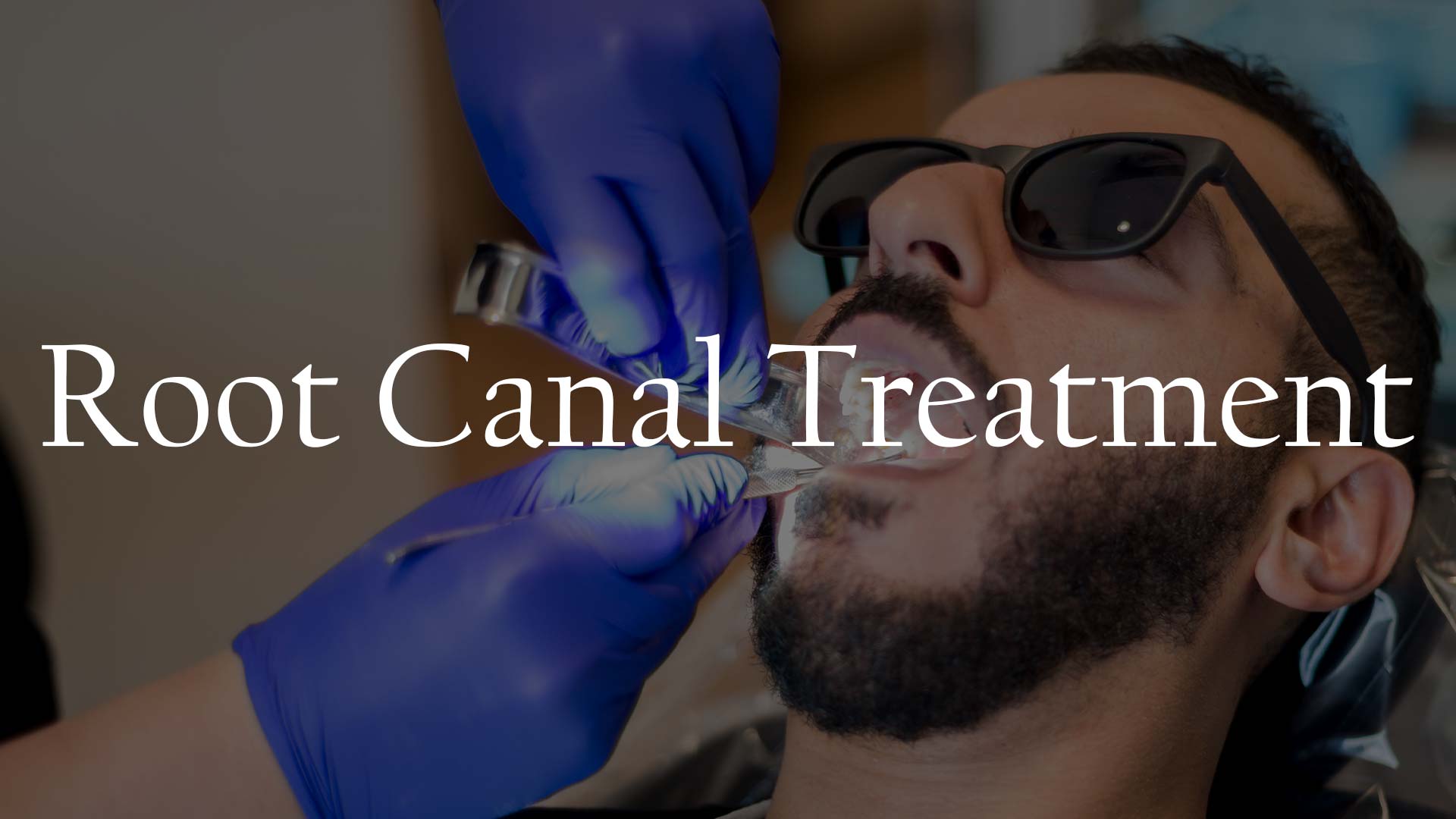
It can be off-putting to hear the term “root canal” come from your Dentist after a routine appointment. But, it doesn’t have to be as scary as you may think. Check out these eight most common frequently asked questions about root canal treatments to learn more about what to expect, the truth about root canal treatment costs, and the real root canal treatment side effects.


What is a Root Canal?


A root canal treatment is a serious Dental procedure that is performed when the pulp in your tooth becomes infected. It could also be performed if the nerves are killed by tooth decay. In some cases, this procedure is necessary when a tooth that only needs a filling is left to rot or crack from trauma or hard foods.  

Recurring abscesses may also occur in that area, indicating a problem. An abscess will appear as a bump on the gum–almost like a pimple in your mouth. This bump is full of bacteria and pus. If your dentist determines this is the best course of action, it must be treated with antibiotics or a root canal. 

During the procedure, the decay is removed from the inner part of the tooth and replaced with a temporary filling. The area must then dry before the inside of the tooth can be filled with a sealer paste and tooth cement. Finally, a permanent crown is secured to protect the tooth's root and prevent future damage. 

Is the Procedure Long?

 Root canals used to take what felt like several hours and weren't comfortable for the patient or even the dentist. Today root canals can be completed within 15-30 minutes after the anesthetic has been applied. Technology improvements have allowed for root canals to be done more efficiently, with the removal of the infection reaching higher completion rates in recent years to help avoid reinfection.
 

Root canal aftercare consists of avoiding eating with the affected tooth until the numbing agent has worn off. Within 24-48 hours, eat soft foods and avoid anything hard or sticky, e.g., taffy, until you have a permanent crown. 

Why Would I Need a Root Canal?

A root canal is a primary treatment to save your tooth from extraction. 

Why Couldn't I Just Remove My Tooth? 

Removing your tooth may be cheaper, but it won't be cosmetically sound nor wise. Every tooth pulled prematurely that could have otherwise been saved will affect your smile, especially if not replaced with an implant, bridge, or denture. Extracted teeth change the shape of your face, as that tooth essentially fills out your face, and its roots make up your facial structure. 

Will the Affected Tooth Always Hurt? 

Not necessarily. A tooth that needs a root canal can appear asymptomatic on the surface while it's doing damage within. See other symptoms of a root canal here. 

My Tooth is Cracked. Do I Need a Root Canal? 

A cracked tooth does not always indicate a need for a root canal. A dental consultation is best to determine the needs of your teeth. 

How Much Does a Root Canal Cost? 

Root canal treatment costs can vary for many; they will vary depending on your location. Root canals in India range from Rs. 1,500 to 12,000. To reduce the barrier to receiving a root canal treatment, many dentists offer root canal treatment cost payment plans, which divide your payments into a few monthly payments. Discuss your options with your dentist. 

What are the Side Effects Of a Root Canal Treatment?


Some common root canal treatment side effects include: 

  • soreness

  • swelling at the site and outside of your mouth

  • pressure

  • aching jaw

  • raw gums

  • pain, which requires prescription-strength pain relievers provided by your dentist.

Book a consultation with Evershine Dental Clinic for a safe and comfortable evaluation of your teeth. Transparent root canal costs are available on our website.    


Read more…

Top 6 Dental Care Mistakes You Should Avoid

It is crucial to realize that good dental hygiene, a fit lifestyle, and routine dental checkups are all necessary for healthy teeth and gums. However, despite the fact that good dental hygiene is not that hard, some individuals continue to make mistakes that can harm their smiles. For instance, if you clean your teeth improperly or, on the other hand, brush them excessively, both habits might compromise your teeth. 

You must avoid these six widespread dental care mistakes if you want to preserve the health of your smile.

1. Brushing your teeth once a day only
Many folks believe that brushing their teeth once daily is sufficient to completely remove dental plaque, tartar, and bacteria from their teeth. You should avoid brushing your teeth just once a day since numerous bacteria are being left in your mouth. 

These bacteria cause cavities by producing acids. If you keep them in your mouth all night, you run the risk of developing tooth decay and other dental health problems. To prevent bacteria buildup, you should clean your teeth twice daily.

2. Avoiding flossing your teeth 
Flossing is a crucial aspect of maintaining good dental hygiene. It's important to realize that even the most meticulous tooth cleaning can miss plaque and food debris lodged between your teeth. Dental floss gets rid of this junk from your mouth and stimulates the flow of blood to your gum line.

3. Brushing your teeth too often
You should be aware that cleaning your teeth too frequently can harm them. If you typically clean your teeth for 10 minutes after each meal, you could easily compromise your tooth enamel. Dental hypersensitivity, toothaches, and receding gums may follow from this. Take a few sips of water or use mouthwash to freshen your breath instead of brushing your teeth after eating.

4. Using wooden toothpicks 
Many individuals frequently use wooden toothpicks to eliminate food that has become lodged between their teeth, but t it's important to realize that wooden toothpicks might be more harmful than helpful.

The pointed tip of a wooden toothpick has the potential to scrape your teeth and cut your gums. It can very easily break and become lodged in your teeth. Therefore, if you need to clean the space in between your teeth, it is preferable to use dental floss or floss picks.

5. Using hard-bristled toothbrush 
If you believe that a toothbrush with hard bristles eliminates plaque and tartar more effectively than one with soft bristles, you should be aware that they are equally effective. The primary issue, though, is that hard bristles can damage the enamel of your teeth. Since acids weaken your dental enamel, they are particularly harmful if you've had acidic meals or beverages before cleaning your teeth.

6. Not getting routine dental exams 
If you experience tooth pain or other dental conditions that produce soreness or other symptoms, it may seem apparent that you should see a dental specialist. To check the state of your mouth, it's also crucial to visit one of the most experienced cosmetic dentists at least biannually.

You should be aware that many dental disorders can emerge without any outward signs, and that only a professional can see them in the very beginning. In addition, many medical conditions are significantly simpler to address right away.

The bottom line
You must practice good dental hygiene and pay special attention to the condition of your teeth if you want to preserve a healthy smile. To lessen the damage caused to your teeth, it's also crucial to quit bad behaviors like smoking and using wooden toothpicks.

Read more…

Whitening toothpaste, over-the-counter gels, rinses, strips, trays, and things you acquire from a dentist are just a few of the numerous Houston teeth whitening methods and items available. People with healthy, unrestored teeth (no fillings) and gums are the best candidates for teeth whitening. People who have yellow-colored teeth respond well. But not everyone should have this aesthetic treatment.


affordablehoustondentist1024x683.jpg


The whitening of teeth is temporary. According to teeth whitening Houston, when people consume meals and drinks that stain their teeth, the whiteness of their teeth may start to deteriorate in as little as one month. Depending on the state of the teeth, the amount of staining, and the kind of bleaching procedure utilized, the degree of whiteness will differ from person to person.


What are the safety tips for teeth whitening? 


Guard your sensitive teeth

After teeth whitening Houston tx, you can experience slight sensitivity, but it's not a problem. It might not be a problem if your teeth and gums are in good condition. Stop the procedure if it disturbs you, then consult your emergency dentist Houston tx. If the gel-filled trays you wear over your teeth like a mouthguard don't fit properly, they may irritate your gums. If you start experiencing this issue, it's a good idea to discontinue using the product.


bestdentalcrownsandproducts.jpg


Follow your dentist's advice.


According to Houston emergency dental experts, if you leave the strips or gels on longer than recommended, you risk causing painful gums and opening yourself up to other issues. Stay away from soda, sports drinks, and other acidic drinks for a couple of hours to safeguard your teeth after teeth whitening.


Don't overdo it


How much bleaching is excessive? A once-a-month touch-up session is typically sufficient if you follow a product's instructions and achieve decent results. You'll need to repeat the several bleaching sessions twice a year or fewer until your teeth are the shade you choose.


Which is the best method of whitening your teeth? 


In-office Whitening 


The quickest way to whiten teeth is in-office bleaching. When you get bleaching from the in-office, your teeth get immediate treatment with the whitening agent. Heat, a laser, and they use lasers in conjunction with these products. One 30- to 60-minute treatment is necessary to notice results. 


But it typically takes several appointments to get dramatic results. However, following the first treatment, dramatic results are visible with in-office bleaching. This method of whitening is also the priciest one.


Does whitening toothpaste help? 


Due to the moderate abrasives they include, toothpaste all erases surface stains. Some toothpaste remove stains more effectively than others using chemical or mild polishing agents. Over-the-counter and professional teeth whitening Houston solutions use hydrogen peroxide or carbamide peroxide to lighten the tooth's color from the inside out. And whitening toothpaste merely removes surface stains and does not include bleach.


Whitening toothpaste can bring the color of the teeth up to one shade. On the other hand, teeth whitening with prescription-strength at your dentist's office can whiten your teeth in three to eight shades.


Conclusion 


We hope the above information will give you valuable insight regarding teeth whitening treatment. For further informative details, please visit urbndental.com. 


Article Source : https://www.gohealthtips.com/what-is-teeth-whitening-treatment-and-how-long-does-it-last/

Read more…

According to Emergency Dentist Near Me, a tooth abscess is a pocket of pus caused by a bacterial infection. For various reasons, a spot can develop in multiple areas of the tooth. A periapical abscess forms at the tooth root's tip, whereas a dental abscess develops in the gums at the root's side. Usually, the occurrence of peripheral tooth abscesses is a result of an injury, untreated dental cavity, or prior dental work.


Dentists will treat the tooth abscess by draining it and getting rid of the infection. They'll save your tooth through root canal treatment. But in some severe cases, they need to extract the tooth. Leaving a tooth abscess without proper treatment can lead to serious life-threatening complications.


What are the symptoms of tooth abscesses that we shouldn't ignore?


The dental abscess symptoms and signs that we should not ignore are-


  • Sensitivity to cold and hot substances and temperature


  • Persistent and severe throbbing toothache can radiate to the neck, jawbone, or ear.


  • sensitive sensation to the pressure of biting or chewing


  • Swelling in your cheek or face


  • Fever


  • A sudden rush of foul-tasting and foul-smelling. Salty fluid or liquid in your mouth and pain relief. If the abscess ruptures


  • Tender, swollen lymph nodes under your jaw or in your neck


  • Difficulty in swallowing or breathing.


Diagnosis of a tooth abscess


In addition to the tooth and surrounding area, your dentist may


  • Recommend an X-ray. An X-ray of the painful tooth can help determine whether or not there is an abscess. A dentist Near Me may also use an X-ray to see if the infection is spreading and causing abscesses in other locations.


  • Tap on the teeth. An abscess in the base of a tooth is usually sensitive to touch, temperature, or pressure.


  • Recommend a CT scan. Dentists may do a CT scan to determine the extent of the illness and if it has migrated to other parts of the neck.


What are the stages of a tooth abscess?


The gum abscess stages that need treatment are-


Stage 1 - Enamel decay


When plaque develops upon the surface of the tooth and gums, an acid is released, which begins to destroy the tooth enamel. As a result, your tooth starts to decay, and a cavity forms.


Stage 2 - Dentin decay


Suppose you don't get Abscess Tooth Treatment for your tooth cavity at this stage. The bacteria may continue to eat their way through the enamel and enter the sublayer.


Stage 3 - Tooth Pulp Infection


The germs can now penetrate the inner tooth pulp after eating through the dentin. It can cause havoc with the tooth's nerves, resulting in their death. When It happens, the body's immune system begins to attack the infection. As a result, pus forms around the decaying roots, resulting in an abscess.


Stage 4 - Tooth loss and more


Discomfort or throbbing pain at this stage usually indicates the presence of a tooth abscess that needs immediate treatment. As a result, you should get treatment before it worsens. However, if you overlook the dental abscess, the tooth abscess can erode more bone, leading to tooth loss.


Conclusion


From the above-given article, we get some valuable information about tooth abscesses. The above article discusses the symptoms, stages, and diagnosis of tooth abscess. For more helpful information regarding tooth abscesses, please visit emergencydentistinhouston.com.


Article Source : https://www.spiceupblogging.com/what-do-you-know-about-tooth-abscesses/

Read more…

With the help of a bonding technique, they apply a tooth-colored composite resin to fix a decaying, chipped, broken, or discolored tooth. Dental Bonding Near Me usually takes only one visit to complete, as opposed to veneers, which must be created in a lab and call for a unique mold to get a correct fit. Because the tooth-colored substance attaches to the tooth, the process is known as bonding. Dental Bonding Cost can be pretty high, so consult your dentist about affordable treatment plans.


mouthguard.jpg


According to Best Dentist In Houston, bonding is one of the simplest and least expensive cosmetic dental procedures. You can polish the bonding composite resin and sculpted to fit the neighboring teeth. The most common use of bonding is to conceal a chipped or discolored tooth for cosmetic reasons. 


Additionally, it can be applied to close holes between teeth, lengthen them, or alter their color or shape. In some cases, bonding is also utilized as a cosmetic substitute for amalgam Tooth-Colored Fillings or to cover a section of the exposed tooth root caused by gum recession.


How do dental specialists perform dental bonding? 

Your dentist will choose the composite resin color that most resembles your teeth' shade using a shade guide. Your dentist will softly etch or rub the tooth's surface after deciding how to roughen it up. They will softly apply a conditioning liquid to the tooth to assist in the sticking of the bonding substance.


edgedentalwaiting2.jpg


Your Dentist In Houston Tx will apply the tooth-colored resin, which resembles putty, after the preparation of the teeth. The resin is molded and smoothed to get the desired shape and harden the material using laser or ultraviolet radiation. Your dental specialist will further trim and give shape to the bonding material when it has dried and become solid. 


After that, they will polish the substance until it resembles the sheen of the rest of the tooth surface. The process typically takes between 30 and 60 minutes to complete. You may require many appointments if you require work done on more than one tooth.


What are the major advantageous and disadvantageous factors of dental bonding? 


Teeth Bonding Near Me, in the opinion of dentists, is the ideal solution for minor cosmetic adjustments or for front teeth repair where there is less bite pressure. Consult your dentist for the best aesthetic action for your specific issue.


Advantageous factors of dental bonding are 


  • Dentist bonding, as opposed to veneers and crowns, takes a single dental visit to complete.
  • The amount of tooth enamel removed is minimal.
  • In most cases, bonding doesn't need anesthesia unless they use it to fill a cavity.
  • Dental bonding is one of the most effective, simplest, and most affordable cosmetic dental procedures.


The disadvantageous factors of dental bonding are 

  • The bonding materials may not sustain intense pressure because they aren't as durable as crowns, fillings, and veneers. 
  • Although the material is reasonably stain-resistant, crowns are more stain-resistant than it is.
  • Bonding materials can very readily fracture or chip, breaking the tooth.


Conclusion 

We hope the above-given information will help you understand more about dental bonding, and the above article will give you valuable information regarding teeth bonding. For further informative details, please visit edgedentalhouston.com. 


Article Source : https://www.techsmarttips.com/why-do-dental-specialists-use-dental-bonding/

Read more…

Dental veneers typically consist of composite resin or porcelain and require intensive prep work. There are also no-prep veneers that dentists apply through a different process. Traditionally, using dental veneers Houston entails cutting down the tooth structure and, in some cases, removing portions of the tooth – even past the enamel. It enables correct installation, but it's an irreversible technique that can be uncomfortable and frequently requires using a local anesthetic.


affordablehoustondentist1024x683.jpg


Your dental issues determine the number of teeth involved in tooth removal. A dental specialist may order a wax model to show you how the porcelain veneers Houston would look if it involved multiple veneers. On the other hand, the no-prep veneers may require alterations or tooth preparations. But these preparations are minimal. 


Porcelain veneers

Some dentists may begin by grinding down the teeth and then making an impression of your teeth and creating a mold. They'll then send the mold to the lab to make the porcelain veneers. Once the veneer is ready, your Houston cosmetic dentist may place it on your teeth and cement it in place. They may use temporary veneers until the permanent veneers may come back from the lab. Meanwhile, the dentist may use CAD/ CAM technology so that a computer can design a veneer. 


bestdentalcrownsandproducts.jpg


No-prep Veneers

It includes choices like Vivaneers and Lumineers, which are specific brands of porcelain veneers. They are less invasive to apply and take less time. No prep veneers only affect the enamel instead of removing layers of a tooth under the enamel. According to best veneers in Houston, no-prep veneers usually do not require any anesthetic or temporary veneers. 


Composite resin veneers

Suppose you want to choose composite resin veneers. In that case, your dentist will roughen the surface of your tooth before adding a thin layer of the composite resin material to your prepared tooth. Houston dentist open Saturday explains that it may require Additional composite layers to attain the desirable outcome. Your dental specialist will then use a special light or laser to cure, or harden, the composite veneer.


How can you prepare for the appointment for a dental veneer?

Before getting your veneers, you'll have a preliminary appointment to discuss which options are correct for you and how many veneers you want to have. In some cases, if the teeth are uneven or crooked. You may need to have braces before having the veneers. At this point, your dental care provider will most likely take X-rays to assess the health of your teeth. They'll search for evidence of dental decay, gum disease, or root canal therapy. 


You may not be ideal for veneers if you have these conditions. At your next appointment, your dentist may trim down about half of a millimeter of the tooth before taking the mold or impression of your teeth to get the accurate size for your veneers. They send the image or decay to the lab to create the veneers. 


Conclusion

We hope the above-given information helps you learn some beneficial things regarding dental veneers. The above article focuses on the types of dental veneers and the preparation for the veneers. To know more interesting information regarding dental veneers, please check out urbndental.com. 


Article Source : https://www.hugotips.com/what-essential-things-do-you-know-regarding-various-types-of-dental-veneers/

Read more…

Dental veneers, also known as porcelain veneers Houston, are ultra-thin, custom-made covers for the front teeth. It consists of materials that match your natural teeth. According to orthodontics near me, the teeth' color, form, size, or length increases by these shells glued to the front of the teeth.


quangtringuyenvxvo1zry5f8unsplash600x400.jpg


Dental Veneer Types


Adult orthodontics Houston experts can create veneers for the mouth from porcelain or composite resin materials. Compared to resin veneers, porcelain veneers are more stain-resistant and more closely resemble actual teeth in terms of how well they reflect light. With your dentist, you must decide which veneer material is ideal for you.


How do they diagnose and prepare for a dental veneer procedure? 

Dental veneers typically require three visits—one for a consultation and two more for fabrication and application. The veneering procedure can be carried out simultaneously on one or several teeth.


planning for diagnosis and therapy

You will explain to the dentist what you aim to achieve. Your dentist will evaluate your teeth at this visit to determine whether dental veneers are a good option for you. Dentists who do the best veneers in Houston will also review the procedure's advantages and disadvantages.


houstondentistnearme.jpg


Preparation

Your dentist who does Houston dentist veneers will reshape the tooth surface to match the thickness of the veneer that they will apply to the tooth surface to prepare a tooth for a veneer. You and your dental specialist will decide if they opt to numb the area before cutting the enamel. Your dentist will next create a model of your tooth, also known as an impression. 


They will deliver this impression or model to a dental lab, where they'll create your veneers. The veneers return from the laboratory in two to four weeks on average. In the meanwhile, you may wear temporary dental veneers.


Bonding 

Before securely attaching the veneer to your tooth, your dentist will first place it on your tooth to check its fit and color. They will repeatedly remove the veneer to obtain the ideal fit. You can alter the veneer's color depending on the type of cement your specialist will use. They will clean your tooth, polish, and etch to prepare for the veneer. The tooth is made rougher by etching to promote a powerful bonding process. 


Best veneers Houston dentists also coat the veneers with special cement before bonding to your tooth. Your dentist will place the veneer in the ideal location before using a special light beam to activate chemicals in the cement and hasten the hardening process.


The last few procedures involve cleaning up any extra cement, assessing your bite, and making any necessary corrections. To examine your gums and for the veneer placement, your dentist might ask you to come back for a follow-up appointment in a couple of weeks.


Dental veneer aftercare

Dental veneers do not require any special care. Make sure to follow good dental hygiene practices, including flossing, brushing, and rinsing with an antiseptic mouthwash as you generally do. Even though porcelain veneers resist stains, your dental specialist may recommend that you should avoid consuming stain-causing food and beverages. 


Conclusion 

We hope the above-provided information may help you know more valuable details regarding Dental veneers. For more informative information regarding dental veneers, please check out urbndental.com. 


Article Source : https://www.transitsblog.com/what-do-you-know-about-dental-veneers-and-what-are-their-types/

Read more…
 

Dental emergencies come in many forms, and some situations are more urgent than others. People are often hesitant to call their dentist when they’re experiencing a dental emergency, wondering if the situation truly warrants emergency dental care and if a treatment will be covered by their insurance plan. 

If you’re in severe pain, have a fever, or are experiencing swelling or bleeding that cannot be controlled, don’t delay contacting your dentist or visiting the hospital emergency room. Some problems can be life-threatening. Other problems may be less urgent, but avoiding immediate dental care can cause greater problems down the road. Play it safe and get a proper consultation.


What is a dental emergency?


Dental emergencies as anything “potentially life-threatening and requiring immediate treatment to stop ongoing tissue bleeding or to alleviate severe pain or infection.”


Life-threatening dental emergencies can include:

 
  • Uncontrolled bleeding – may be from trauma, accident, health condition, or other cause

  • Soft-tissue infections with intraoral or extraoral swelling that potentially compromises the patient’s airway. Be aware that tooth infections can spread into the soft tissues causing swelling without causing pain.

  • Trauma involving facial bones potentially compromises the patient’s airway.

Other dental emergencies may not be life-threatening but will require urgent care. Some of these include:

 
  • Severe tooth pain from decay and/or dying pulp

  • Third molar/wisdom tooth pain

  • Pain from post-extraction surgery or dry sockets

  • Abscesses or other infections causing pain and localized swelling

  • Objects caught under the gums or between teeth causing pain and/or swelling

  • Tooth chips, fractures, or lost fillings causing pain or trauma to the teeth, soft tissues, or both

  • Trauma to the teeth causing one or more teeth to become loose, displaced, or even lost

  • Orthodontic wires or other dental appliances becoming loose and cutting into the cheeks, gums, or both


What are the causes of dental emergencies?

 
file.jpg


Oral conditions such as tooth decay, gum disease, TMJ disorders, and large and older fillings contribute to the bulk of dental emergencies. However, multiple situations in daily life may accidentally lead to a dental emergency. Some examples include:

 
  • Playing contact sports

  • Work-related accidents

  • Car accidents

  • Falls during normal activities or recreational play

  • Eating something hard

  • Improper use of your teeth (e.g. ice chewing; opening bottles, packages, tough nuts; cutting tape; chewing pencils/pens; biting nails

  • Jaw joint pain or locking

The longer that dental issues go untreated, the more likely that they may result in permanent damage to your teeth, or that they may warrant serious and expensive treatments.


How to handle common dental emergencies


Here are some tips on how to handle common dental emergencies:


1. Toothache


A toothache may not necessarily require emergency care. However, toothaches should be taken seriously since they could be an indicator of a bigger issue or lead to greater dental problems if ignored. There can be many sources of tooth pain including dental decay, a cracked tooth, an infected tooth pulp, objects stuck between the teeth, gum disease, sinus infections, and more.

 If you have a toothache, always contact your dentist – they’ll be able to help determine if you need to be seen immediately.
 To deal with the pain of a toothache, try these tips:
 
  • Floss carefully to remove any trapped food particles wedged between teeth that may be causing pain.

  • Rinse your mouth with warm saltwater. Add 1/2 tsp of salt to 8 oz. of warm water.

  • Take an over-the-counter pain reliever, such as acetaminophen.

  • Do not put aspirin on the sore area, it can burn the tissue.

  • If your face is swollen place a cold compress on your cheek to help reduce pain and swelling. Swelling can mean infection and abscess.

  • If pain persists, make an appointment with Evershine dentist as soon as possible.


2. Tooth trauma


Tooth trauma can happen in multiple ways and can result in chipped teeth, cracked teeth, or teeth that are knocked out of place or even entirely out of the socket. Here are some tips to consider:


Knocked-out tooth

 
file.jpg


If a child’s primary (baby) tooth gets knocked out, apply pressure to the area if there is bleeding. Then, you should call your child’s dental professional as soon as possible. Don’t try to place a baby tooth back into the socket, as this may damage the permanent tooth growing under the gum.


Here are steps to follow should you have a permanent tooth knocked out:

 
  1. Locate the tooth immediately, if possible. If you can locate the tooth, you need to hold it by the crown and not the root.

  2. Do not scrub or remove any tissue pieces from the root. Also, do not use soap or chemicals on the tooth or dry the tooth.

  3. Place the tooth back into the socket and hold it in place. The tooth must stay moist at all times. If you can’t place it in the tooth socket, keep it in your mouth next to your cheek. However, if this cannot be done, place the tooth in a clean holder with milk, saliva, or in an emergency tooth preservation solution.

  4. Do not place the tooth in tap water.

  5. See your dentist right away. Within 30 minutes is best, but there is a chance the tooth may be saved even up to an hour after being out of the mouth.


Chipped or broken teeth

 
b3442e_4428653be2514eea8f125fbad40b9128~mv2.webp


Chipped, broken, or cracked teeth are the most common dental injury and most are usually minor. However, it’s important to note that immediate treatment can help prevent infection and may help save the tooth. Here are some tips to follow should you have chipped or cracked teeth:

 
  • Rinse your mouth with warm water and assess for any rough edges, pain, or temperature sensitivity.

  • If you received a blow to the face, put cold compresses on the area to help reduce swelling.

  • You will need to go to your dental professional’s office as soon as possible. If you can locate the piece of tooth, bring it with you.


3. Bitten or cut tongue, cheek, or lip


If you bite or cut your tongue, cheek, or lip, first, stay calm. There are a lot of blood vessels in the mouth tissues, so even minor wounds may look worse than they are. Wash the area gently and control any bleeding by placing moist gauze or a towel on the injured area and keep firm pressure until the bleeding stops. Then place a cold compress on the area to reduce any swelling. Most injuries in the mouth aren’t serious and heal properly on their own. Keep the area clean to avoid infections. Rinse with salt water or a 1:1 mix of hydrogen peroxide and water several times a day to help things heal quickly.


If the area is bleeding and won’t stop, then contact your doctor or head to the nearest hospital emergency room. Make sure to contact Evershine Dentist or physician if the cut is deep, extends onto the face, or if there is a puncture through the lip or cheek. Also, contact if you see signs of infection, like swelling, redness growing wider around the wound, fever, pus, or the wound remains tender and painful.


If you or your child have orthodontic braces and a loose wire or bracket that is poking or cutting into cheeks or gums, then talk with your orthodontist about how to handle such a situation. We can provide you with some wax and some ways to take care of the problem at home or if you are away on vacation until you can get back into the dental clinic.


 How to prevent dental injuries


Regardless of whether it was eating something hard, playing contact sports, or a fall, engaging in certain activities can increase the chances of harming your pearly smile. Follow these suggestions to help prevent dental injuries:

 
  • Wear a mouthguard when playing sports or participating in recreational activities (like biking or skating).

  • Always use a seatbelt while driving or riding in a car. Place young children in a car seat.

  • Childproof your home to help prevent falls and other injuries.

  • Schedule regular dental visits for everyone in your family.

  • Avoid chewing on items or hard foods that can crack your teeth like ice, popcorn kernels, and hard candies.

  • Do not use your teeth as tools to rip, tear, or cut things.


What if I have a dental emergency and am not sure what to do?


The first thing you should do is contact Evershine Dental Clinic: we will be able to advise you on what to do. Since you never know when an accident will occur, we recommend reviewing and being familiar with your insurance plan, which will have information about how dental emergencies are covered.


Final thoughts


The most important thing to remember in the case of a dental emergency is that it’s better to take action sooner rather than later to avoid greater problems later on. If it is a severe condition, then you can go to the nearest hospital emergency department. For dental emergencies that are not life-threatening, contact Evershine Dental Clinic as soon as possible so that we will be able to help you resolve the situation on your own or let you know that you should make an appointment.

Read more…

How Do I Get Rid Of Bad Breath?


Bad breath (the medical term for which is halitosis) is an embarrassing but incredibly common oral health problem. In fact, it is estimated that bad breath impacts more than 50% of the general population around the globe. Yet many people who suffer from halitosis are completely unaware of their condition until it’s pointed out by someone else, often leading to uncomfortable social exchanges.


There are an immense variety of products on the market that promise to eliminate bad breath: Everything from mouthwashes to chewing gum, breath mints, and dissolving tongue strips. In most cases, however, these products only provide a temporary solution. Foul smelling breath can be caused by a number of underlying conditions; only by treating the root cause can chronic halitosis be stopped for good.


Experiencing a serious case of bad breath that won’t go away despite your best efforts?


See us at Evershine Dental Clinic as soon as possible to rule out more serious oral health issues.


What Causes Bad Breath?


We all know that bad breath can develop if you don’t brush your teeth – but do you know what’s happening on a molecular level? Bad breath takes place when volatile compounds are formed and released orally, whether or not those compounds originated in the mouth. These volatile substances may contain sulfur- or nitrogen-containing compounds, amines, alcohols, or ketones, all of which have a particular molecular structure that your brain registers as an unpleasant smell.


The majority (90 percent) of halitosis cases originate in the mouth; the other 10 percent may be caused by gastrointestinal, respiratory, or other non-oral diseases. If you experience bad breath only on occasion, it’s probably nothing to be concerned about: Most likely, it has to do with something you ate, a lapse in brushing or flossing, or simply a lack of flowing saliva (which plays a major role in ‘morning breath’). Luckily, adhering to proper dental hygiene habits is typically sufficient for combatting the average case of halitosis.


The following are some of the most common causes of bad breath:


  • Poor Oral Hygiene: If teeth are not brushed and flossed regularly, particles of food will tend to remain lodged between them. As these particles begin to decay, they release molecular compounds that lead to bad breath. In addition, microbial deposits that build up on the tongue function as bacteria-rich harbors; this is another common source of unpleasant-smelling breath. As long as good oral hygiene is put into practice – including brushing or scraping the tongue and regular flossing – these instances of halitosis will be reduced.

  • Certain Foods: Foods such as garlic, onions, pickles, radish, and certain spices and condiments contain odor-causing compounds. These compounds are absorbed into the bloodstream and later released when exhaled. Halitosis caused by food is temporary, typically lasting only a few hours.

  • Dental Problems: Certain dental problems can also lead to bad breath. Gingivitis, periodontal disease, cavities, dry socket, oral ulceration, and pericoronitis are possible causes. If you notice inflammation of your gums or are experiencing any tooth pain or pain when chewing along with bad breath, visit Evershine Dental Clinic in Mumbai to address any possible dental conditions.

  • Tobacco and Alcohol: Tobacco and alcohol both influence bad breath by introducing volatile compounds into the bloodstream. In addition, tobacco products tend to dry out the mouth, making bad breath even worse – since saliva is what keeps your mouth flushed and clear of residual food particles, insufficient saliva production has a considerable impact on halitosis.

  • Dry Mouth: Caused by certain medications, health conditions, or excessive alcohol, tobacco, or caffeine consumption, dry mouth is indicated by a decrease in natural saliva production. As mentioned, saliva production is incredibly important to oral health: It keeps your mouth clear of debris and provides disease-fighting substances that help to ward off cavities and other infections. A lack of saliva means more food particles will decay in the mouth and the likelihood of other dental issues is increased, thereby increasing the risk for bad breath. This is another reason why many individuals experience ‘morning breath’ – simply because dry mouth can occur overnight due to the lack of hydration and saliva production during sleep.

Non-Oral Health Conditions


It is possible for bad breath to be caused by an associated health condition that plays a role in the release of volatile molecules on the breath. Dieting, snoring, stress, age, and hormonal changes – including menstruation – can also impact your breath.


The following diseases, among others not listed here, have been known to cause or worsen halitosis:

 
  • Respiratory tract infection

  • Tonsillitis

  • Sinusitis

  • Gastrointestinal disease

  • Gastroesophageal reflux disease (GERD)

  • Hepatic failure

  • Renal (kidney) failure

  • Diabetic ketoacidosis

  • Leukemia

  • Acute fever

How Can I Prevent or Reduce Bad Breath?


The majority of halitosis cases are easy to prevent. Implementing healthy dental habits, avoiding odor-causing foods, and regularly visiting Evershine Dental Clinic for professional cleanings and examinations will all help keep your breath fresh. However, if bad breath persists despite these preventative measures - and underlying health problems and diseases have been ruled out - there are a few additional measures you can take to mitigate the problem:

 
  • Use Approved Oral Hygiene Products: When purchasing toothpaste, mouthwash, and other oral health products, use fluoride-containing toothpaste to brush at least twice per day; floss at least once per day or use an interdental cleaner to remove food particles from between teeth.

  • Chew Sugar-Free Gum: Look for sugar-free chewing gum to mask bad breath and stimulate saliva production. However, avoid sugary mints or sugar-containing gum, which can increase the risk for tooth decay.

  • Try Tongue Scraping: Don’t just use a toothbrush to clean your tongue. A specially-designed tongue scraper that removes the coating of bacteria accumulated on the tongue can reduce bad breath-inducing sulfur compounds by up to 75 percent. Toothbrush bristles, on the other hand, only reduce these compounds 45 percent according to a comparative clinical trial.

  • Keep Dentures, Retainers, and Mouthguards Clean: If you wear dentures or have a bridge, clean the device thoroughly at least once a day – and make sure to remove it before going to sleep. Use the same cleaning protocol for dental retainers and mouth guards, both of which can harbor odor-inducing organisms and bacteria.

  • Stay Hydrated: The best way to avoid dry mouth and keep saliva flowing is by staying hydrated throughout the day. Drink plenty of water and try to cut back on caffeine and alcohol, both of which can be dehydrating. Remember to consume a large glass of water before bed to help prevent morning breath.

  • Replace Your Toothbrush: When your toothbrush starts to get frayed or the bristles appear worn, it's time to get a new toothbrush. An old toothbrush won’t do a sufficient job in keeping teeth clean and clear of debris. Evershine Dental Clinic Mumbai recommends replacing your toothbrush every three to four months.


Final Thoughts


Bad breath happens. Don't stress! While it may be humiliating, most cases of halitosis can be remedied with simple changes to your lifestyle and oral health routine. However, if the problem persists or is accompanied by other symptoms of dental disease, it is recommended you visit a Evershine Dental Clinic Ghatkopar, Mumbai as soon as possible to rule out more serious conditions.

Read more…

Cigarettes & Your Teeth

  Cigarettes & Your Teeth

Smoking is detrimental to nearly every aspect of your health, but it is particularly dangerous for your teeth and gums. If you are looking for a reason to quit (and we think you should), here are a few ways that smoking can affect your oral health. 

Increases Plaque Buildup

 When you inhale cigarette smoke, the smoke in your mouth triggers your salivary glands and causes them to overproduce. This leads to increased saliva in your mouth for a short time.
 

A little extra saliva might not SEEM like a big deal, but it can have long-lasting impacts on your oral health. See, bacteria in your mouth can use this saliva to take a trip around your gums. As these bacteria move around your mouth, they can settle on your teeth and along your gumline, creating a buildup of tartar and plaque. Over time, this buildup can contribute to gum disease, tooth decay, and other oral problems.


Discolors Teeth


It’s no secret that cigarette smoke discolors everything around it. If you don’t believe us, look at a smoker’s fingers, their clothing, or even the walls of their home! The smoke stains everything it touches, leaving it looking dingy. And guess what: your teeth are no exception to this rule.


A smoker’s teeth encounter smoke every time they light up. The tar and nicotine in cigarettes can easily settle into your tooth enamel and stain them. The result? Your teeth will end up looking yellow – or even brown after many years of tobacco use! This can make you feel insecure or uncomfortable with your smile.


Impedes Circulation


Some smokers may notice that their gums bleed easily after brushing and flossing. This is no coincidence! In fact, this is yet another side effect of smoking. Cigarette smoke restricts blood vessels in your gums, making it more difficult for them to function properly. As a result, a smoker’s gums might become inflamed or infected more often than a non-smoker’s.


It is important to note this side effect because of the way it impacts your oral care. If you smoke, your gums may have a harder time healing after oral surgery or periodontal treatment. Smokers need to be honest with their dentist about their habits so they can receive the most effective oral care.


Contributes to Oral Cancer


Finally, we need to discuss this harrowing fact: according to a study from the University of California, San Francisco, over 80% of people diagnosed with oral cancer were smokers. A vast majority of people who smoke end up suffering from cancer in their mouth, lips, or throat. This statistic alone points to how great a danger smoking presents to your health.


Take Care of Your Teeth


If you are a smoker and you want to take care of your teeth, the best thing you can do is quit (or at least cut back). The next best thing? Visit your dentist regularly for routine checkups and cleanings. This will help prevent your teeth from becoming too damaged, discolored, or decayed.

Read more…

Dental bonding is when the dentist applies a tooth-colored resin material and hardens it with a special light. Ultimately it bonds the material to the tooth, which helps in restoring or improving a person's smile. We can divide the dental bonding Miami procedure into three steps.


Preparation


Dental bonding requires nothing in the way of preliminary preparation. Unless there's a need for dental bonding to fill a rotten tooth, an orthodontist Hollywood needs to drill the tooth or teeth to change their shape. Anesthesia is frequently not required if the chip is close to the nerve. Your dentist will choose a composite resin hue that closely resembles the tint of your teeth using a shade guide.


The bonding process


The orthodontist Hallandale fl will roughen the teeth' surface and apply a liquid conditioner. These steps aid in the bonding substance's adherence to the tooth. Tooth-colored putty-like resin filling is applied, molded, and smoothed to get the correct shape.


A powerful light or laser hardens the material. Your Hallandale beach orthodontist will further trim and shape the material when it has been set and then polish it to match the gloss of the rest of the tooth surface.


Time to completion


The process of bonding teeth takes 30 to 60 minutes for each tooth. Some dentists believe dental bonding is best suited for mild cosmetic modifications and temporary treatment of cosmetic issues. Dental bonding also helps fix teeth in regions of shallow biting pressure because of some of the restrictions of the procedure. Discuss with your orthodontist Hollywood fl which cosmetic procedure is ideal for you.


How to care for your bonded teeth?


Avoid bad habits like biting your fingernails, chewing on pens, ice, or other hard food items. Also, avoiding using your bonded teeth to pry things open is vital since bonding material can chip. Call your dentist if you discover any jagged edges on bonded teeth or if your tooth feels strange when you bite down. Otherwise, bonding doesn't require any additional maintenance. Simply maintain good oral hygiene.


How long is the lifespan of bonded teeth?


How much bonding a tooth requires influences the longevity of dental bonding materials and your oral hygiene practices. Bonded teeth aren't as strong as natural teeth, and specific techniques can reduce their durability. For instance, if you bite down firmly, the bonding substance may come off the teeth.


What are the advantageous factors of dental bonding?


Tooth bonding is one of the simplest, most effective, and least expensive cosmetic dentistry procedures. Bonding often requires only one office visit unless you must treat multiple teeth. It contrasts with veneers, crowns, and personalized tooth coverings they need to create in a lab.


Another benefit is that the least amount of tooth enamel requires removal compared to veneers and crowns. Also, anesthesia is typically not needed unless dental bonding is done to fill a cavity.


Conclusion


We hope the above-given information will help you learn more about the dental bonding procedure. The above article shows how dentists perform dental bonding procedures and more. For further information, please visit ivanovortho.com.


Article Source : https://www.gohealthtips.com/can-you-describe-the-dental-bonding-procedure/

Read more…

Unlike kids and teens, adults need to think about their professional responsibilities when choosing good braces colors for their braces. If your profession prevents you from showing off your individuality with braces colors, choose a more subdued color scheme, such as dark green or black. Think about if your career will let you wear bright colors.


But while grownups look lovely in a wide range of hues, if your line of work allows you to show off your flair, go for something more flashy like gold, silver, brilliant blue, or even pink! Your bold style will undoubtedly wow your coworkers. Adults might utilize a single color exclusively instead of alternate hues, which might appear less formal and playful.


Don't be scared to stick with a color if you find one that flatters you and goes with your professional attire. Avoid wearing colors like white or pale yellow, which may contrast unfavorably with your teeth and give the appearance of having discolored teeth.


What are the best brace colors for boys and young teens?


Darker braces colors look best on men. Some darker clothes, such as blue or black suits, go well with a darker color scheme. For a more macho appearance, think about pairing your braces with rubber bands in hunter green, dark violet, or dark blue braces. Darker colors like bronze, deep crimson, or even silver may look better on men with lighter skin tones.


According to dentists who do affordable braces near me, Darker-skinned men may prefer a brighter shade like deep green or turquoise. The darkest hues, such as black and brown, should be avoided because they might make your teeth appear discolored.


You should also avoid yellow, white, and precise since they get stains quickly. Keep in mind that everyone's personality is unique. So whatever color scheme you choose should reflect your own unique self.


What are the best braces colors for girls?


Girls or anyone looking for a more feminine option can opt for brighter, lighter braces and band colors. A softer, more feminine atmosphere works nicely with light blue, violet, or green. The use of pastels can be a pretty braces color ideas to give your smile a more feminine feel. Try a color like gold or vivid magenta for a stronger feminine appeal; these will stand out and provide exciting accessory choices for anyone seeking a more feminine appearance.


Since you can vary the color of your braces every month, have fun, and don't be scared to experiment. All braces wearers should avoid choosing extremely dark colors like brown and black. As they can make your teeth appear pale, stained, or dull. The same applies to white and yellow and clear braces bands, and these color bands tend to pic colors from dark beverages like coffee and tea.


Conclusion


We hope the above-given information may help you understand some beneficial factors regarding braces colors. The above article highlights the crucial details about braces colors. For further information about braces, please visit ivanovortho.com.


Article Source : https://www.articleapprove.com/what-are-the-good-braces-colors-for-adults/

Read more…

Are Six Month Smiles Worth It?

In the early 20th century, orthodontics have come a long way to find a healthy and clear smile. Braces have shown an increasingly customizable wide range for patients with more complexity than others.  


While traditional braces work well to fill spaces between and alignment, however not all patients are concerned with only health problems but with their smile appearances. For this particular reason, your dentist suggests you Six Month Smiles


edgedentalwaiting2.jpg


WHAT IS SIX-MONTH SMILES?

Six Month Smiles is a high-tech orthodontic method designed explicitly for teeth visible in your perfect smile. Instead of wearing wired and bracket traditional braces for 24-32 months, patients can expect a quick six-month result, While this treatment can vary according to the case. Six Month Smiles method mostly empathizes with appearance and perfect smile, especially if you are a teenager or older with minor to moderate issues with their smile. 


What exactly is Six Month Smiles for?

  • Crowding and overlapping of teeth
  • Significant gaps in your front teeth
  • Off-centred and unaligned teeth
  • Overbite


mouthguard.jpg


WHAT IS THE PROCESS?

The process is straightforward and the same as the traditional braces because it gently pushes the teeth into a more aligned way within a shorter period. 

After completing a consultation with your dentist, they'll take a digital scan, intraoral and facial pictures, and impressions of your teeth to create fabricated models offsite. If it fits your mouth, the dentist will calculate the movement needed and develop clear brackets and wires. 


Once created, you will come for a second visit to have your wries and bracket bonded, which come in a customed tray so your dentist can place them at the exact place—with hardening light, followed by threading the arch-wire with each bracket.   


HOW DO THEY COMPARE TO TRADITIONAL BRACES?

Like traditional braces, you must come in every four to five weeks to have the arch wires tightened. Treatment can vary from four to nine months and from case to case. And you have to wear a retainer afterwards to prevent your teeth from shifting from perfect to old ones.  


The most notable advantage of Six Month Smiles Before And After is time; six Month Smiles may take far less time to complete. However, Six Month Smiles Problems to fix complex bites and severe misalignment, and the primary intention for correcting minor spacing and alignment.


Is Six Month Smiles budget-friendly?

According to Healthline,  Six Month Smiles Cost is typically less than the traditional one, averaging around $3,900 for treatment that includes upper and lower arches; these fees include the 6 Month Smile Cost of retainers required after the treatment. 


Remember that cost may vary with differnt geographic locations and your dental coverage.

Also, because it is considered more of a cosmetic treatment, an orthodontist's treatment can only align anterior teeth and does not change a bad bite; limited coverage may apply. 


Keeping them in mind, you want to confirm your emergency dentistry goals with your dentist before any treatment. Schedule a consultation with the dentist today!


Article Source : https://www.wellbeingcares.com/are-six-month-smiles-worth-it/

Read more…

According to pediatric dentistry Miami, periodontal diseases, dental erosion, and gingivitis can affect children of all ages. 


Pediatric periodontitis

Pediatric periodontitis is a severe oral condition affecting gums and jaw bone. It can develop from gingivitis if you don't get proper treatment. Red, receding, and bleeding gums are typical signs of periodontal disease.


dentistryforchildren.jpg


Dental erosion

According to Miami pediatric dentist, dental erosion is the invariable loss of tooth enamel. Extreme exposure to acetic foods and liquids can also cause it. 


Gingivitis

You can distinguish gingivitis by the pain and inflammation in the gingival tissue with no attachment or loss of bone.  


Why is it better to choose a pediatric dentist? 

Visiting the dentist for kids in Miami can be frightening, even for adults. Understandably, patients would try to postpone dental checkups given the odd sounds and odors and their personal tooth pain experiences. This fear can be particularly severe in children. However, take the right approach. Your child can grow to associate going to the dentist for kids Miami with only good things. 


kidsdentistnearme.jpg


Because of this, it's essential to find a pediatric dentistry office that genuinely appreciates the value of developing a close relationship between patient and dentist from a young age.


Let's look at a few key advantages of pediatric dentistry:


A focus on kids


A pediatric dental office has personnel skilled in putting youngsters at ease. The staff's mission is to reassure your youngster from the very first cordial greeting until you leave for home. They know that visiting the dentist can be a terrifying experience, and they will try to relieve your worries. It is beneficial when your youngster is seated at the dentist's office. The team knows it is necessary to comfort your child when they feel overwhelmed.


Welcoming and warm


Pediatric dentistry offices provide a cheerful environment from the moment your child walks through the door, unlike conventional clinics, which can occasionally be chilly and unwelcoming. The dentist's office is far less frightening by using vibrant colors, creative decorations, and kid-friendly toys and publications.


Primary tooth care


Yes, your child's baby teeth will ultimately fall out, and adult teeth will replace them. However, it doesn't lessen the significance of toothache or cavities in baby teeth. These teeth have considerably weaker enamel and require additional care, which a dentist for kids Miami fl can provide.


Making oral health care fun


Brushing and flossing should be ingrained habits by the time you reach adulthood. However, persuading children that dental health should be a priority in their daily routine. A kid's dentistry office's staff may make oral hygiene enjoyable. 


Pediatric dentists can engage children in developing healthy oral hygiene practices in various ways. Additionally, because pediatric dentists specialize in treating children, establishing a comfortable rapport with their young clients comes naturally to them. It is crucial to start taking your child to regular pediatric dental visits. 


Conclusion


We hope the above-provided information helps you learn some beneficial things about pediatric dentists and dentistry. The above information focuses on pediatric dentistry's various advantageous factors and aspects. For more interesting and practical knowledge regarding pediatric dentistry, please check out vippediatricdentist.com.


Article Source : https://www.spiceupblogging.com/what-are-the-most-prominent-pediatric-dental-conditions/

Read more…

Yes, you can absolutely wear braces with missing teeth. When they remove teeth without replacing them, the teeth on each side may slant toward the area where the tooth was. Gum and bone problems may result from this. The best way to prevent the teeth surrounding a lost tooth from shifting into an unfavorable position is frequently with braces.


In rare instances, braces can aid in filling the gap left by a missing tooth. You can wear underbite braces, overbite braces, or any kind of braces with missing teeth without any issue. People lose their adult teeth for various causes, including accidents, natural conditions (the tooth never developed), and genetics (decay, an accident, etc.).


When a tooth is missing, affordable braces Miami can help by realigning the remaining teeth so that a future implant or replacement will be possible. Or, as was already indicated, the new alignment could be designed to close the space left by the missing tooth. Once more, every circumstance is unique, and you can discuss it in a consultation.


How do they make it work?


Orthodontic therapy is frequently started early for kids with malocclusions. It interferes with the eruption of their adult teeth or the growth of their jaws. The remaining teeth are correctly spaced with braces and spacers to provide a way for the emergence of adult teeth. Sometimes, such therapy is required to allow adult teeth to erupt.


Braces are required for average growth since severe malocclusions can inhibit the eruption of adult teeth. Getting braces for missing teeth might be equally helpful for adults. A lost adult tooth can lead to bone loss, tooth shifting, a change in your bite, and more wear and tear on your jaw joint and remaining teeth.


According to adult orthodontics near me, the ideal solution is to replace a lost tooth with a dental implant. Still, suppose your teeth have already moved or had spacing issues due to the absence of a tooth. In that case, you may need orthodontic therapy to make room for the replacement.


However, orthodontic therapy can assist in addressing spacing issues with the remaining teeth even if you do not plan to replace your missing tooth with an implant. You can consider having a dental bridge or a partial denture as an interim fix.


How do braces correct the gaps and spacing caused by missing teeth?


Fortunately, you can fix gaps between teeth with careful treatment from a skilled orthodontist. It is just one of the many issues a qualified children's orthodontist near me can easily handle. Braces are one of many treatments available for closing gaps between teeth. An efficient, practical, and cheap way to close gaps between teeth is with braces.


Depending on your diagnosis, you may be qualified for all the different braces, including metal, ceramic, and lingual braces. Many thousands of patients have had their gaps closed by orthodontists with the aid of braces.


Conclusion


We hope the above-provided information will give you valuable insight into braces treatment for missing teeth. The above article shows how braces can fix gaps and spacing that missing teeth cause. For further informative details regarding braces, please visit ivanovortho.com.


Article Source : https://www.articleaffiliate.com/can-you-wear-braces-with-missing-teeth/

Read more…

How can you tell if a tooth is cracked?

If any part of your tooth cracked, crack me visible sometimes and sometimes not! If a person experiences any sensitivity or pain chewing food, any such instant teeth become sensitive to hot and cold, and your one tooth may be broked. If a person experiences pain when chewing food, or if teeth suddenly become sensitive to hot and cold, you should visit Emergency Dentist Near Me


dentalimplantillustration.jpg


If you have a half-broken tooth, pain may come and go, making it more difficult for the dentist to understand the exact location, especially when it is tiny. Your dentist may recommend Half Broken Teeth Treatment immediately.


What are the symptoms?

When you leave it untreated, a cracked tooth can lead to immersible and unbearable pain. 

Often, cracked teeth will not cause any symptoms, and people often have it without knowing it. Some types of crack do not require treatment; there are harmless. However, if a person feels any of the following symptoms, then the person should visit the Nearest Dental Clinic.


  • Pain or any sensitivity when eating or drinking
  • Swelling around the cracked teeth
  • Sharp and immense pain
  • Pain that tends to come and go 
  • Discomfort at some random place 

Such conditions require Tooth Fracture Treatment immediately.


wisdomteethextraction.jpg


What might cause teeth to crack?


  • Biting down a too hard piece of food
  • Too much grinding of teeth
  • Physical injury
  • A sizeable existing filling may also weaken the tooth structure. 


How are cracked teeth diagnosed?

A Dentist 77079 will keep your mouth before making a diagnosis, and a cracked tooth is not always a piece of cake for a Spring Branch Dentist; if a crack is not visible, the dentist will diagnose by asking about the symptoms and dental history.  


The dentist will examine the teeth using a magnifying glass and other tools.  

During the examination, the dentist will check for signs of inflammation or swelling because cracked teeth tend to irritate the gums continuously. They may also check the person's bite by asking them to chew some pinpoint thing.  


A dentist may scan and examine the teeth to reveal the problem. If the pulp of teeth is not healthy, this can suggest a crack. 

When should you see a dentist for Cracked Tooth Treatment?

Anyone who suspects a crack that they may have a cracked tooth should make an appointment with the dentist, especially if it becomes necessary when there is pain and discomfort.  


Some remedies can relieve uncomfortable symptoms:

  • Rinse your mouth with warm water twice a day 
  • Using a cold compress on the cheeks to help reduce pain
  • You can use some prescribed pain-killers  


The longer that cracked tooth goes untreated, the more difficulties and lesser the chance of saving the tooth. 


Treatments for Broken Teeth Treatment include:

Gluing on the broken part of the tooth or chipped off, the dentist will try to repair the cracks with plastic resin, using a crown; this process is called bonding. And applying a crown, a cap, will entirely cover the tooth. 


But in some cases where a penetrated crack has pulp of your tooth, root canal treatment may be necessary. Or you have a badly cracked tooth requiring Cracked Tooth Extraction.


Article Source : https://www.healthandhealthytips.com/how-can-you-tell-if-a-tooth-is-cracked/

Read more…

A dentist will recommend the Patient for Tooth Extraction Near Me treatment only when the health of your tooth is beyond repair or restorative. You can compromise your smile for an unhealthy tooth; Patients can take consultation from the most convenient facility of Tooth Extraction Sunny Isles. Tooth extraction may be performed for the following reasons:


102.jpg


1. Tooth Decay or cavity

Tooth decay or cavity is the most common reason for tooth extraction. Patients need to extract their unhealthy teeth due to tooth cavities, and this is because you may not have to see the dentist for regular examination or cleaning for years. Yes, it takes years for a tooth to get a cavity. In its early stages, tooth decay attacks the outermost layer called the tooth's enamel, from enamel to dentin and further deeper to the core of the teeth. And the reaction of pulp and bacteria results in root canal infection. The longer you are away from the treatment, your case becomes more extensive and infectious. Sometimes if not treated, your bacteria may reach the jaw or head. So to prevent these types of severe conditions, you must visit the dentist at least twice a year.


2. Gum Disease

When your gums are left untreated, this situation is the same as tooth decay. The final stages of gum disease can cause degeneration of the tissues, ligaments, and supporting bone of your teeth. As the base structure of your teeth deteriorates, the teeth become loose. Eventually, your teeth start falling with fewer strength muscles, so you can't get an implant. So it's become more expansive and complicated for the dentist too. So for a regular check-up, you can visit Tooth Extraction Sunny Isles.


301.jpg


3. Overcrowded Teeth

Tooth Extraction Aventura may be performed as an orthodontist plan for diseases tooth. If the Patient's teeth are overcrowded, the dentist may recommend the removal of teeth. Then this process will create a space for the remaining teeth, so your teeth start covering the area. In this case, you need a dental implant to fill that gap and feel good about your smile. In this case, you can visit Dental Extraction Near Me.


4. Impacted Teeth

An impacted or erupted tooth means teeth that go beyond the gumline or are partially attached to the gum line. Several causes for this type of situation include overcrowding, a tooth that comes in the opposite direction or the wrong direction– twisted and tilted. The molar teeth more often come this way because of less space inside the mouth.  


5. Tooth Breakage

If a tooth breaks or chips near the gum line, and there may be enough tooth structure left, then a dental crown is the best option to save the teeth. But if that partially attached tooth is giving immeasurable pain, then Dentist Sunny Isles may be the need of the hour. 


Hopefully, you will find this information useful to you. To gather more information, book a scheduled appointment with your local dentist today.


Article Source : https://www.worldofarticles.com/what-are-the-five-common-reasons-for-tooth-extraction/

Read more…

What Is A Root Canal?

A root canal is a process that involves the removal of the soft center of the tooth and pulp. The pulp consists of nerves, blood vessels, and connective tissue that helps the tooth to grow. In most cases, a Root Canal Dentist or endodontist will perform a root canal under local anesthesia.

When is a root canal needed?

The dentist performs a root canal when the inner part of your tooth, called the pulp, is injured or becomes infected.


The crown of the tooth, the outermost part of the tooth, can remain if the pulp is dead. Removing injured or infected pulp from your tooth is the best way to preserve the tooth structure.

Common causes of damage to the pulp include

  • Deep decay due to an untreated cavity
  • Multiple dental procedures on the same tooth
  • A chipped or crack a tooth
  • An injury to the tooth can cause a cavity or crack and hence pulp is damaged


The most common symptoms of the dead pulp include pain in your tooth, swelling, and the sensation of hot and cold in your gums. Your dentist will examine the tooth and take X-rays to confirm the problem. Your dentist may refer you to an endodontist for the root canal dentist if needed. 


How is a root canal performed?

Step 1: Anesthetic

The Root Canal Dentist Near Me will inject a small amount of numbing medication into your gum near the affected tooth. Once it has taken effect, you may feel a sharp burning sensation, but this will pass quickly. You will remain awake during the procedure, but the anesthetic will keep you away from any feeling or pain.


Step 2: Removing the pulp

When your tooth is numb, Your dentist will make a small opening in the top of your tooth.

Once the damaged pulp is exposed, the dentist carefully starts removing it using special tools called files. They will be particularly careful to clean out all the canals and nerve tissues in your tooth.


Step 3: Antibiotics

Once the pulp is out, the dentist may coat the area with a topical antibiotic to ensure that the infection is removed and to prevent reinfection. Once the canals are cleaned and infection-free, the dentist will fill the tooth with a sealer paste and gutta-percha. They will also prescribe you antibiotics.


Step 4: Temporary filling

In the end, the dentist fills the small opening in the top of your tooth with a soft and temporary material. The sealant helps to prevent the canals from saliva and other bacterial damage.


Follow-up after your root canal

Your tooth and gums may feel some soreness while the numbing medication wears off your gums and sometimes swollen up.


Most dentists prescribe acetaminophen(Tylenol) or ibuprofen, to treat these types of post-treatment symptoms. You can visit a root canal specialist near me if the pain becomes extreme or lasts more than a few days.


You can resume your daily normal activities the day after the procedure. Avoid eating with the damaged tooth until it’s permanently filled or the dentist may apply a crown over it.


Article Source : https://www.articleslurp.com/what-is-a-root-canal/

Read more…